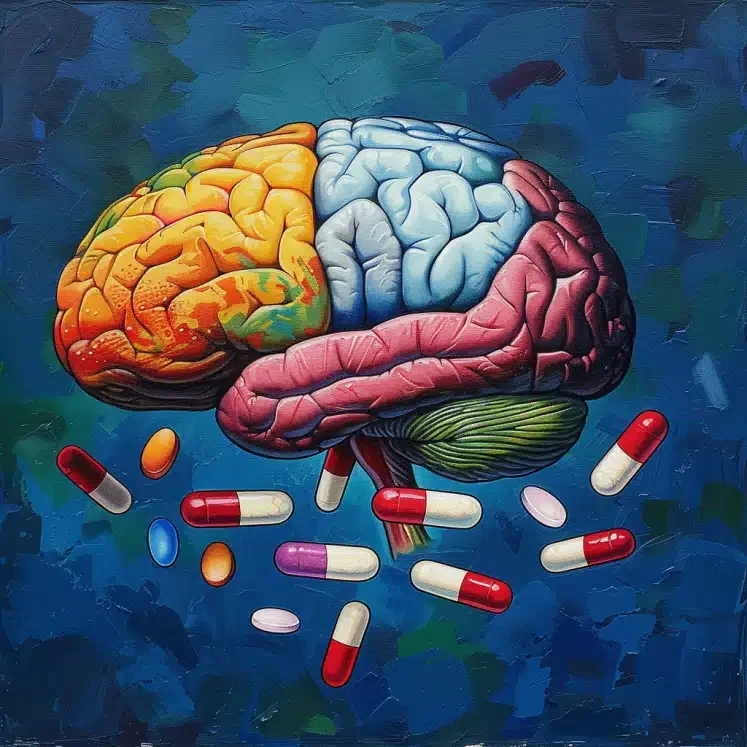
Antidepressant treatment in OCD is linked to structural and functional brain changes, particularly in corticosubcortical areas, but these findings need further validation in larger, more homogeneous samples. Highlights: Antidepressant Use: Antidepressants, esp…
Read article ↗
Obsessive-compulsive disorder (OCD) is a chronic and debilitating mental health condition characterized by obsessive, anxiety-provoking thoughts and compulsive rituals aimed at reducing anxiety. Affecting 1-3% of adults worldwide, OCD often begins in childhood…
Read article ↗
Obsessive-compulsive disorder (OCD) is a complex neuropsychiatric illness impacting approximately 2% of the global population. The disorder is characterized by intrusive, irrational thoughts (obsessions) and repetitive behaviors (compulsions) that patients fee…
Read article ↗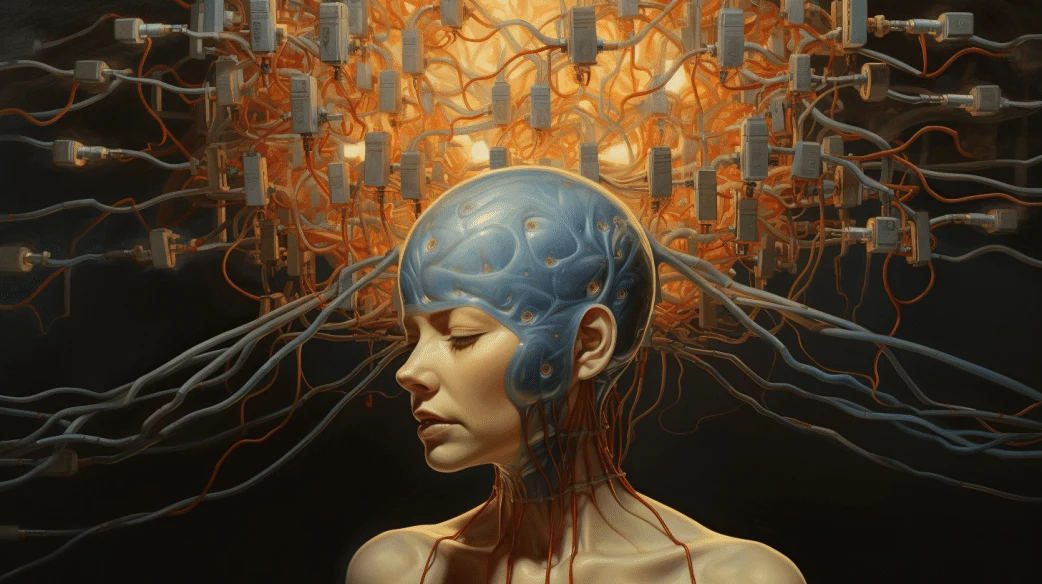
Obsessive-compulsive disorder (OCD) is a challenging psychiatric illness affecting 2% of the population. While some patients respond to therapy and medications, others continue to suffer from severe, treatment-resistant symptoms. Exciting new research shows th…
Read article ↗
Obsessive-compulsive disorder (OCD) is a chronic and often debilitating mental illness characterized by intrusive, irrational thoughts and repetitive behaviors. For patients with severe, treatment-resistant OCD, surgical ablation of problematic brain regions m…
Read article ↗
Deep brain stimulation (DBS) of a brain region called the ventral capsule/ventral striatum (VC/VS) may provide long-term relief for people with severe, treatment-resistant obsessive-compulsive disorder (OCD), according to a new retrospective study. Key finding…
Read article ↗