TL;DR: In 159 young adults, people whose eyes were drawn to reward cues rather than to the rewards themselves glanced first at alcohol images slightly more often than one comparison group, but not the other. They did not drink more, contrary to an earlier stud…
Read article ↗
TL;DR: A 2026 systematic review and meta-analysis in Molecular Psychiatry found that CB-1 receptor blockade and cannabidiol reduced alcohol intake in animal models, but human alcohol-use-disorder evidence remained inconsistent and too thin to support a treatme…
Read article ↗
TL;DR: A 2026 mouse study in Alcohol: Clinical and Experimental Research found that chronic intermittent ethanol plus repeated forced-swim stress left mice drinking more alcohol months later and impaired reversal learning in midlife, alongside locus coeruleus…
Read article ↗
TL;DR: A 2026 study in Brain, Behavior, & Immunity – Health found that depression symptoms, alcohol use, and alcohol use disorder (AUD) symptoms were not associated with C-reactive protein (CRP), a blood inflammation marker, or a pro-inflammatory cytokine inde…
Read article ↗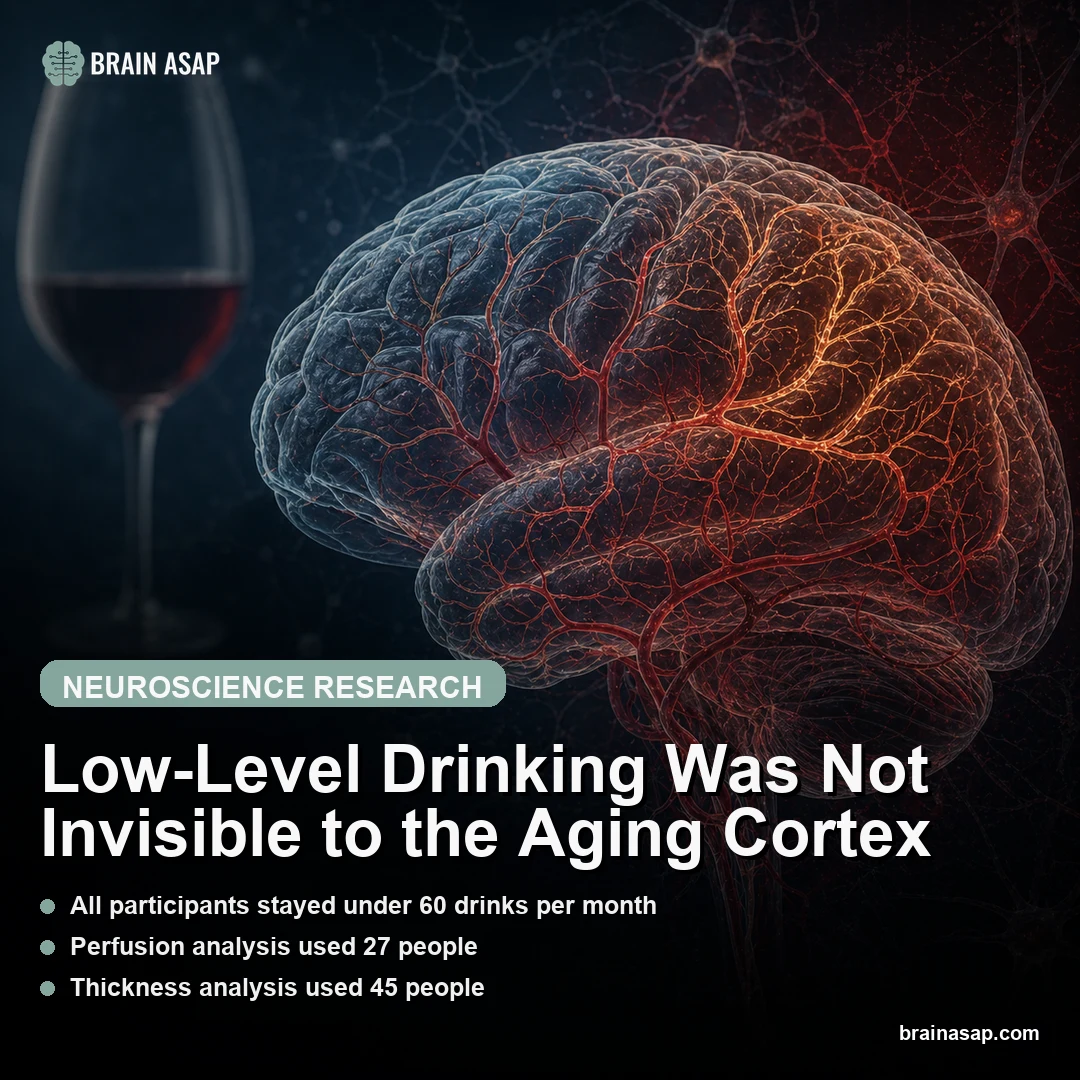
Low-Level Drinking Was Not Invisible to the Aging Cortex TL;DR: Even drinking within low-risk guidelines was linked to lower cortical blood flow and thinner cortex when lifetime exposure met advancing age. Key Findings All participants stayed under 60 drinks p…
Read article ↗
Moderate alcohol intake in men treated with SNRI antidepressants significantly increases the risk of depression relapse, according to a new study. Highlights: Risk Increase with SNRIs: Men with moderate alcohol consumption and elevated liver enzymes are signif…
Read article ↗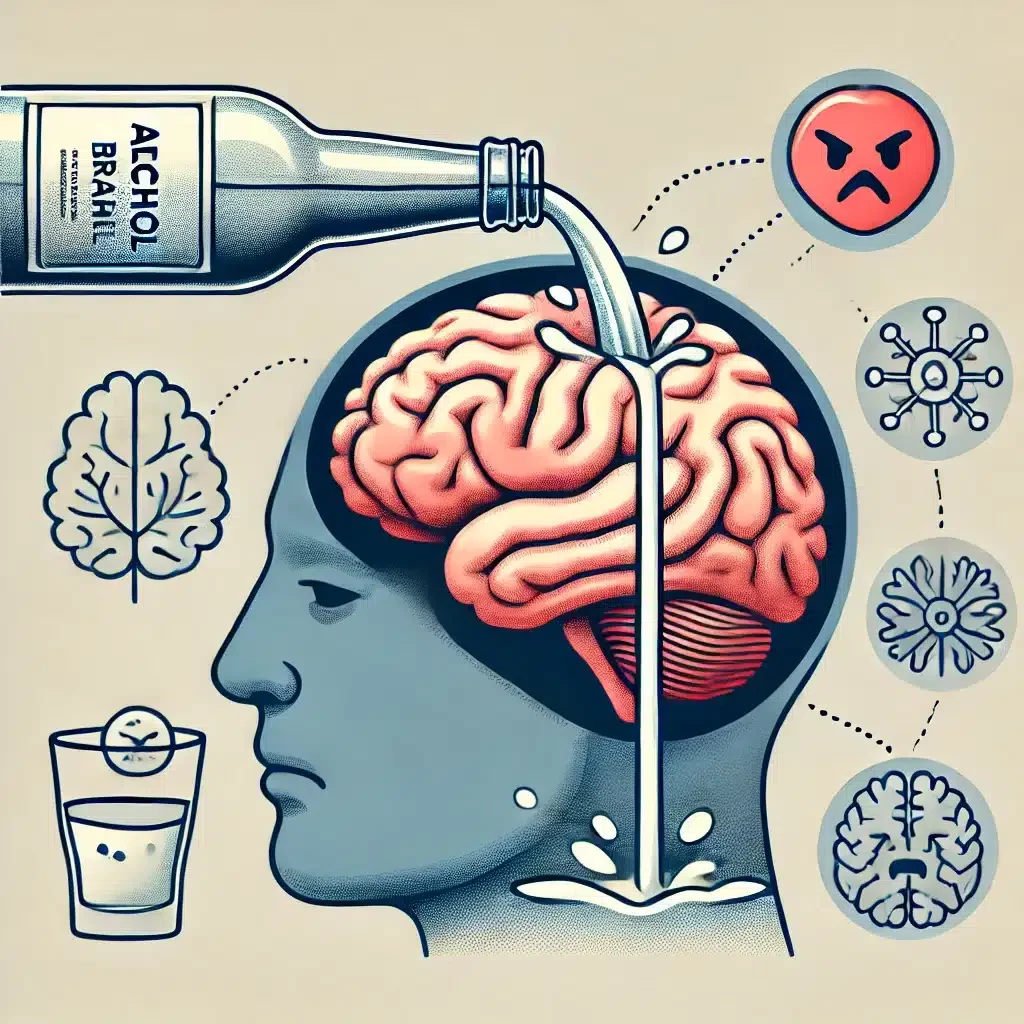
A study broke down Alcohol Use Disorder (AUD) into specific brain-related categories and identified key factors that can help understand and classify AUD more accurately. Higlights: Cravings & Insensitivity: The study identified two main factors related to alc…
Read article ↗
TLDR: Occasional drinking may help reduce the risk of major depression, but frequent drinking worsens it. Highlights: Occasional alcohol consumption is linked to a lower risk of major depression. Frequent alcohol intake increases the risk of major depression.…
Read article ↗
The FDA-approved diabetes drug semaglutide reduces alcohol drinking in mice and rats, suggesting it could be repurposed as an effective medication for alcohol use disorder (AUD). Key findings include: Semaglutide dose-dependently decreased binge-like drinking…
Read article ↗
Researchers have identified a powerful combination of drugs that may help treat alcoholism by reducing cravings and blocking relapse. The dual treatment virtually wiped out binge drinking and heavy drinking in an animal model of alcohol addiction. Key Facts: R…
Read article ↗