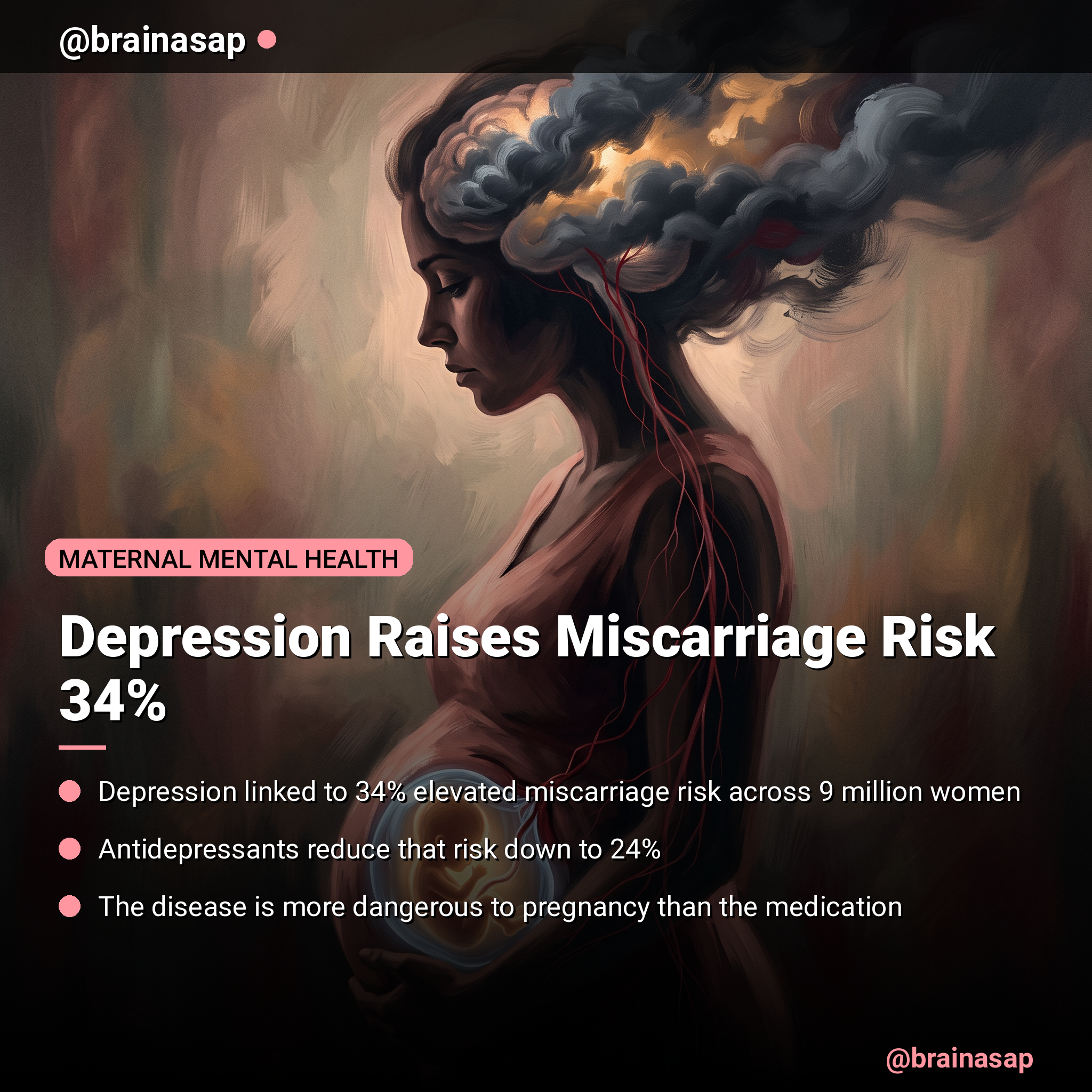
Depression vs. Miscarriage Risk: Untreated Depression Raises Risk by 34%

TL;DR: Untreated depression increases miscarriage risk by 34% across nearly 9 million women, but antidepressants reduce that risk to 24%—meaning the medication is safer than the disease during pregnancy. For decades, obstetricians have asked the wrong question about depression in pregnancy. They worried: Is the antidepressant dangerous? New data suggests a more sobering reality—the untreated …

Read more

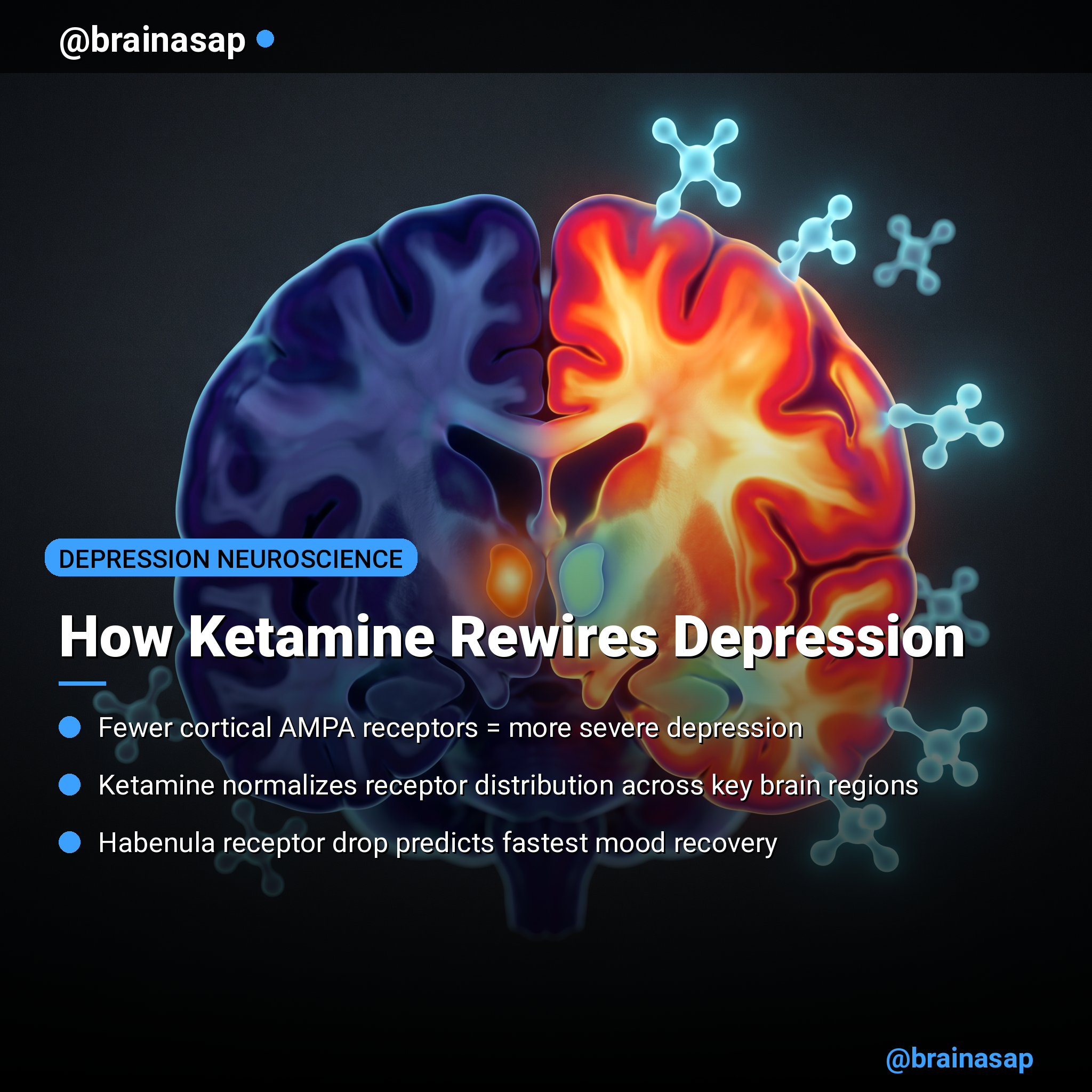
How Ketamine Rewires AMPA Receptors to Treat Depression: Molecular Observation in Humans

TL;DR: Using PET imaging to directly visualize AMPA receptors in the living human brain, researchers discovered that ketamine’s rapid antidepressant effect works by reshuffling these receptors across specific brain regions in patients with treatment-resistant depression — and where they go predicts who will respond to the drug. Nearly one in three people with depression fail …

Read more

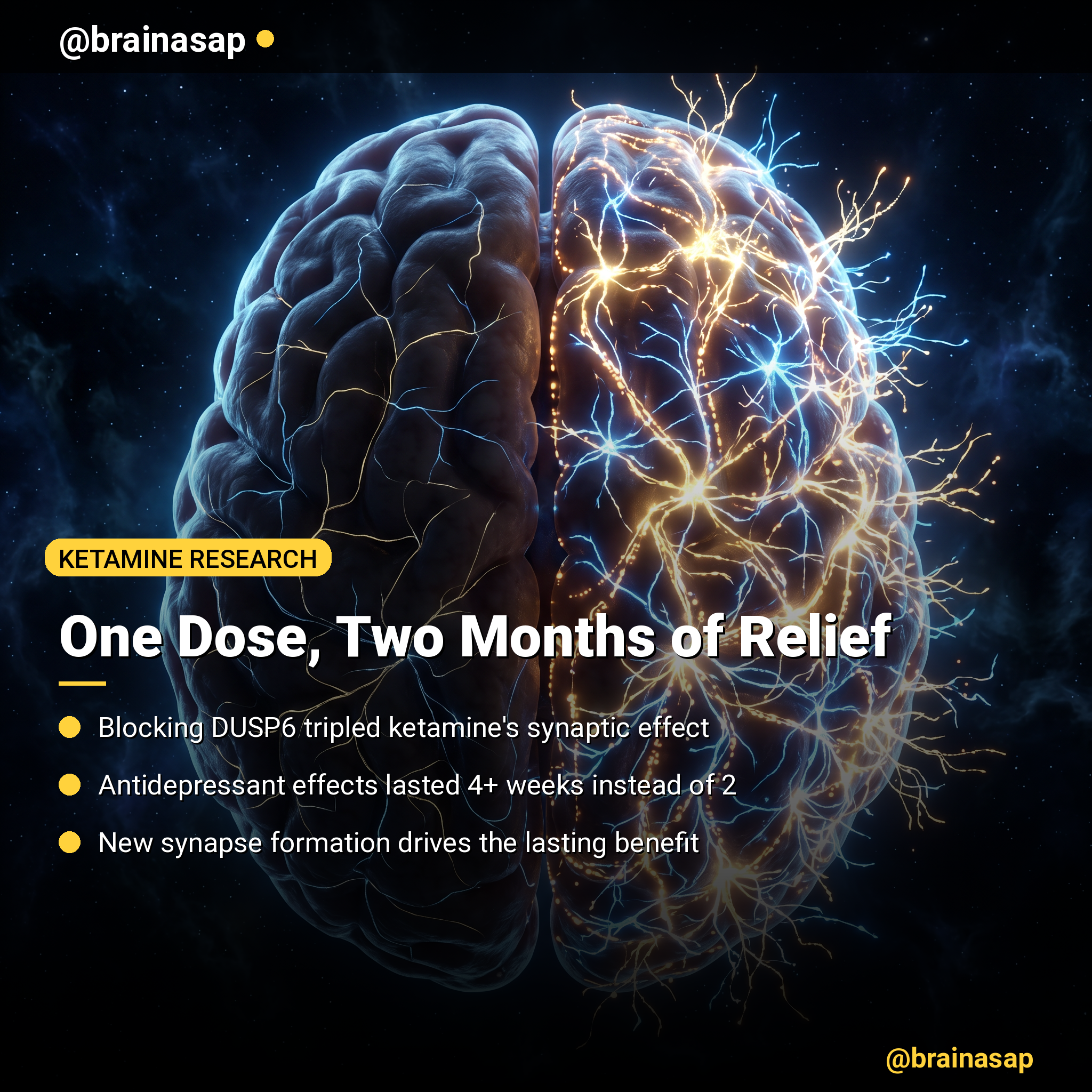
How Blocking DUSP6 Extends Ketamine’s Antidepressant Effect to Months

TL;DR: Blocking DUSP6 protein alongside ketamine extends antidepressant effects from 2 weeks to 4+ weeks in mice, potentially offering single-dose treatment instead of repeated infusions. Ketamine works like almost nothing else in psychiatry. A single infusion can lift severe depression within hours, even in patients who’ve failed every other drug. The problem? The magic doesn’t …

Read more

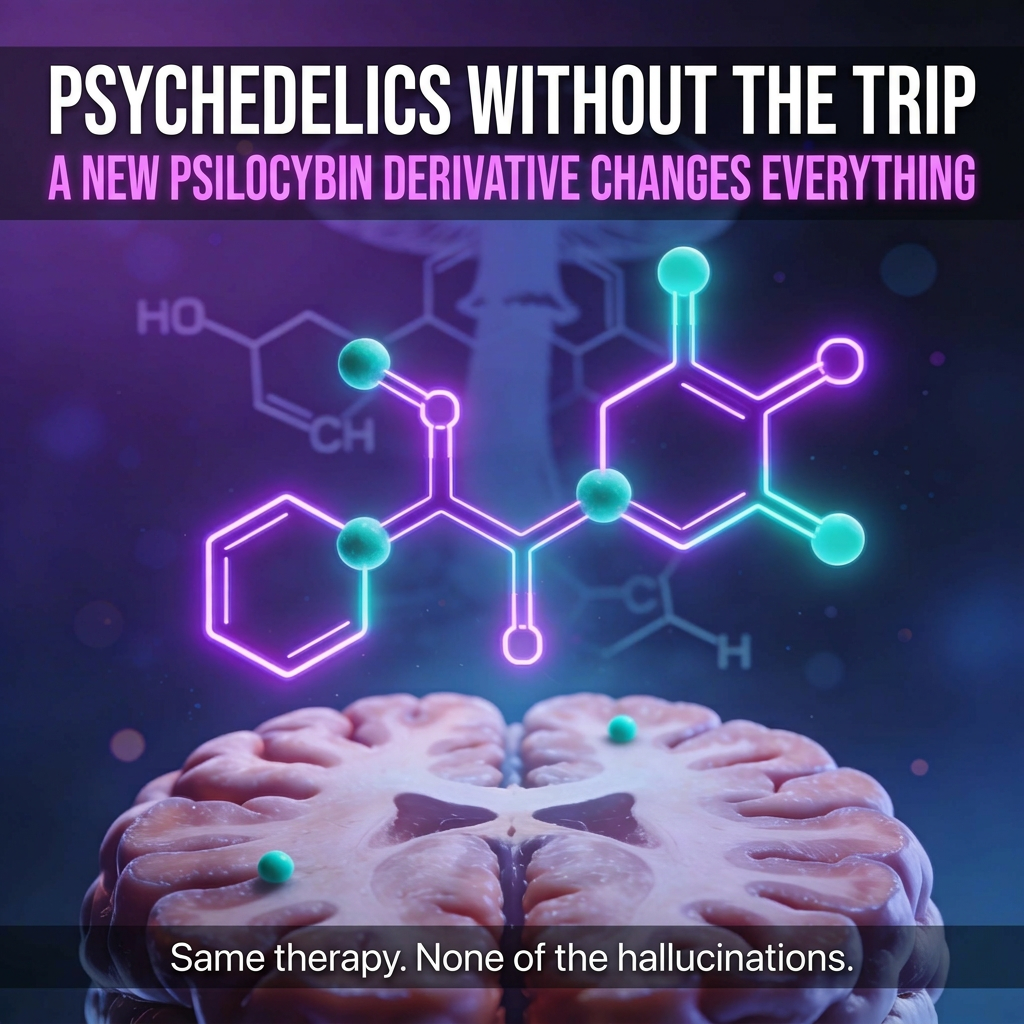
Fluorinated Psilocin Derivative Cuts Psychedelic Effects 75% While Preserving Antidepressant Activity

TL;DR: Chemists designed a new psilocin derivative with fluorine modifications that induces sub-hallucinogenic effects in mice, sidestepping the acute psychological effects of classic psychedelics while retaining therapeutic serotonin receptor activity. Psilocybin has emerged as a clinical darling—mounting evidence shows rapid relief for depression, anxiety, and cluster headaches. But there’s a catch: the intense hallucinations and …

Read more

Naltrexone Weakens Ketamine’s Antidepressant Effects, Revealing an Opioid-Dependent Mechanism

TL;DR: Blocking opioid receptors with naltrexone reduces ketamine’s antidepressant effect by 28%, suggesting the opioid system is essential for ketamine to work. Ketamine is one of psychiatry’s great paradoxes: a club drug and anesthetic that can lift severe depression within hours where conventional antidepressants fail over months. Yet the mechanism remains mysterious. Recent research suggests …

Read more

Antidepressant Efficacy vs. CYP2C19 & CYP2D6 Metabolism Genetics (2024 Review)

CYP2C19 poor metabolizers showed a nominally higher antidepressant remission rate compared to normal metabolizers, but overall genetic variations in CYP2C19 and CYP2D6 were not significantly associated with antidepressant response. Highlights: Higher Remission Rate: CYP2C19 poor metabolizers had a nominally higher remission rate (OR = 1.46) compared to normal metabolizers, but this did not hold after …

Read more

OCD Treatment with Antidepressants (SSRIs) Alters Brain Structure & Functions (2024 Study)

Antidepressant treatment in OCD is linked to structural and functional brain changes, particularly in corticosubcortical areas, but these findings need further validation in larger, more homogeneous samples. Highlights: Antidepressant Use: Antidepressants, especially SSRIs, are a primary treatment for OCD, resulting in significant brain changes. Brain Structure Changes: Studies show volume alterations in the thalamus, amygdala, …

Read more

Selegiline Reverses Anxiety & Memory Impairment in Amyloid Beta-Induced Alzheimers Model Rats (2024 Study)

The study demonstrated that selegiline (SEL) improves memory performance, reduces anxiety, and modulates oxidative stress in an Alzheimer’s disease (AD) rat model. Highlights: Memory Improvements: SEL administration improved recognition memory, spatial memory, and passive avoidance memory in AD rats. Anxiety Reduction: SEL significantly reduced anxiety-like behavior in AD rats, as evidenced by performance in the …

Read more

Ketamine Rapidly Reverses Suicidal Ideation & Severe Depression (2024 Meta-Analysis)

Ketamine significantly reduces suicidal ideation in depressed patients, with rapid effects observed within the first day of treatment. Highlights: Rapid Reduction: Ketamine shows a significant reduction in suicidal ideation within the first day of treatment (RR = 10.02, 95% CI = 4.24 to 23.68). Sustained Improvement: Repeated ketamine treatments result in a greater reduction of …

Read more

Repurposing General Anesthetic Drugs to Treat Depression: Ketamine, Nitrous Oxide, Propofol, Isoflurane (2024 Research)

Repurposing general anesthetic drugs like ketamine for the treatment of major depression represents a significant medical advancement – showcasing rapid and sustained antidepressant effects. Highlights: Rapid Antidepressant Effects: Ketamine, nitrous oxide, propofol, and isoflurane have shown rapid and sustained antidepressant properties, offering new treatment options for major depressive disorder and treatment-resistant depression. Mechanisms of Action: …

Read more