Dyslexia Risk Increases via Environmental Chemicals, Pollutants, & Genetic Interactions (2024 Study)
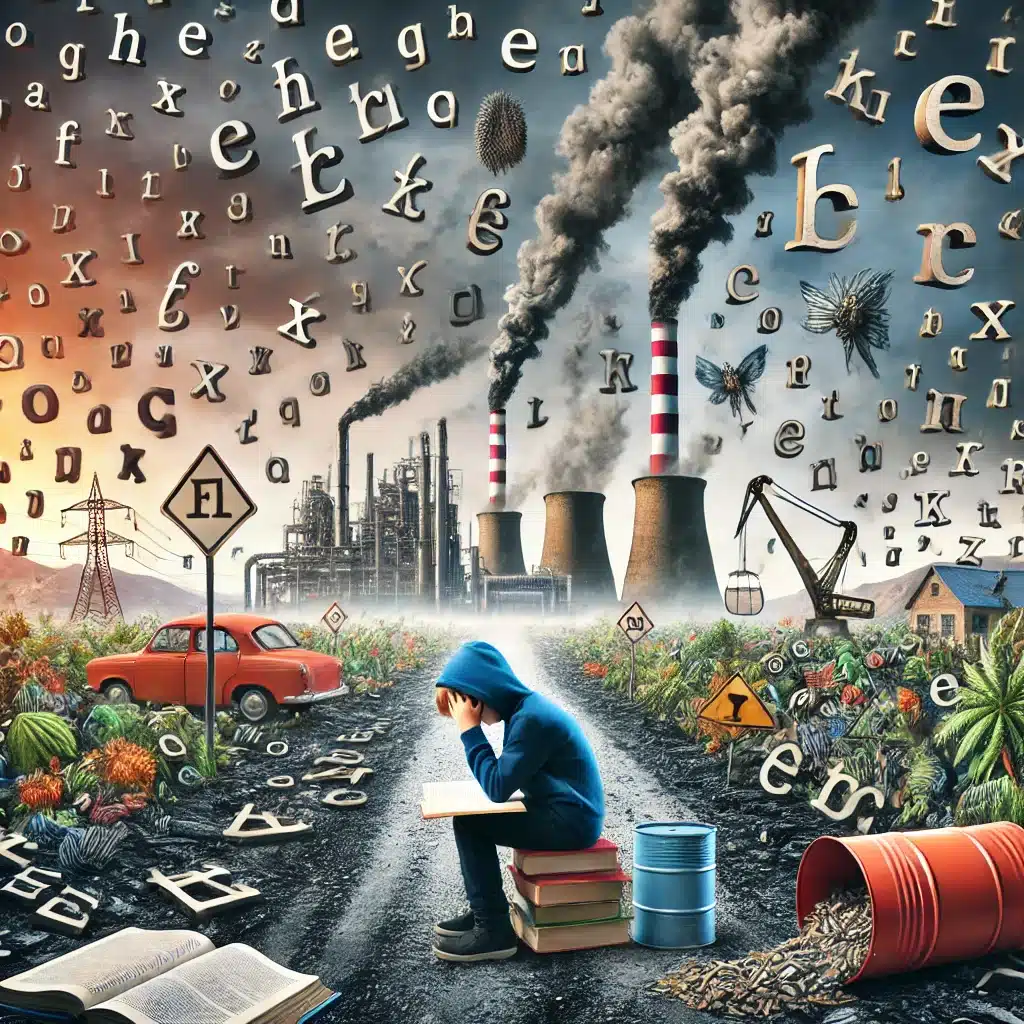
A study found significant overlaps between various environmental pollutants and dyslexia susceptibility genes, identifying associations with 35 out of 95 chemicals. This suggests that these chemicals may contribute to the development of dyslexia through interactions with specific genes. Highlights: Dyslexia Risk Genes & Chemicals: The study identified 131 dyslexia susceptibility genes and examined their interactions …
Read more

Pharmaceutical Contaminants in Drinking Water: Risks of Chronic Low-Dose Exposures

Wastewater from pharmaceutical plants and research facilities may contain concerning levels of toxic chemicals and drugs. As this water is often reused for irrigation or finds its way into drinking water, it poses significant public health risks that urgently need addressing. Key Facts: Wastewater can contain residues from thousands of different pharmaceuticals, including antibiotics, antidepressants, …

Read more

Dangers & Health Effects of Microplastics Exposure in Humans

Microplastics, the tiny plastic particles polluting our environment, are increasingly being linked to potential adverse health effects in humans. Here’s what you need to know about this emerging public health issue. Key Facts: Microplastics are plastic particles smaller than 5 mm that are widespread pollutants in the environment. They come from the breakdown of larger …

Read more
