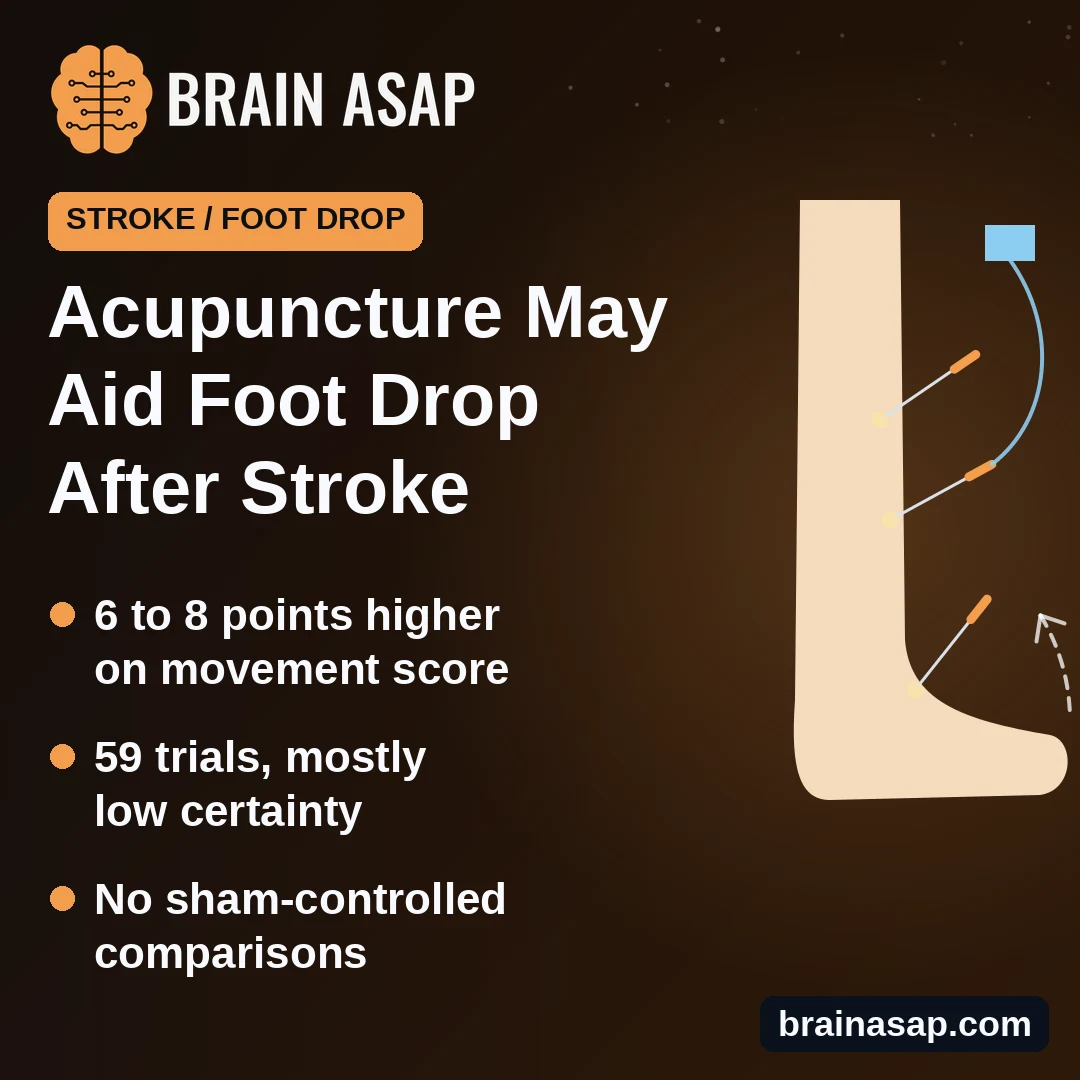
TL;DR: Pooling 59 trials, all from China, researchers found that adding acupuncture or electroacupuncture to standard rehab after a stroke was linked to better leg movement scores for people with foot drop. But the studies varied widely and many had quality pr…
Read article ↗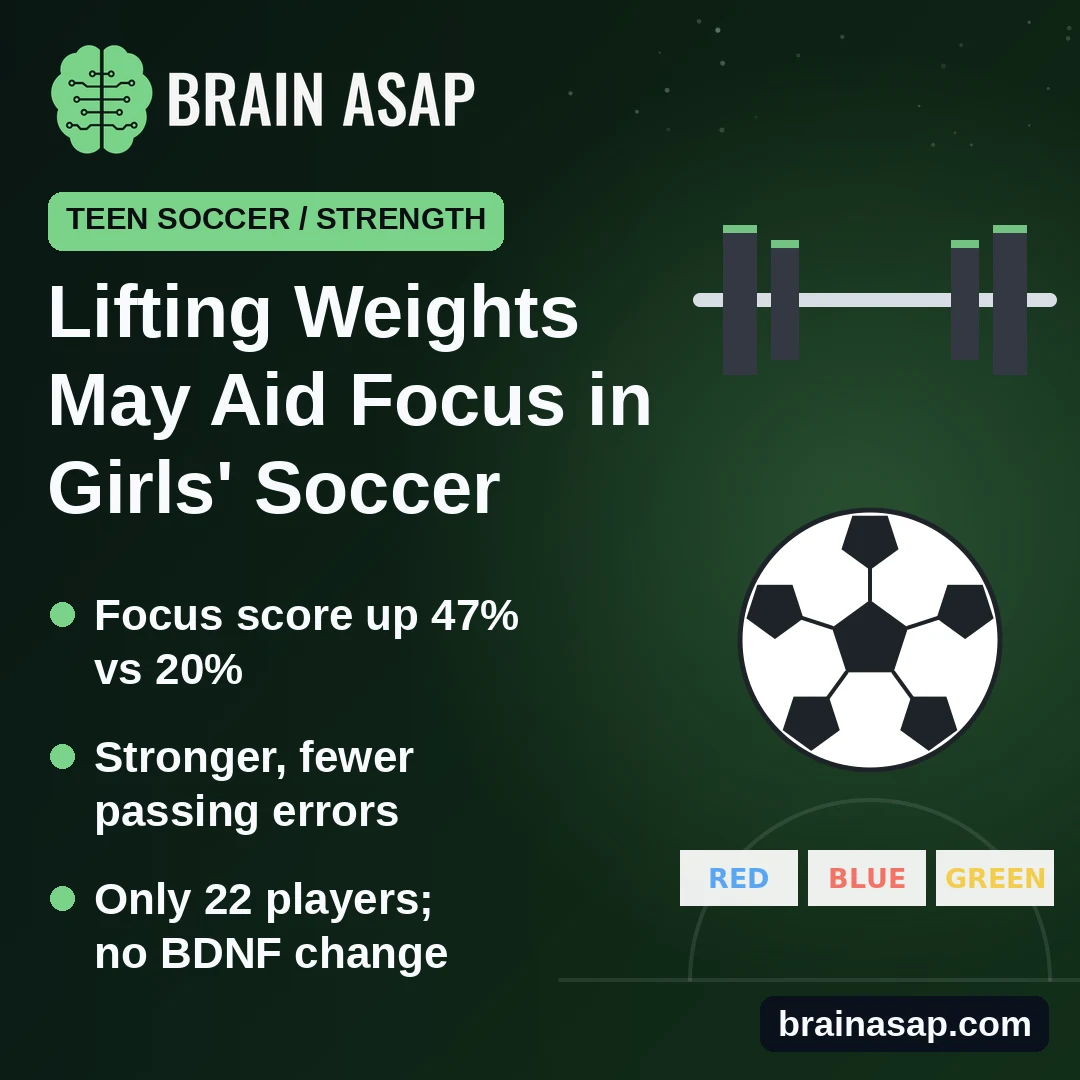
TL;DR: Teenage girls on a national youth soccer team who swapped two practices a week for weight training got stronger and did better on a classic focus test than teammates who kept their usual practice. Blood markers often linked to brain growth did not chang…
Read article ↗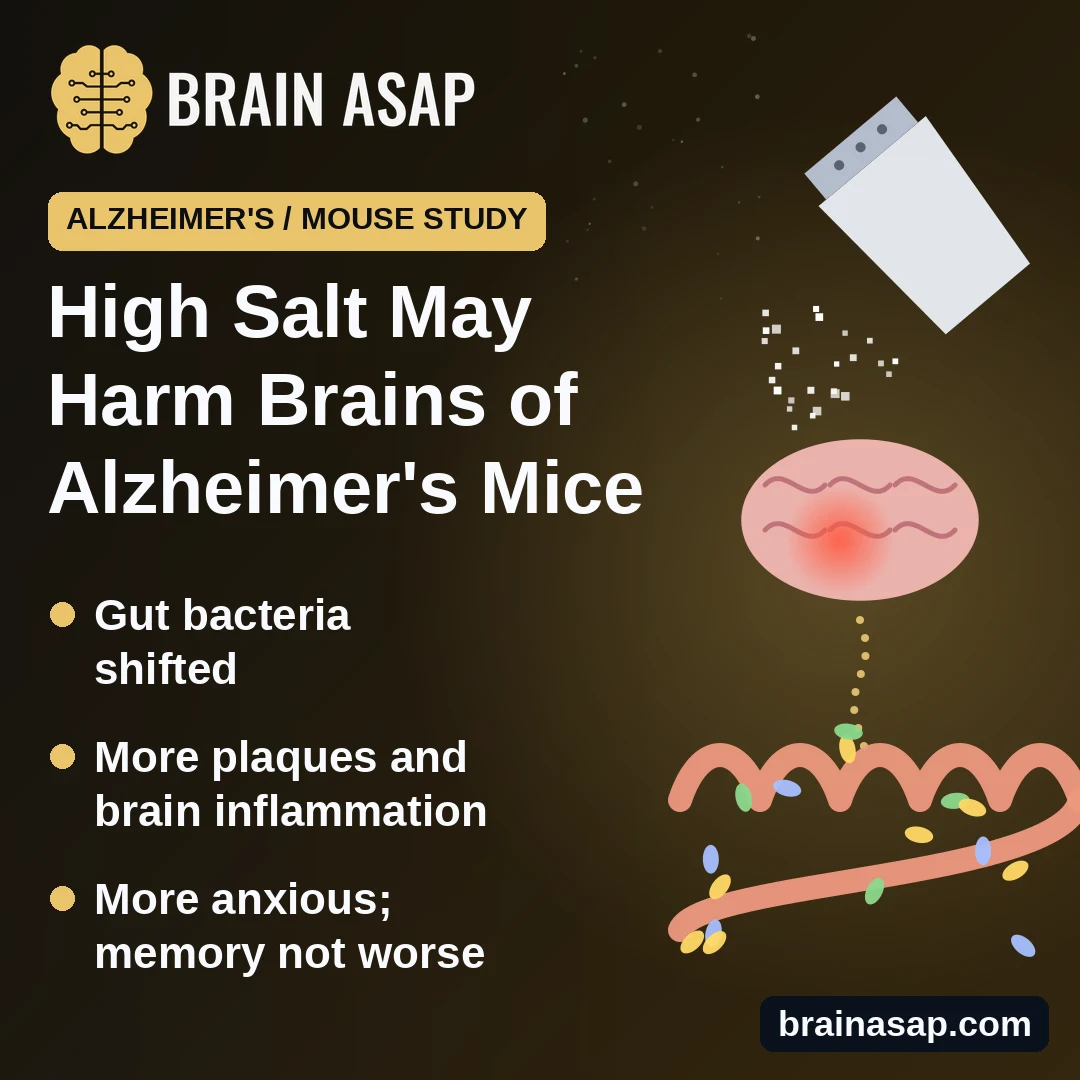
TL;DR: Alzheimer’s-model mice fed very salty chow for 6 months had altered gut bacteria, more brain inflammation and plaques, and more anxious behavior than mice on normal chow. It’s a mouse study, and the gut-to-brain link was not proven. Key Findings 8% vs 0…
Read article ↗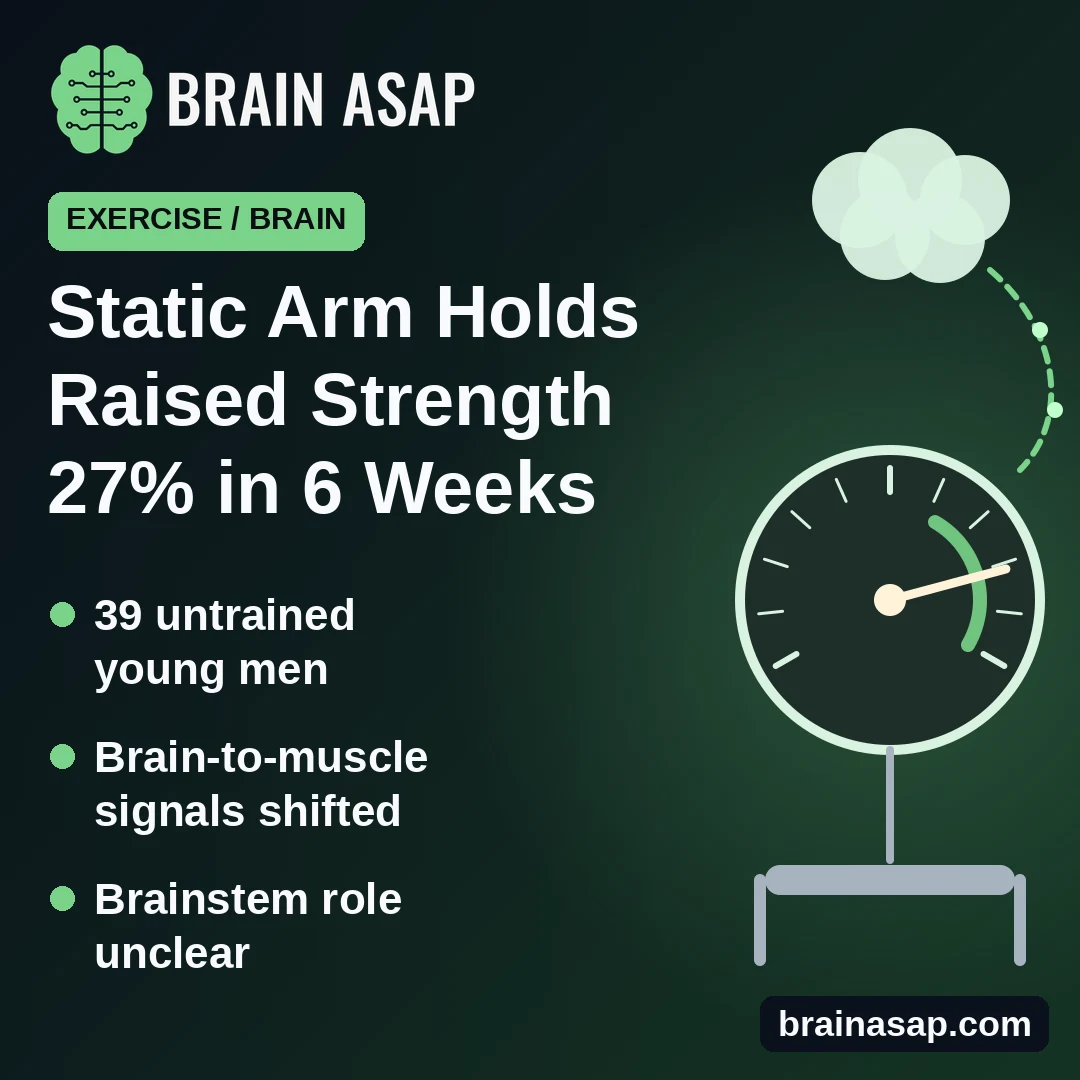
TL;DR: Six weeks of home “static hold” arm training made untrained young men about 27% stronger and increased how fast they built up force by about 60%. Brain-to-muscle signals changed too, but tests of a proposed brainstem pathway gave mixed results. Key Find…
Read article ↗
TL;DR: Pooling 20 small trials in Parkinson’s disease, structured exercise improved movement-exam scores, freezing while walking and one balance test compared with usual care. The strongest evidence was for the movement exam, and no one type of exercise stood…
Read article ↗
TL;DR: Across 27 trials in older adults with mild memory and thinking problems, tai chi and qigong classes lifted overall thinking scores by a moderate amount compared with no exercise. More weekly minutes were not always better, and the dosing patterns still…
Read article ↗
TL;DR: Across 24 studies of adults with depression, anxiety or stress, talk therapy built around getting back to work was linked to a modestly higher chance of fully returning. Its edge over other care for symptoms was small and faded by later follow-up. Key F…
Read article ↗
TL;DR: In 3 large birth studies covering 5.3 million children, kids whose mothers had type 1 or type 2 diabetes before pregnancy were about a third more likely to develop epilepsy. Diabetes that first appears during pregnancy showed no clear link, and none of…
Read article ↗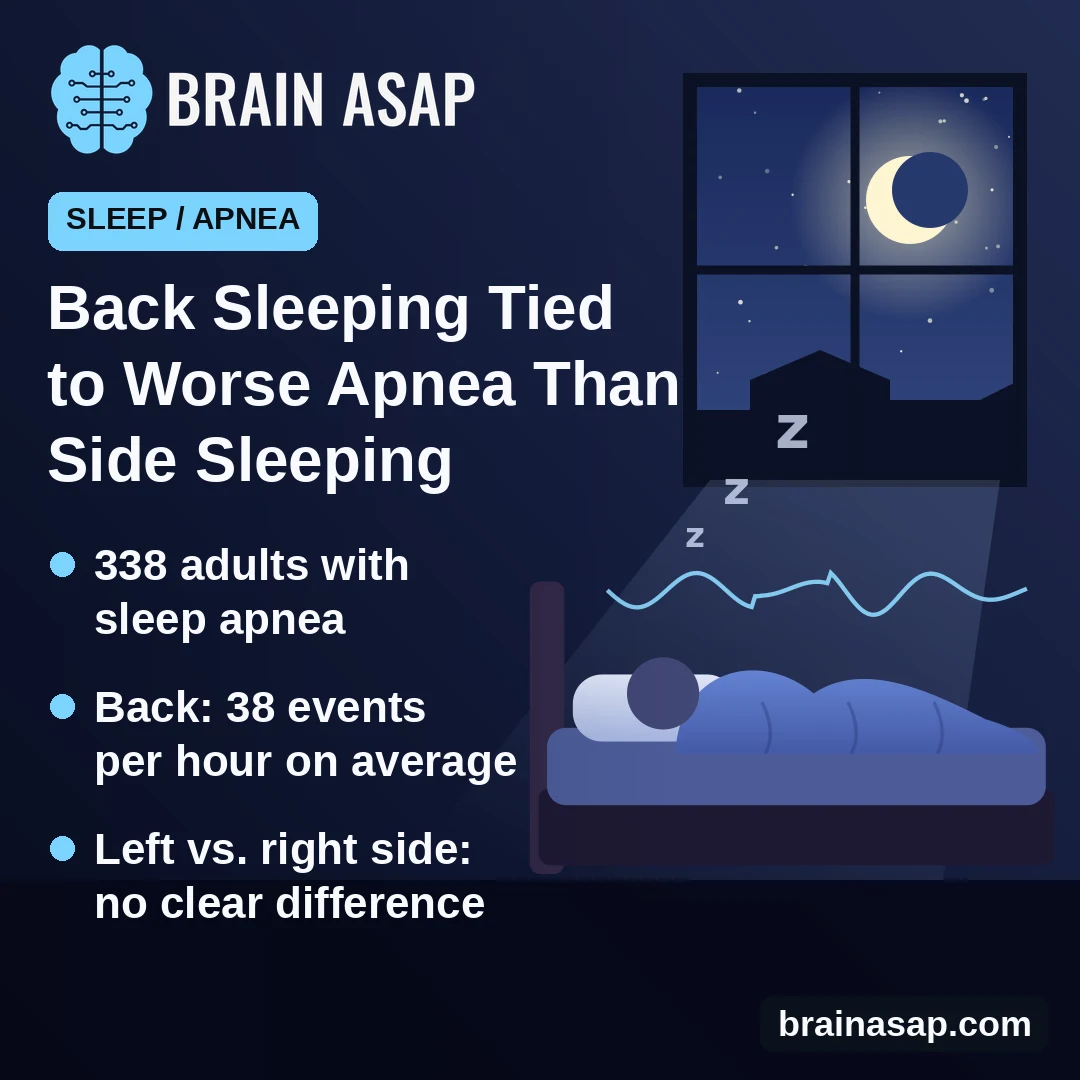
TL;DR: In 338 adults with sleep apnea, breathing events ran about 38 an hour on the back versus about 22 on either side. This past-records study shows a link, not that changing position helps. Key Findings Back sleeping worst: Among people who spent over 20% o…
Read article ↗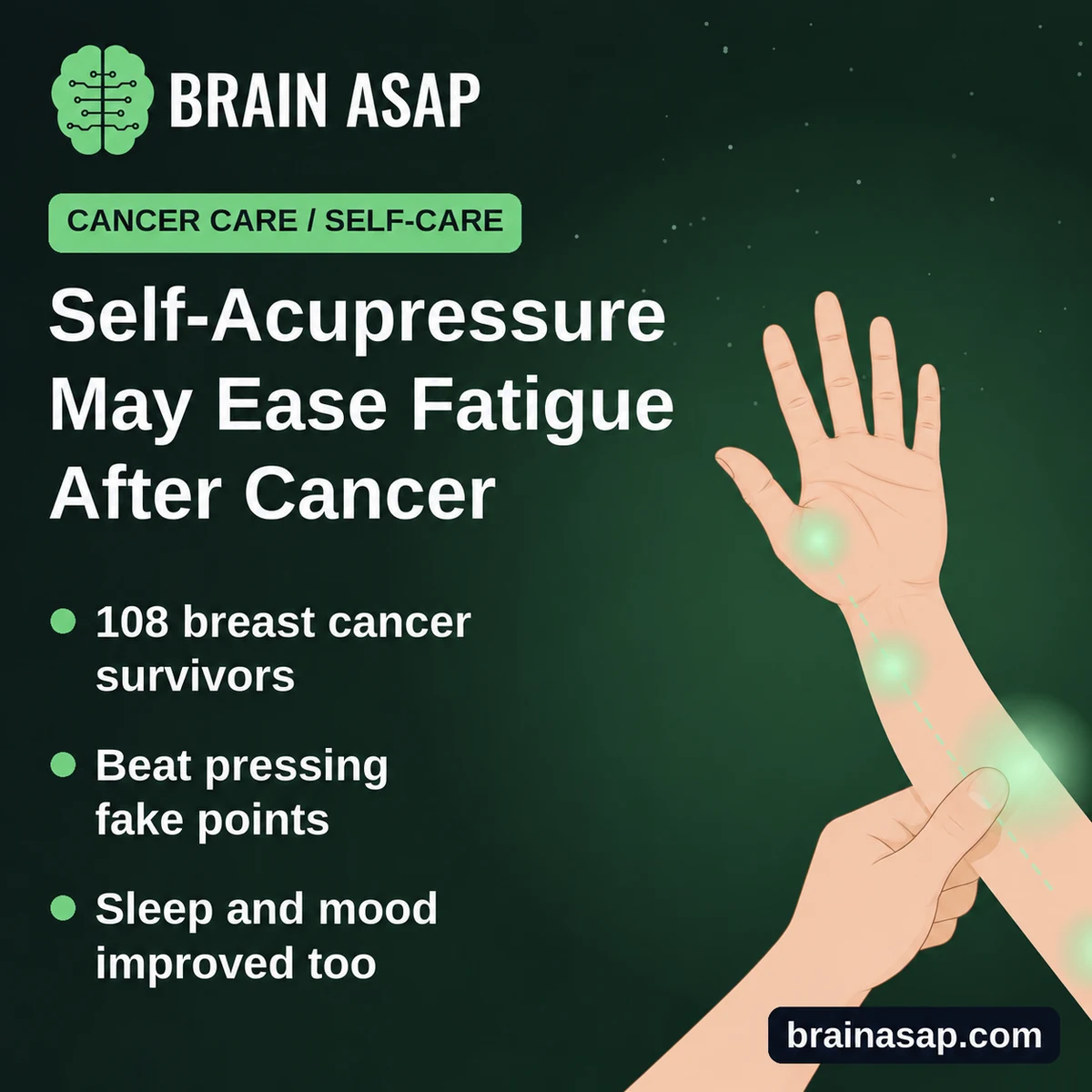
TL;DR: In a Chinese trial of 108 breast cancer survivors, 7 weeks of daily self-acupressure eased a combined score for fatigue, poor sleep and low mood more than pressing fake points or usual care. The gains held 12 weeks later, though all results were self-re…
Read article ↗