
Lecanemab shows promise in treating Alzheimer’s disease by reducing clinical deterioration and amyloid-beta plaques, but it has significant adverse effects and requires further research for confirmation. Highlights: FDA Approval: The US FDA authorized lecanema…
Read article ↗
TLDR: GLP-1 agonists were found to significantly reduce the risk of dementia in older individuals with type 2 diabetes mellitus (T2DM) compared to DPP-4 inhibitors and sulfonylureas. Highlights: A sequential trial emulation was conducted using data from Swedis…
Read article ↗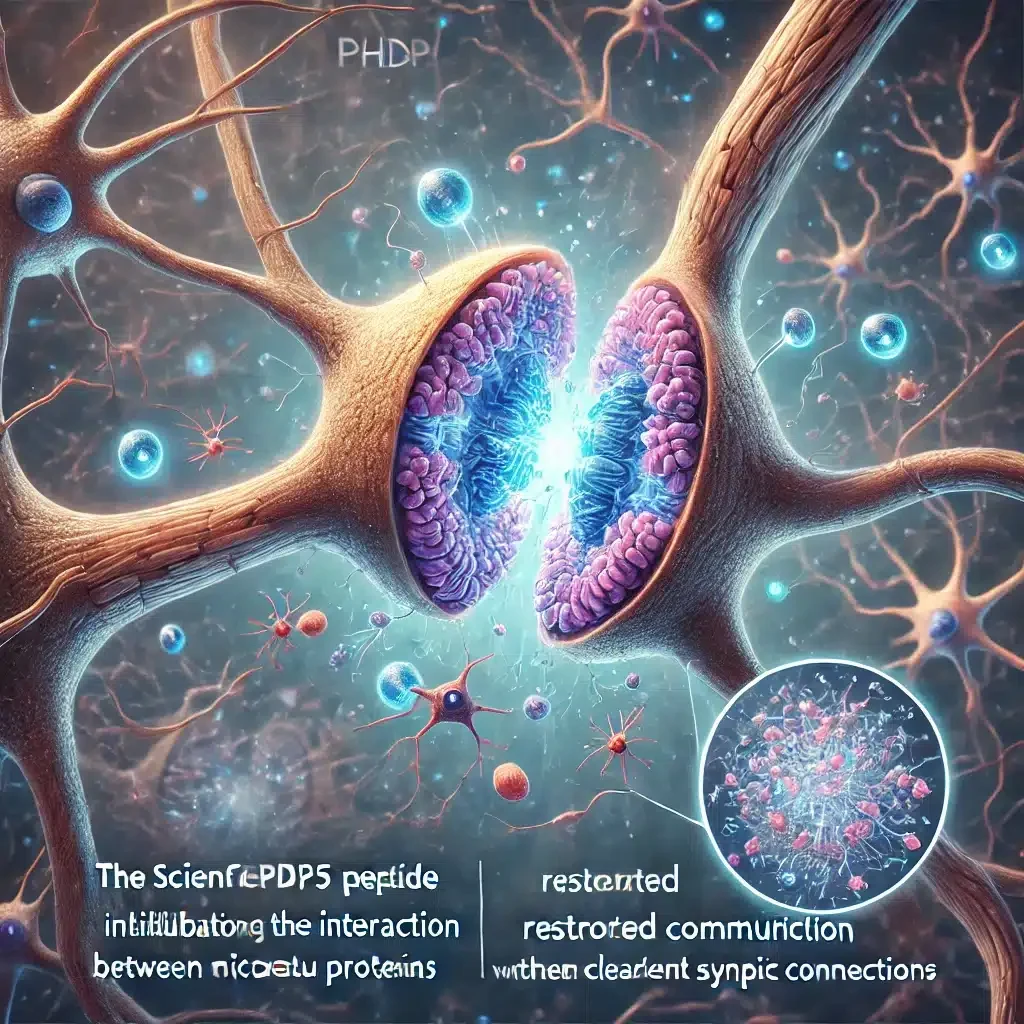
TLDR: Researchers demonstrated that intranasal administration of the peptide FITC-PHDP5-CPP reverses early cognitive impairment in Alzheimer’s disease (AD) model mice, showing potential as a treatment for AD-associated cognitive decline. Highlights: PHDP5, der…
Read article ↗
TLDR: This study provides evidence that high salt intake is causally associated with an increased risk of developing dementia, including Alzheimer’s disease (AD) and undefined dementia. Highlights: Causal Association: High salt intake is significantly associat…
Read article ↗
Alzheimer’s disease continues to destroy minds, but new gene editing techniques like CRISPR offer hope for better understanding and treating this devastating illness. Key Facts: Alzheimer’s disease is a complex, poorly understood neurodegenerative disorder aff…
Read article ↗
Alzheimer’s disease (AD) is a growing global health concern, but current drug therapies have shown limited effectiveness for symptom management and disease modification. Medium chain triglycerides (MCTs) have emerged as a potential nutritional therapy, but evi…
Read article ↗
A new drug recently approved for Alzheimer’s disease aims to treat the underlying cause of the condition by removing amyloid plaques in the brain. Though promising, the drug called aducanumab also comes with potential side effects that require careful monitori…
Read article ↗
Researchers have uncovered an important new mechanism that causes inflammation and damage to the brain’s white matter in Alzheimer’s disease. This discovery about how brain cells called microglia die could lead to new Alzheimer’s treatments. Key Facts: The stu…
Read article ↗
A new large genetics study has discovered new clues into how levels of a protein called apolipoprotein E (ApoE) in the blood may influence a person’s risk of developing Alzheimer’s disease. Key facts: Researchers found 9 new genetic variants that influence Apo…
Read article ↗
Summary: A new study reveals how certain genes and education levels impact Alzheimer’s disease risk, even in individuals destined to develop dementia. Key facts: The APOE gene influences Alzheimer’s onset in people with a genetic mutation causing early-onset A…
Read article ↗