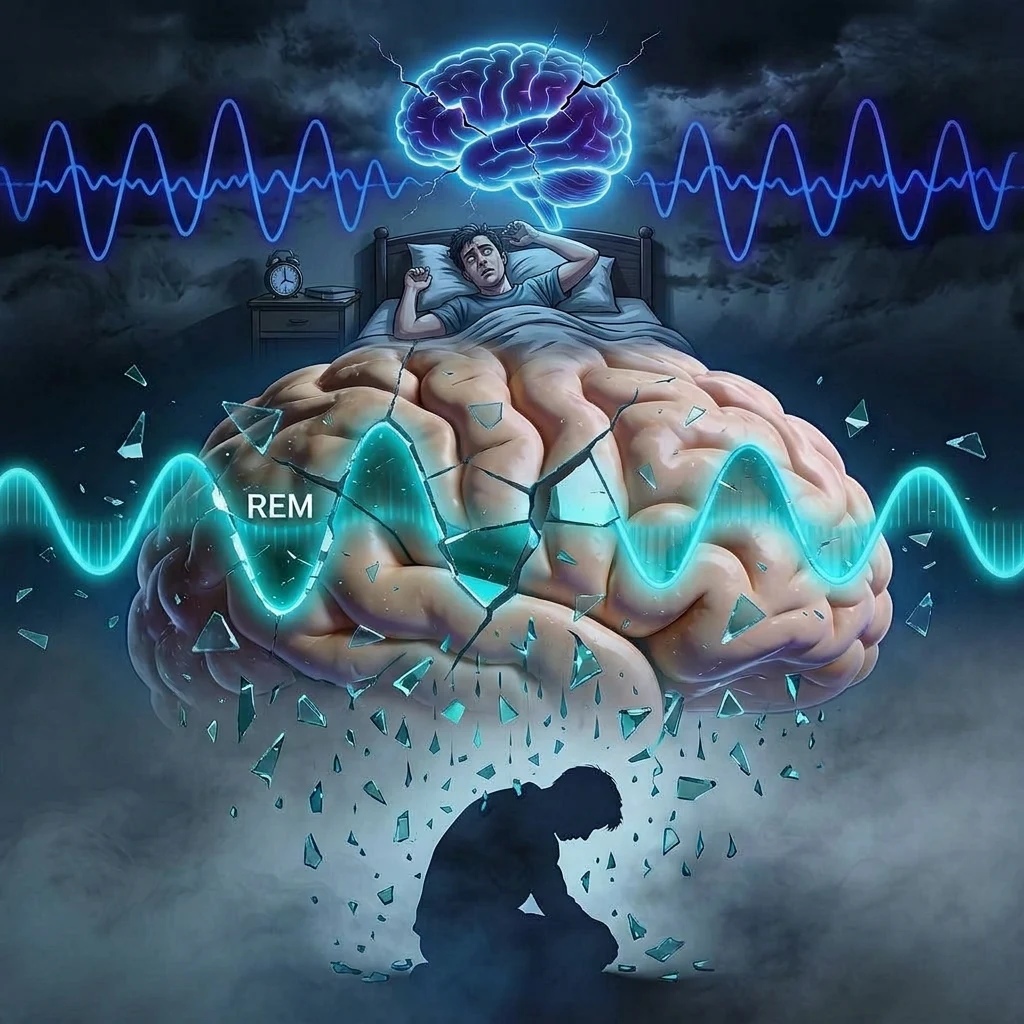
The Brain That Won’t Shut Down: How Fragmented REM Sleep Breeds Depression TL;DR: Chronic insomnia fragments REM sleep through persistent hyperarousal, preventing emotional memory consolidation and creating a vicious cycle that breeds depression—but cognitive-…
Read article ↗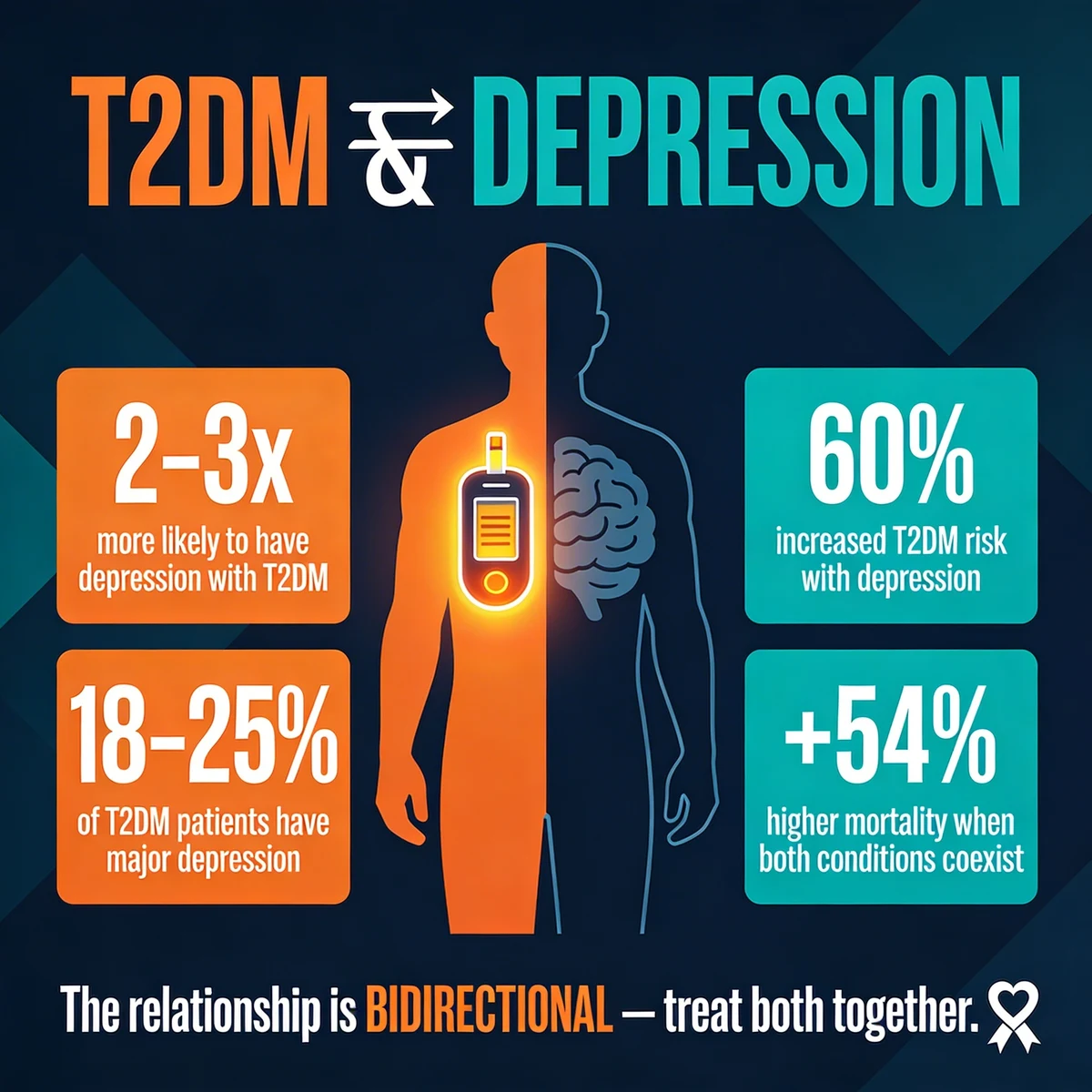
Diabetes and Depression Are Not Just Comorbidities—They Drive Each Other TL;DR: Diabetes and depression form a vicious cycle: high blood sugar triggers neuroinflammation and HPA axis dysfunction that cause depression, while depression sabotages blood sugar con…
Read article ↗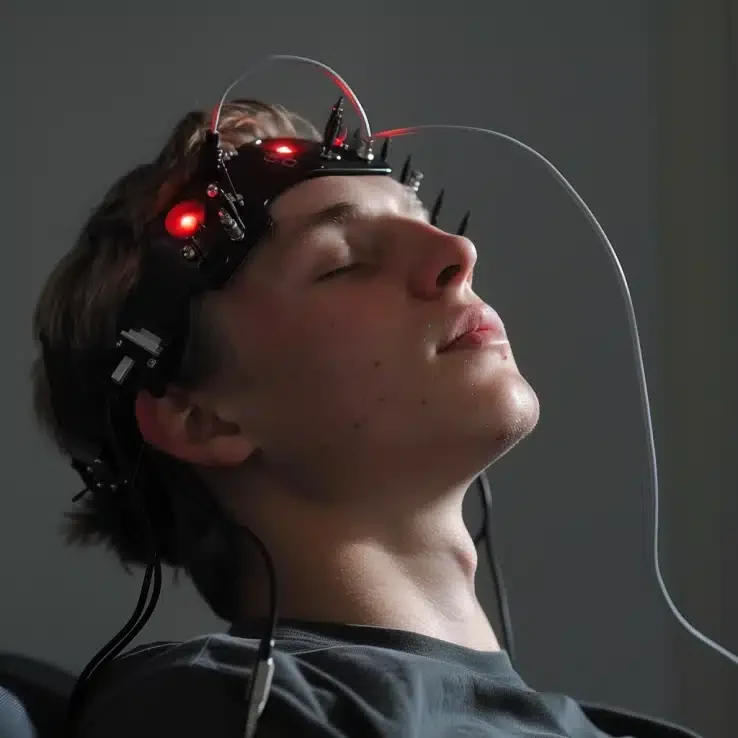
Transcranial direct current stimulation (tDCS) targeting the left dorsolateral prefrontal cortex (DLPFC) at 2-mA intensity effectively alleviates depressive symptoms and shows promise in reducing anxiety symptoms across various clinical conditions. Highlights:…
Read article ↗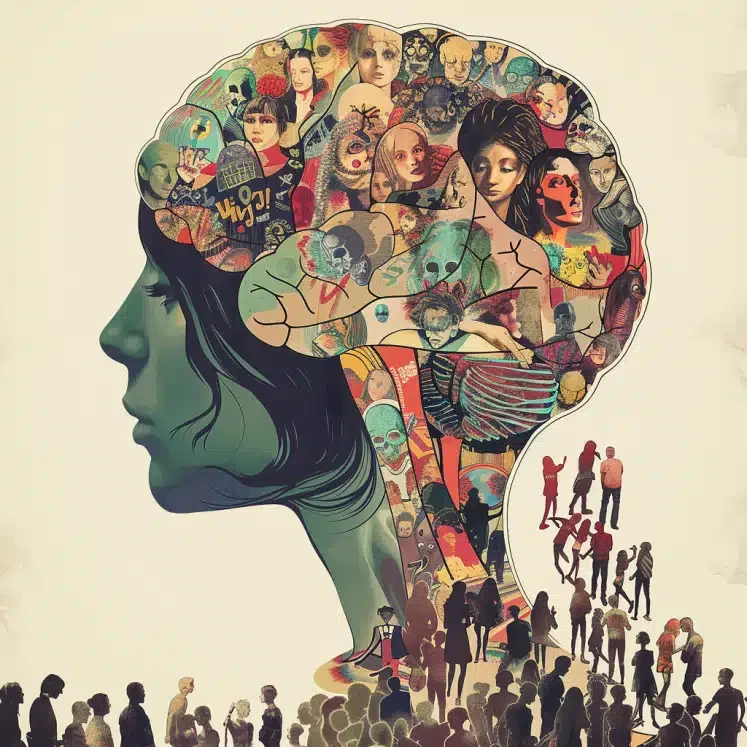
The study found that patients with social anxiety disorder (SAD) exhibit distinct structural brain alterations, including cortical thickening and thinning in specific regions, which fit into existing neurocircuitry models of the disorder. Highlights: Cortical…
Read article ↗
TLDR: Omega-3 supplementation shows potential for reducing anxiety symptoms, with the most significant improvement at a dose of 2 grams per day. Highlights: Dose-Dependent Effect: Each 1 gram per day of omega-3 supplementation led to a moderate decrease in anx…
Read article ↗
TLDR: A study in the UK found that severe COVID anxiety tends to decrease over 6 months from onset, both organically and with the help of CBT for Health Anxiety (CBT-HA), though many individuals still experience significant anxiety and poor social functioning,…
Read article ↗
New research finds that regular running is just as effective as antidepressants for treating depression and anxiety, and leads to better physical health outcomes. Key Facts: In a study of 141 patients, running therapy and antidepressant medication had comparab…
Read article ↗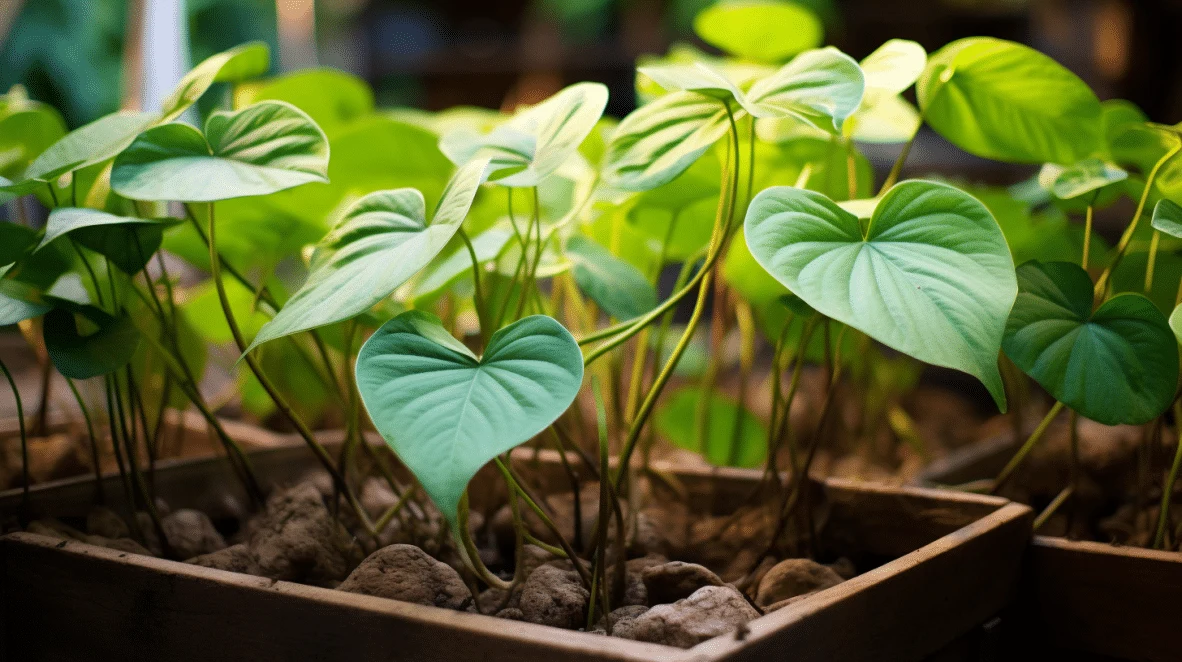
Kava kava, an herbal supplement made from the root of Piper methysticum, has gained popularity as an alternative treatment for anxiety and insomnia. A recent systematic review and meta-analysis re-examined kava kava’s effectiveness and safety for anxiety disor…
Read article ↗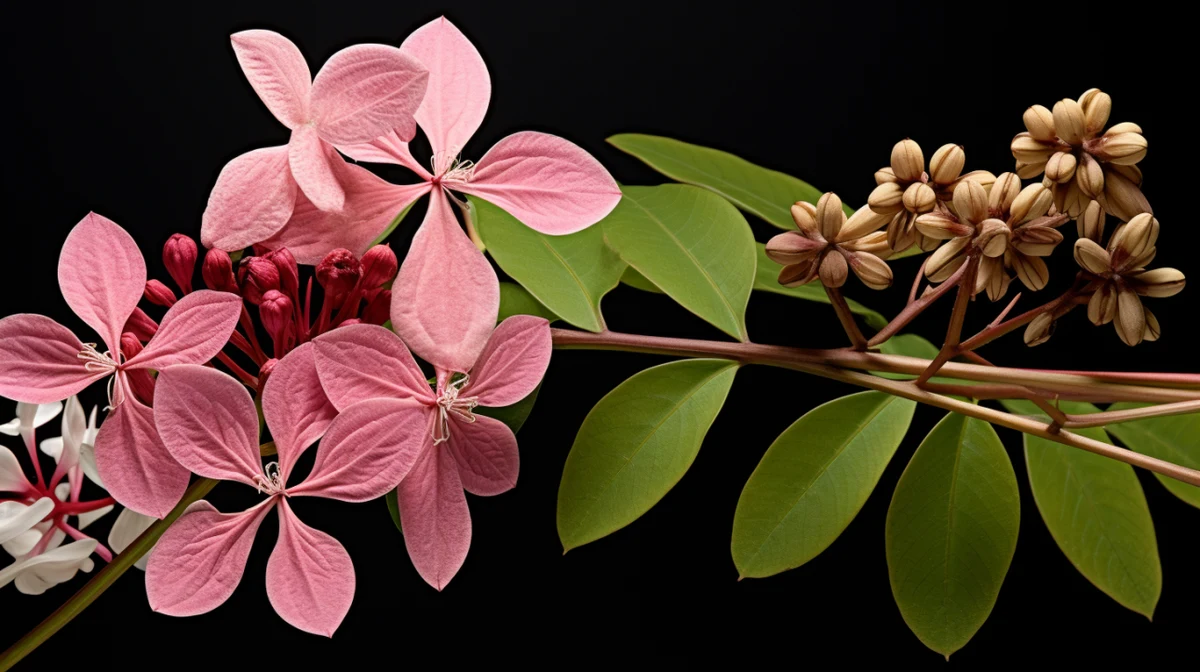
A new pilot study investigates using kava and valerian, two herbal remedies, to treat stress-induced insomnia. Key Facts: 24 patients with stress-induced insomnia took part in the 6-month crossover study. All patients took kava for 6 weeks, then valerian for 6…
Read article ↗
Chamomile, a popular herbal tea, has frequently been associated with benefits for relaxation and sleep. A new systematic review and meta-analysis published in Phytotherapy Research comprehensively analyzes the clinical research on chamomile for anxiety, insomn…
Read article ↗