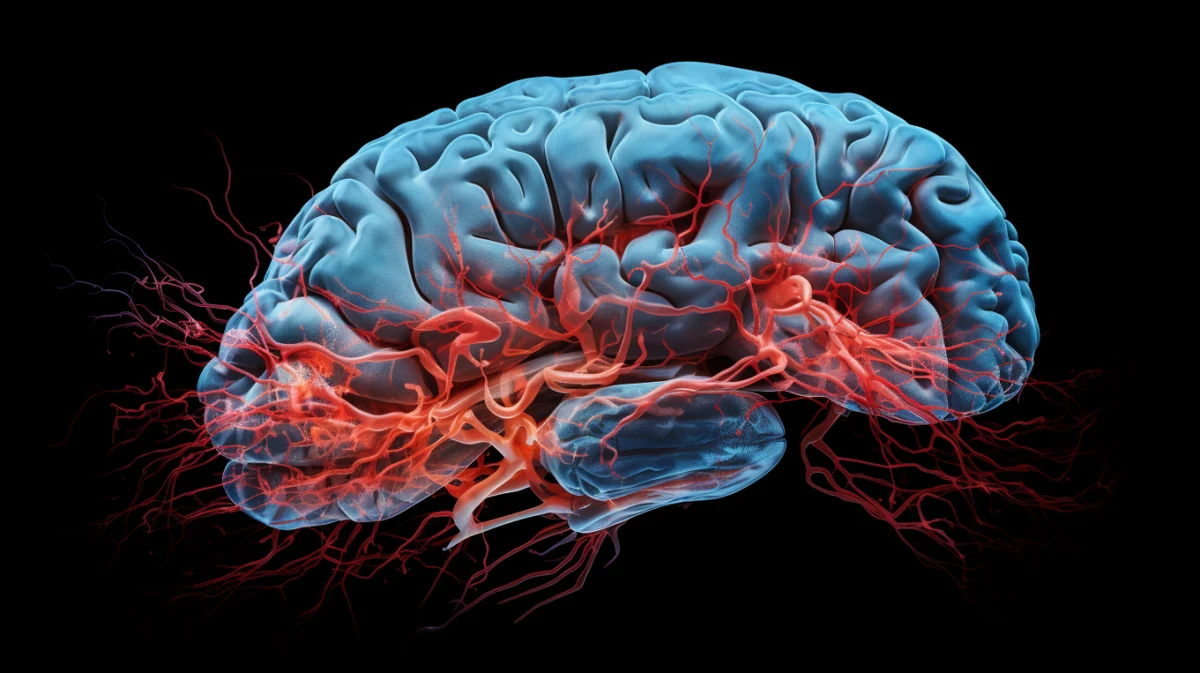
Social anxiety disorder (SAD), one of the most common anxiety disorders, is characterized by an intense fear of social situations. A new brain imaging study provides evidence that SAD is associated with an overactive serotonin system. Key Takeaways: Using PET…
Read article ↗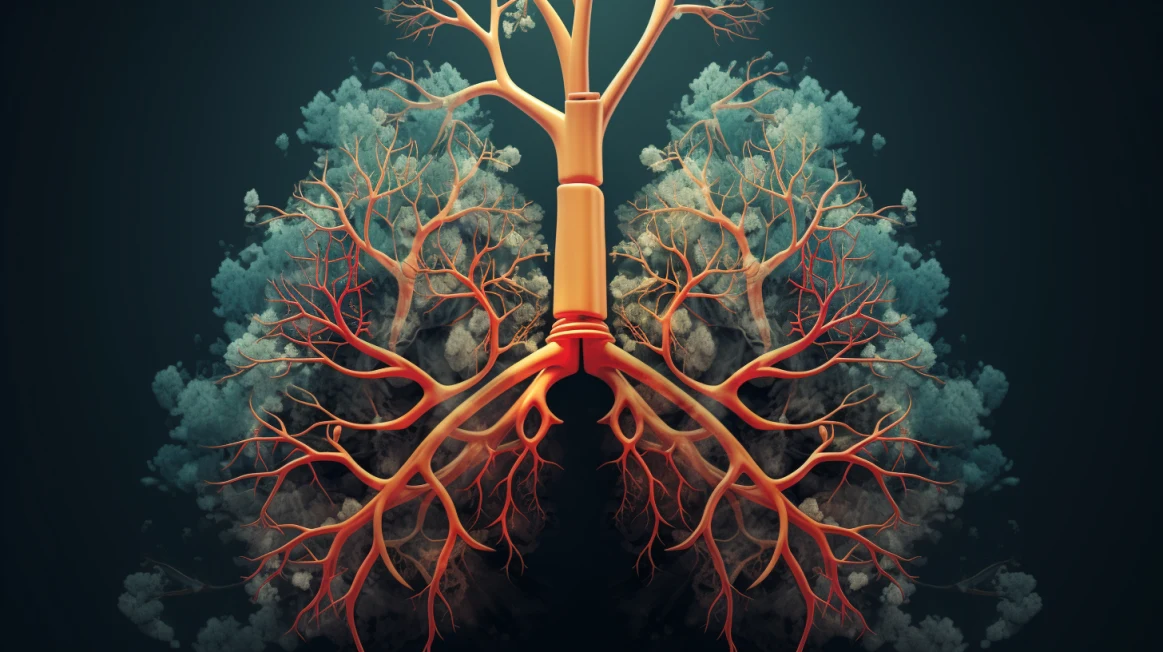
A new study reveals important connections between lingering lung damage after COVID-19 and mental health issues like anxiety and depression. The research also demonstrates that simple at-home breathing exercises can improve both lung function and mood. Key fac…
Read article ↗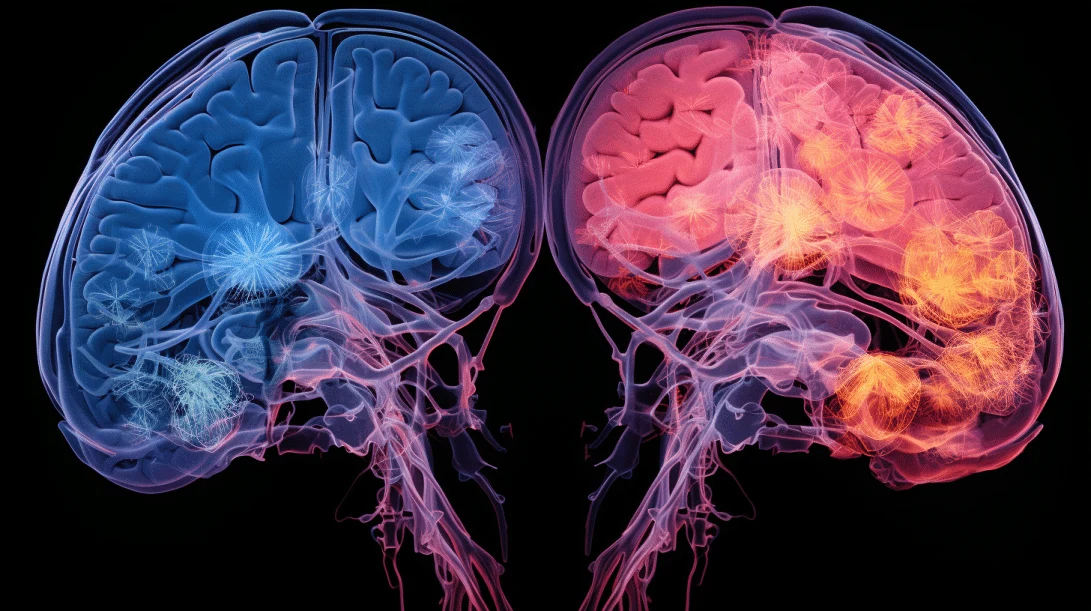
Research provides new evidence that generalized anxiety disorder (GAD) and depressive disorder (DD) have distinct patterns of brain activity. Machine learning analysis of EEG data reveals signature brain features that may enable more accurate diagnosis. Key Fa…
Read article ↗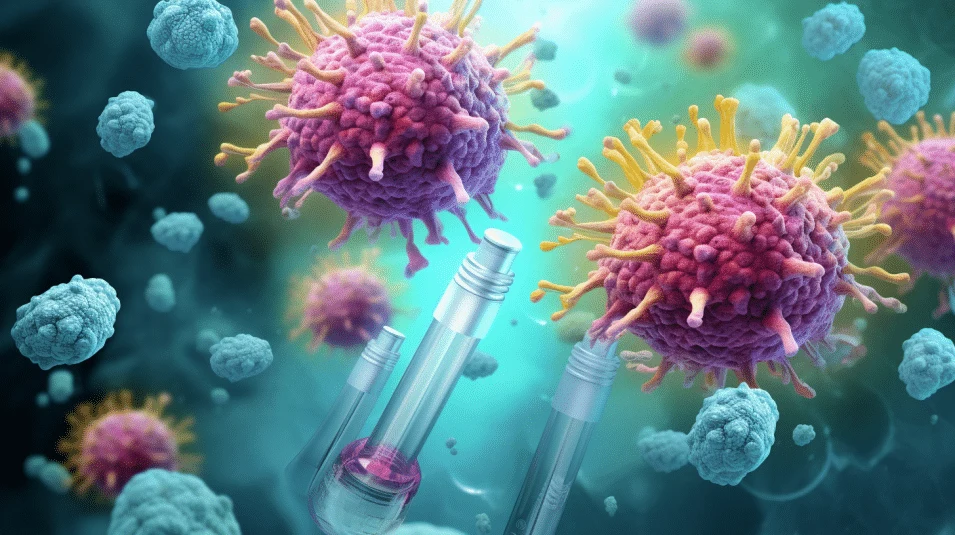
Researchers have discovered that a common soil bacterium called Mycobacterium vaccae (M. vaccae) may help reduce stress, anxiety, and inflammation in the brain. Key Facts: M. vaccae is a naturally occurring bacterium found in soil, mud, and water. It is consid…
Read article ↗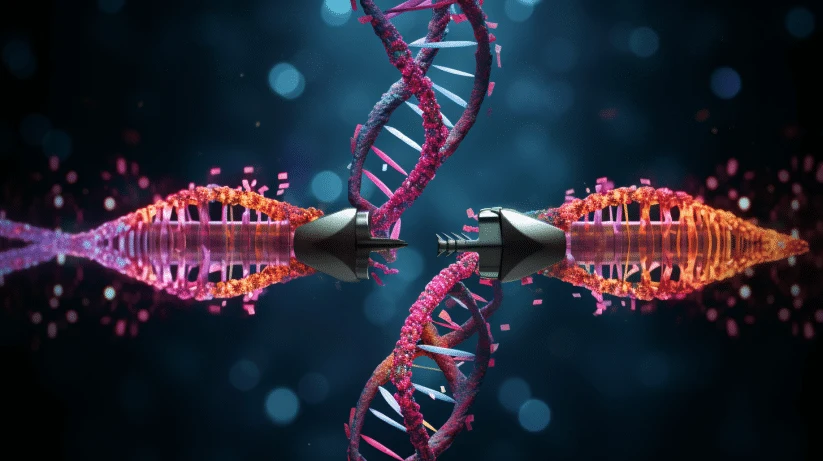
Researchers developed a new gene editing technique that reduces anxiety in mice. The technique uses CRISPR technology to edit a specific gene in the brain called HTR2A. Editing this gene leads to lower levels of anxiety behaviors in tests with mice. This resea…
Read article ↗