
The human brain goes through major changes as we grow from babies to adults. Scientists are interested in mapping out these changes to understand when and where the brain is most flexible to new experiences during development. Knowing when the brain is most fl…
Read article ↗
Experiencing chronic stress or taking addictive drugs like cocaine can change your brain and behavior in similar ways, making you prone to anxiety or addiction. Key Facts: Chronic stress and chronic drug abuse both impair the striatum, which can make people be…
Read article ↗
A new study looked at how having diabetes may impact brain health in Native Americans. The researchers found that the longer someone had diabetes, the more it affected their brain. But other health issues like obesity did not appear to impact the brain as much…
Read article ↗
Prescription opioid painkillers like oxycodone can be very addictive. People who use them for a long time often have trouble stopping, even if the drugs start causing problems. A new study tested a drug that blocks brain signals that keep people wanting opioid…
Read article ↗
Schizophrenia is a mental disorder that affects how people think, feel, and behave. It involves problems with hallucinations, delusions, disorganized thinking, lack of motivation, and impaired functioning. Schizophrenia affects about 1% of the population and t…
Read article ↗
The enteric nervous system (ENS), often called the “second brain”, controls most activities in our gastrointestinal tract. A new study reveals important new information about how this brain-in-the-gut develops and changes as we age. Key Facts: The ENS contains…
Read article ↗
A new study found that a program to provide more social contact and activities for prisoners in solitary confinement led to improved mental health and behavior. The program was based on a “Resource Team” model developed in Norway. Key Facts: Solitary confineme…
Read article ↗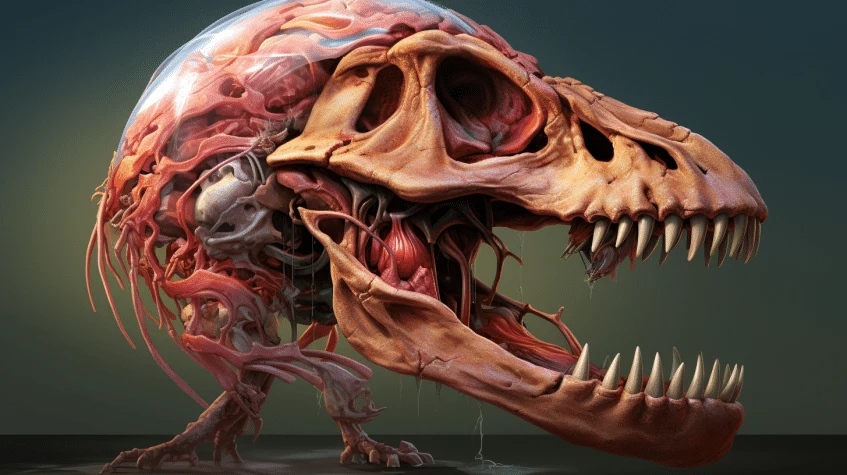
A new study provides unprecedented insights into the brains and cognitive capabilities of dinosaurs and other prehistoric reptiles. The key takeaways: Many theropod dinosaurs like T. rex had brains as large and complex as monkeys and primates. This suggests th…
Read article ↗
A new study published in Nature Medicine has identified two biological profiles, based on routine blood tests during COVID-19 hospitalization, that can predict patients’ risk of developing post-COVID brain fog months later. Key Facts: The study analyzed data f…
Read article ↗
Researchers have uncovered novel details about a specific population of brain cells that regulate obesity. Their findings provide increased understanding of the intricate neural circuits controlling energy balance and point to potential new therapeutic targets…
Read article ↗