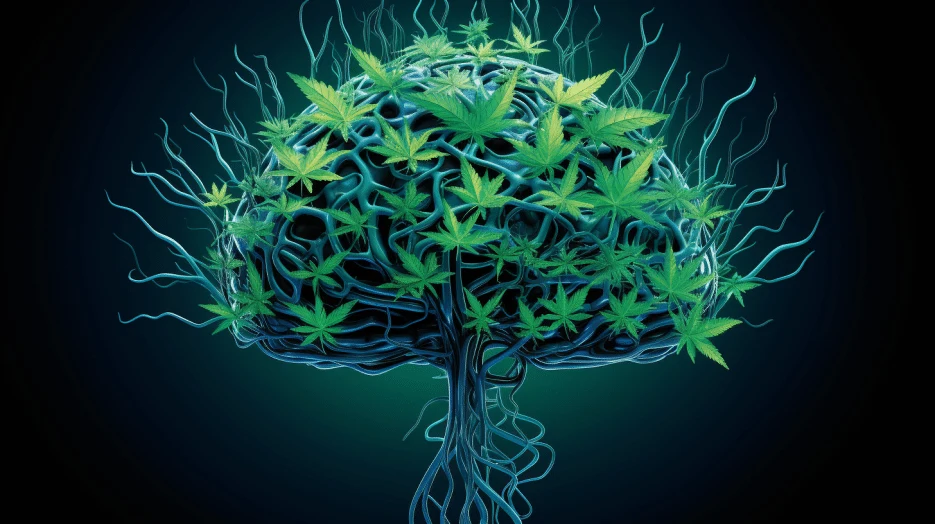
A recent case report describes a 34-year old man who developed a rare form of early onset dementia after two years of heavy marijuana use. While concerning, experts say more research is needed to understand the potential risks of cannabis on the developing bra…
Read article ↗
Theobromine, an ingredient found in chocolate, may impact mood and depression risk. But the details are complicated. Here’s what the science says so far. Key Facts: A recent study found higher theobromine intake was associated with increased depression risk. H…
Read article ↗
Research shows that getting the right amount of the vitamin niacin may help lower the risk of depression. Niacin is one of the B vitamins and is also known as vitamin B3. Consuming too little or too much niacin appears tied to higher odds of depression, sugges…
Read article ↗
New research shows that when mothers experience famine during pregnancy, it can change babies’ brain development in the womb. This may increase their risk for mental illnesses like schizophrenia and depression later in life. Key Facts: Babies whose mothers exp…
Read article ↗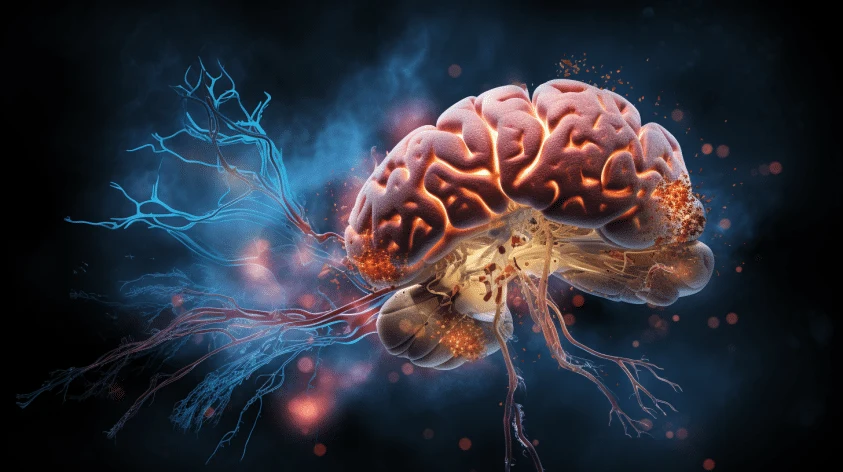
Parkinson’s disease (PD) is a neurodegenerative disorder characterized by the loss of dopamine-producing neurons. Dopamine plays an important role in PD development. Here are some key facts: Dopamine is a chemical messenger in the brain involved in movement, m…
Read article ↗
Plant-based milk alternatives like almond, oat, rice, and soy milk are growing in popularity. But how do these plant milks compare to cow’s and goat’s milk in terms of nutrition? A new study investigated the protein, fat, carbohydrate, and mineral composition…
Read article ↗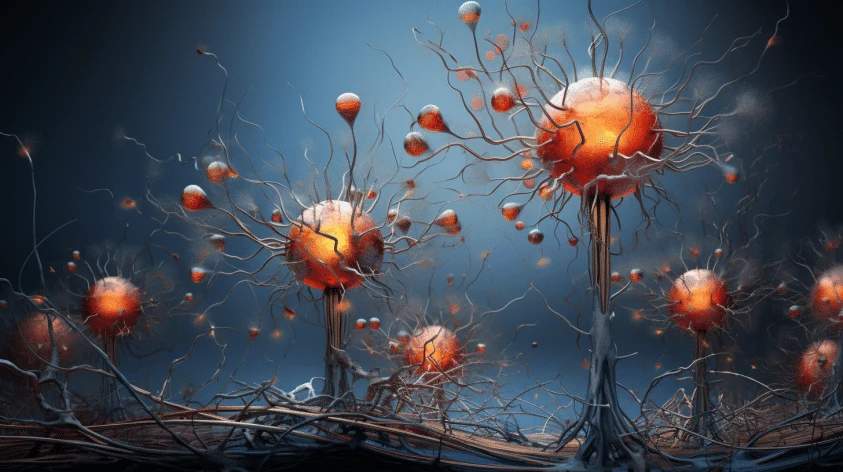
The neurotransmitter serotonin plays many important roles in our brains and bodies by binding to various serotonin receptor proteins. One of these receptors, called 5-HTR1E, has remained mysterious even after its discovery over 30 years ago. Facts about 5-HTR1…
Read article ↗
A new study suggests that eating more acid-producing foods may increase the risk of depression and anxiety, especially in women. Here are the key facts: Women with high dietary acid load had 21% higher odds of severe depression compared to those with low acid…
Read article ↗
Major depressive disorder (depression) is very common. It causes a lot of suffering and disability around the world. The good news is many people get better with medication, psychotherapy (talk therapy), or both. But for some people, depression just won’t go a…
Read article ↗
A new study tracked changes in brain volume in depressed patients after electroconvulsive therapy (ECT or “electroshock therapy”). The study found that ECT led to increases in gray matter (brain tissue), which then decreased substantially over the next 2 years…
Read article ↗