
TL;DR: A 2026 Nature Communications paper introduced EmulatRx, a multi-agent AI framework that used real-world clinical data to help design target-trial-emulation workflows for acute and chronic diseases, including Alzheimer disease and Parkinson disease examp…
Read article ↗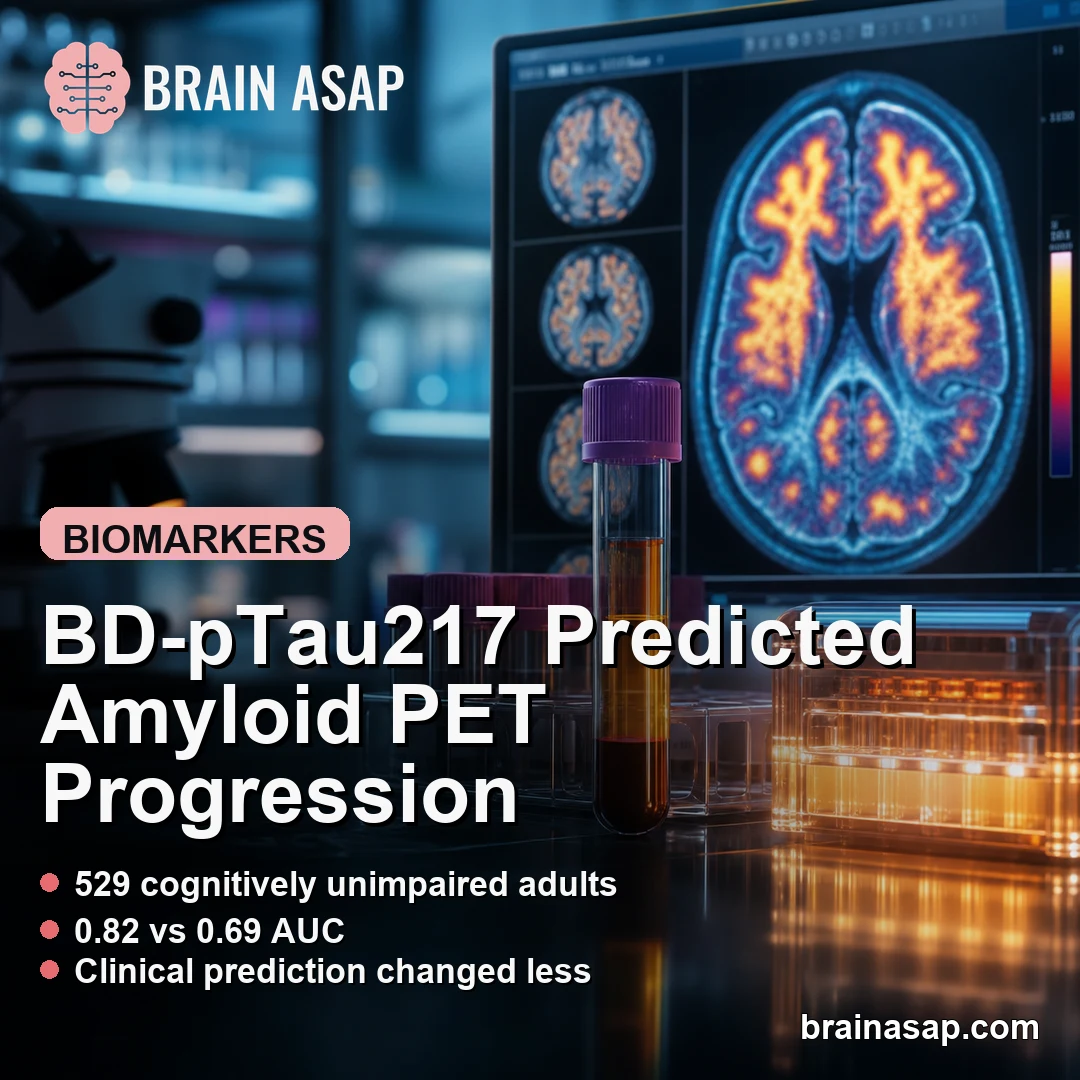
TL;DR: A 2026 ADNI analysis posted to medRxiv found that brain-derived plasma pTau217 better predicted near-term amyloid positron emission tomography (PET) positivity than total plasma pTau217 in cognitively unimpaired amyloid-negative participants. Key Findin…
Read article ↗
TL;DR: A 2026 retrospective analysis posted to medRxiv linked diclofenac and naproxen use in the NACC cohort to lower dementia and Alzheimer disease prevalence, while diclofenac use was also associated with slower Montreal Cognitive Assessment (MoCA) cognitive…
Read article ↗
TL;DR: A 2026 protocol posted to medRxiv describes a nationwide Japan survey designed to measure how dementia specialists handle anti-amyloid antibody therapy, biomarker testing, MRI safety monitoring, service capacity, and patient-choice tradeoffs. Key Findin…
Read article ↗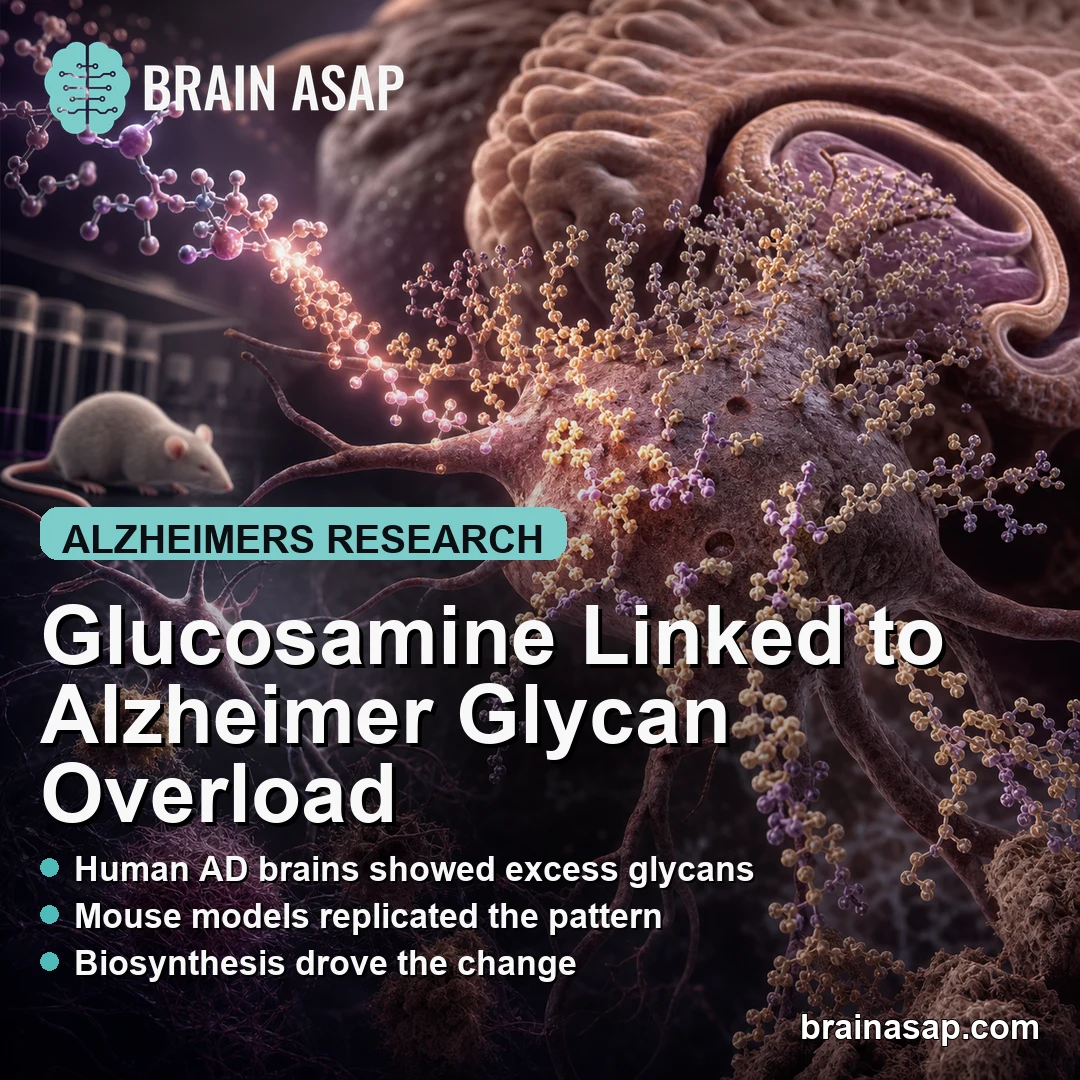
TL;DR: A 2026 study in Nature Metabolism identified brain hyperglycosylation as a metabolic driver of Alzheimer disease in human tissue and mouse models, while glucosamine exposure was linked to worse outcomes in Alzheimer-related dementia records. Key Finding…
Read article ↗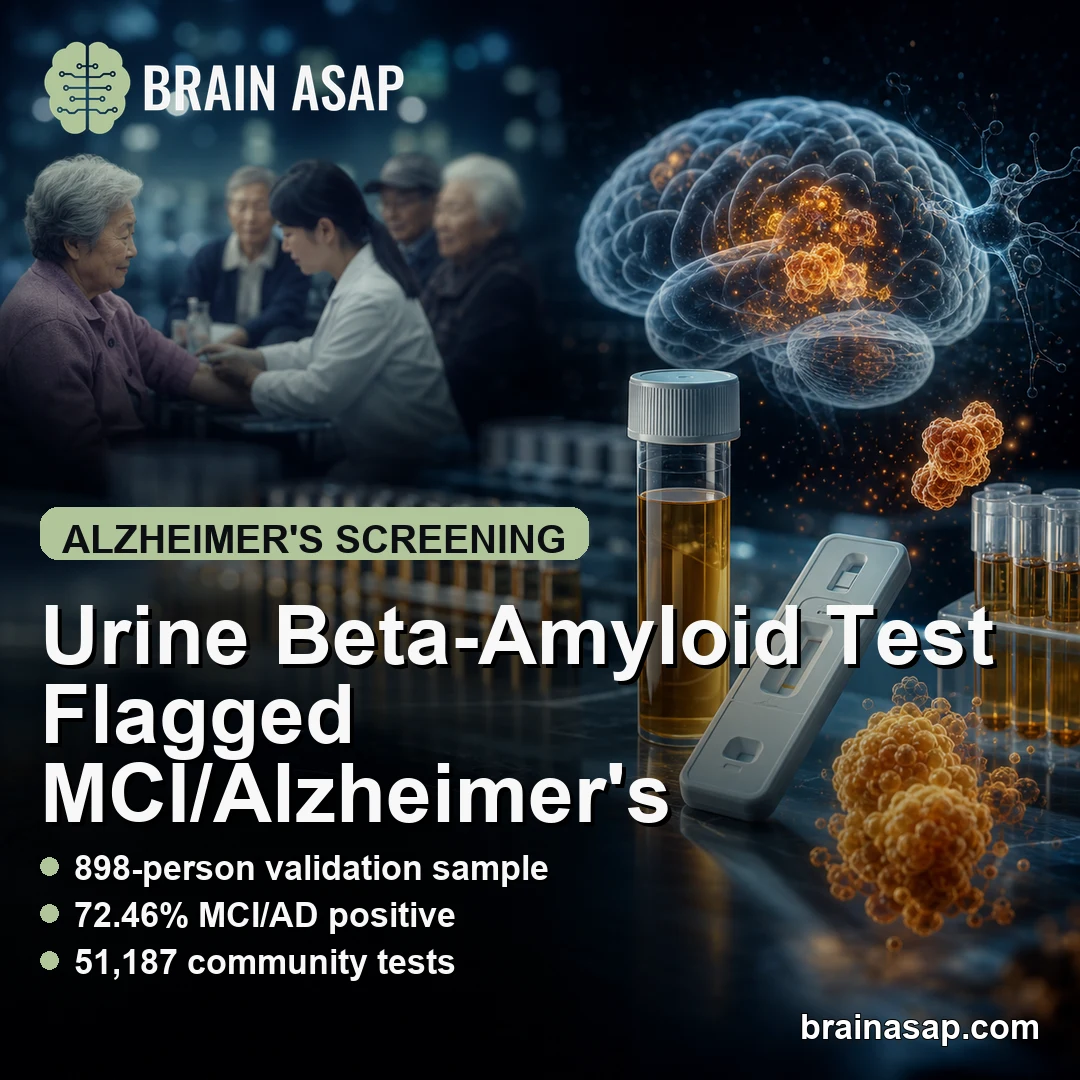
TL;DR: A 2026 preprint in medRxiv reported that a urine beta-amyloid protein test kit separated mild cognitive impairment or Alzheimer’s disease from healthy controls in a multicenter Chinese sample, while a 51,187-person community screen showed age-related po…
Read article ↗
TL;DR: A 2026 medRxiv preprint applied ChatGPT-4o-assisted Bayesian-frequentist hybrid inference to Alzheimer’s single-nucleus RNA-seq data and identified gamma-secretase and HP1 transcription pathways that a no-evidence frequentist setting did not recover. Ke…
Read article ↗