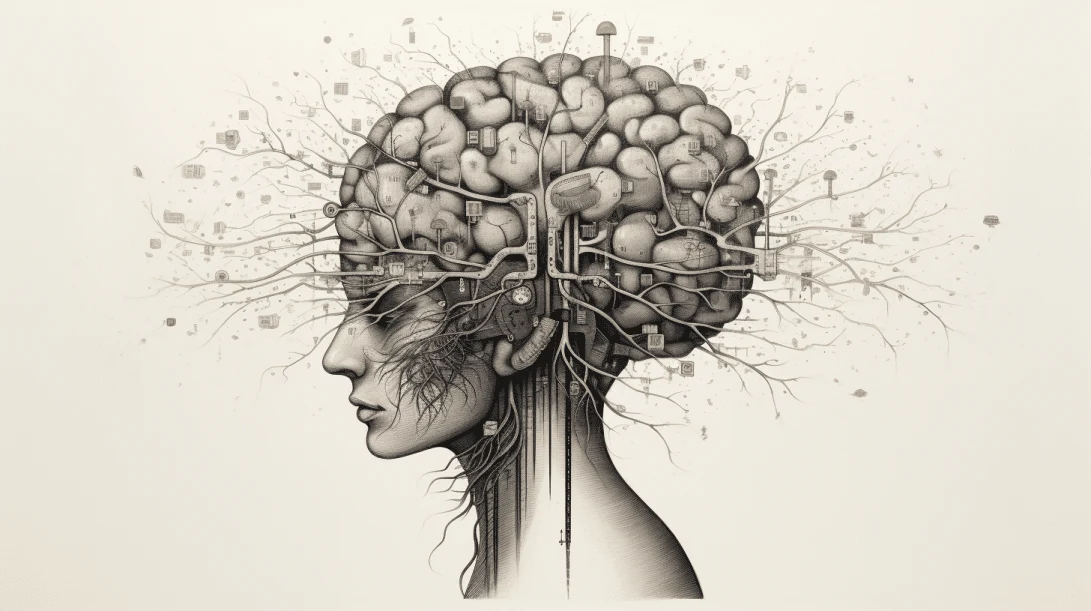
Tardive dyskinesia (TD) is an involuntary movement disorder caused by long-term use of antipsychotic medications. It involves repetitive, uncontrolled movements of the face, limbs or trunk. TD can be an unrelenting concern for patients and doctors due to its p…
Read article ↗
Resilience is key to coping with life’s stressors, but how it works in the brain is still being unraveled. A new study provides evidence that resilience involves distinct brain processes depending on whether someone is depressed or not. Key Facts: Resilience w…
Read article ↗
Epilepsy impacts millions of people worldwide. While medications have been the mainstay of treatment, one-third of patients continue to have seizures despite available drugs. This highlights the need for innovative therapies. Recent years have seen exciting de…
Read article ↗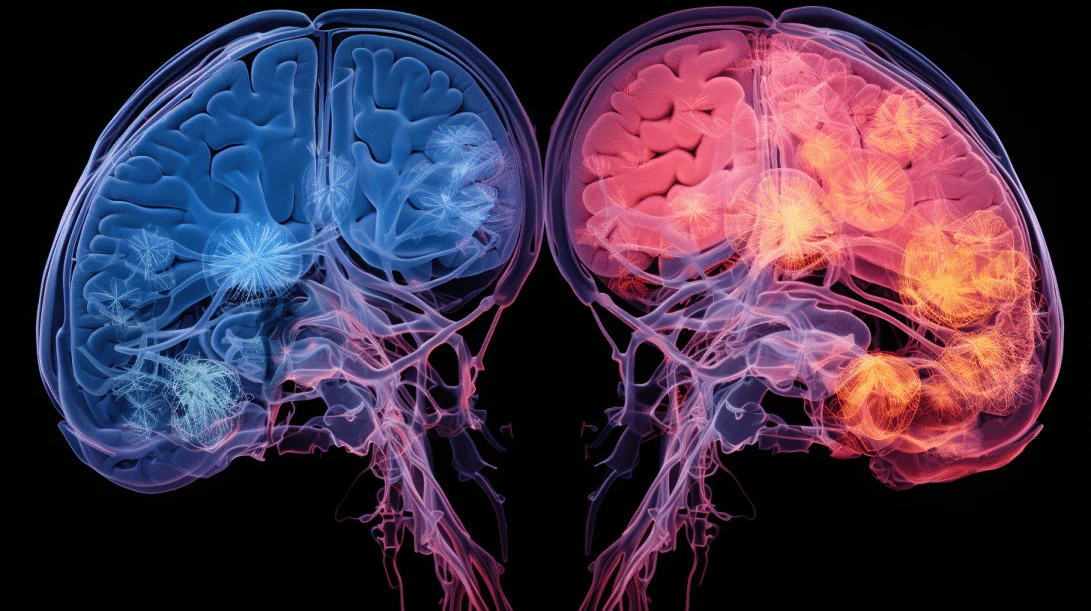
Research provides new evidence that generalized anxiety disorder (GAD) and depressive disorder (DD) have distinct patterns of brain activity. Machine learning analysis of EEG data reveals signature brain features that may enable more accurate diagnosis. Key Fa…
Read article ↗
Deep brain stimulation (DBS) of a brain region called the ventral capsule/ventral striatum (VC/VS) may provide long-term relief for people with severe, treatment-resistant obsessive-compulsive disorder (OCD), according to a new retrospective study. Key finding…
Read article ↗
Extreme sports like rock climbing are often described as “addictive” – but is this just a figure of speech or is there scientific evidence that these sports can produce addiction-like behaviors? A new study took a deep dive into this question, examining withdr…
Read article ↗
Cannabidiol (CBD) is emerging as a promising therapeutic for a variety of health conditions, but research is still in early stages. Here are some key facts on purified CBD: Purified CBD is showing positive results in clinical trials for anxiety, psychosis, sch…
Read article ↗
Post-traumatic stress disorder (PTSD) continues to afflict millions worldwide, necessitating more effective therapeutic options. Key Facts: PTSD involves dysfunctional fear processing and altered threat perception. Current treatments fail to comprehensively ad…
Read article ↗
A new study published in the Journal of Clinical Sleep Medicine has found that the medication clonidine is more effective and safer than zopiclone for treating insomnia in people with chronic pain. Key findings: Clonidine provided better pain relief than zopic…
Read article ↗
A new retrospective study analyzing data from over 33,000 COVID-19 patients points to omega-3 fatty acids as a potential preventive strategy against the psychiatric aftereffects of the illness. Key findings: Patients taking omega-3 supplements before COVID-19…
Read article ↗