
Obesity can lead to impaired learning, memory and cognitive decline, but the underlying mechanisms are not fully understood. A new mouse study reveals how obesity disrupts key signaling pathways in the brain, and shows the potential of two diabetes drugs, sema…
Read article ↗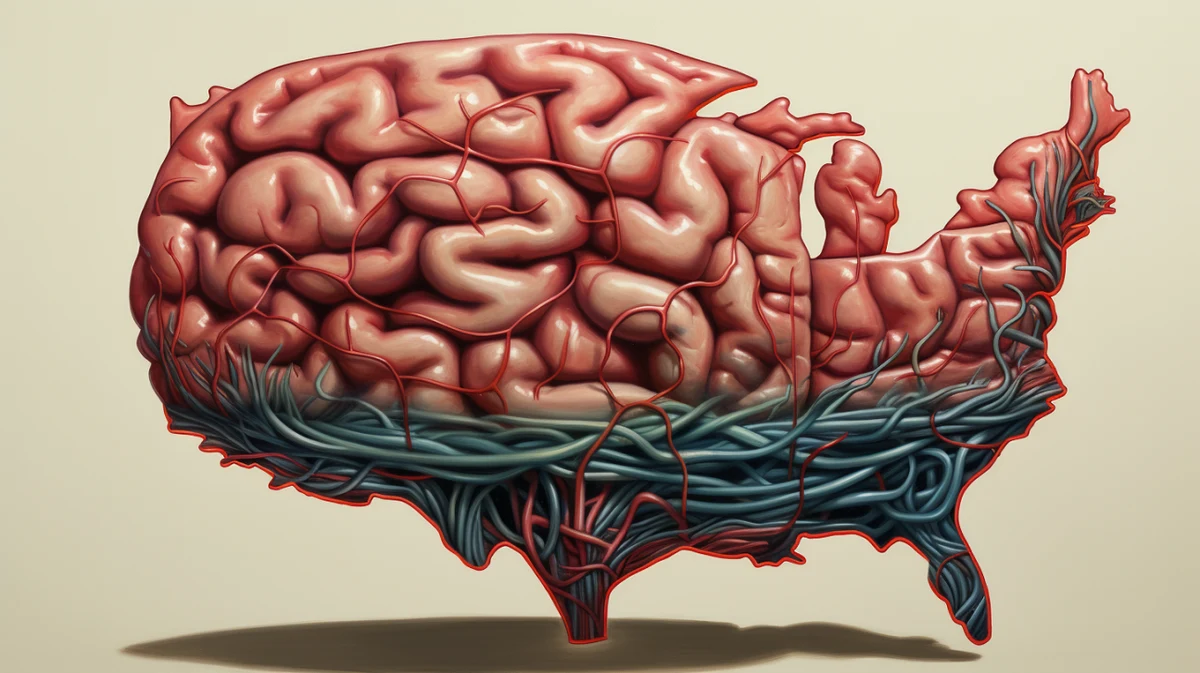
A new study has uncovered an interconnected nexus between state IQ and well-being across the 50 U.S. states. Key findings show that states with higher average IQ tend to have better well-being outcomes across areas like health, income, education and crime. Som…
Read article ↗
Multitasking requires rapidly switching between tasks and goals, taxing networks in our brains that support cognitive control and attention. Research shows multitasking leads to poorer performance, known as switch costs, compared to focusing on one task at a t…
Read article ↗
Albert Einstein’s extraordinary intelligence and genius have long intrigued scientists. Now, new analysis of photographs of Einstein’s brain reveals enhanced connections between the two hemispheres, providing clues into the neurological basis for his remarkabl…
Read article ↗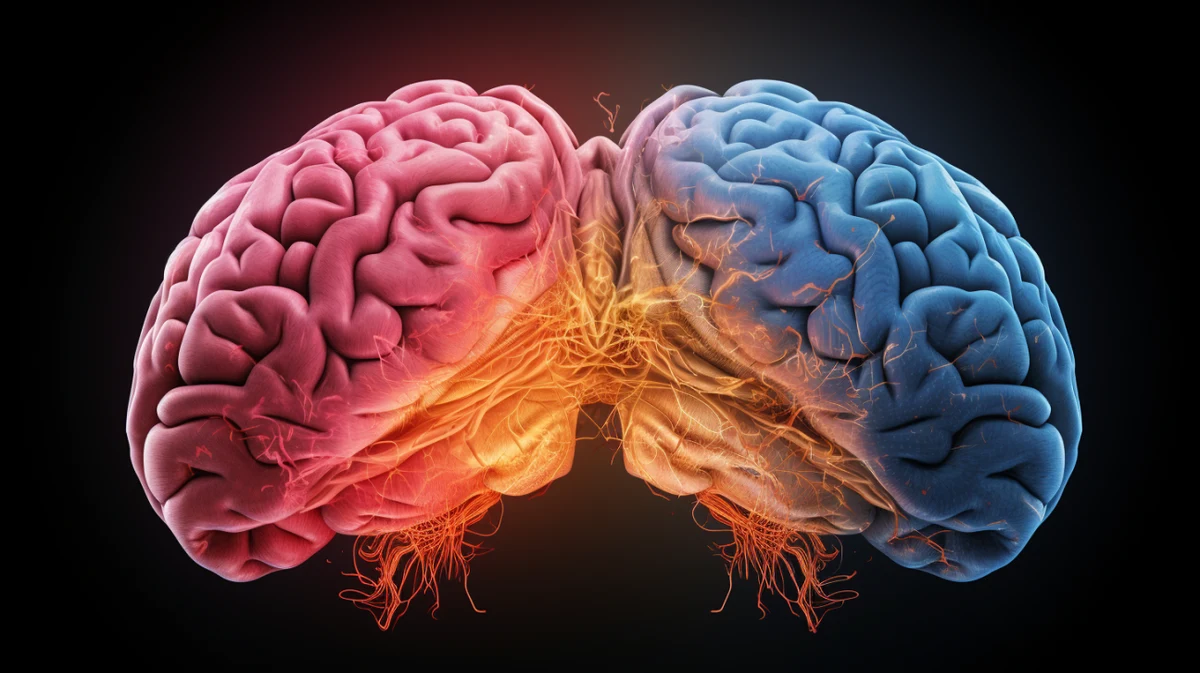
The corpus callosum is the thick band of nerve fibers that connects the left and right hemispheres of the brain, acting like a superhighway to allow communication between the two sides. Given its role in integrating information, researchers have long speculate…
Read article ↗
Researchers have long suspected that brain size affects intelligence, with people who have bigger brains tending to have higher IQs. A new set of studies provides compelling evidence that this relationship is likely causal and not just correlational. Key Takea…
Read article ↗
Working memory training has been shown to provide widespread cognitive benefits, but how exactly does it change our brains? New research reveals that a demanding “dual n-back” training program alters functional connectivity even during rest, shedding light on…
Read article ↗
A new study published in Scientific Reports provides insight into which memory training techniques are most effective at improving working memory. The research compared an adaptive n-back training task to the memory palace technique over 20 days of training. B…
Read article ↗
A new review of research finds strong evidence that fluoride exposure, especially during fetal development and infancy, can lead to decreased IQ and other neurotoxic effects. While fluoride may help prevent dental cavities when applied topically, ingesting ele…
Read article ↗
A new systematic review published in BMC Geriatrics suggests that supplementing with medium-chain triglycerides (MCTs) may provide cognitive benefits for older adults without dementia. MCTs are a type of fatty acid found in foods like coconut oil and palm kern…
Read article ↗