
TLDR: GLP-1 agonists were found to significantly reduce the risk of dementia in older individuals with type 2 diabetes mellitus (T2DM) compared to DPP-4 inhibitors and sulfonylureas. Highlights: A sequential trial emulation was conducted using data from Swedis…
Read article ↗
TLDR: Occasional drinking may help reduce the risk of major depression, but frequent drinking worsens it. Highlights: Occasional alcohol consumption is linked to a lower risk of major depression. Frequent alcohol intake increases the risk of major depression.…
Read article ↗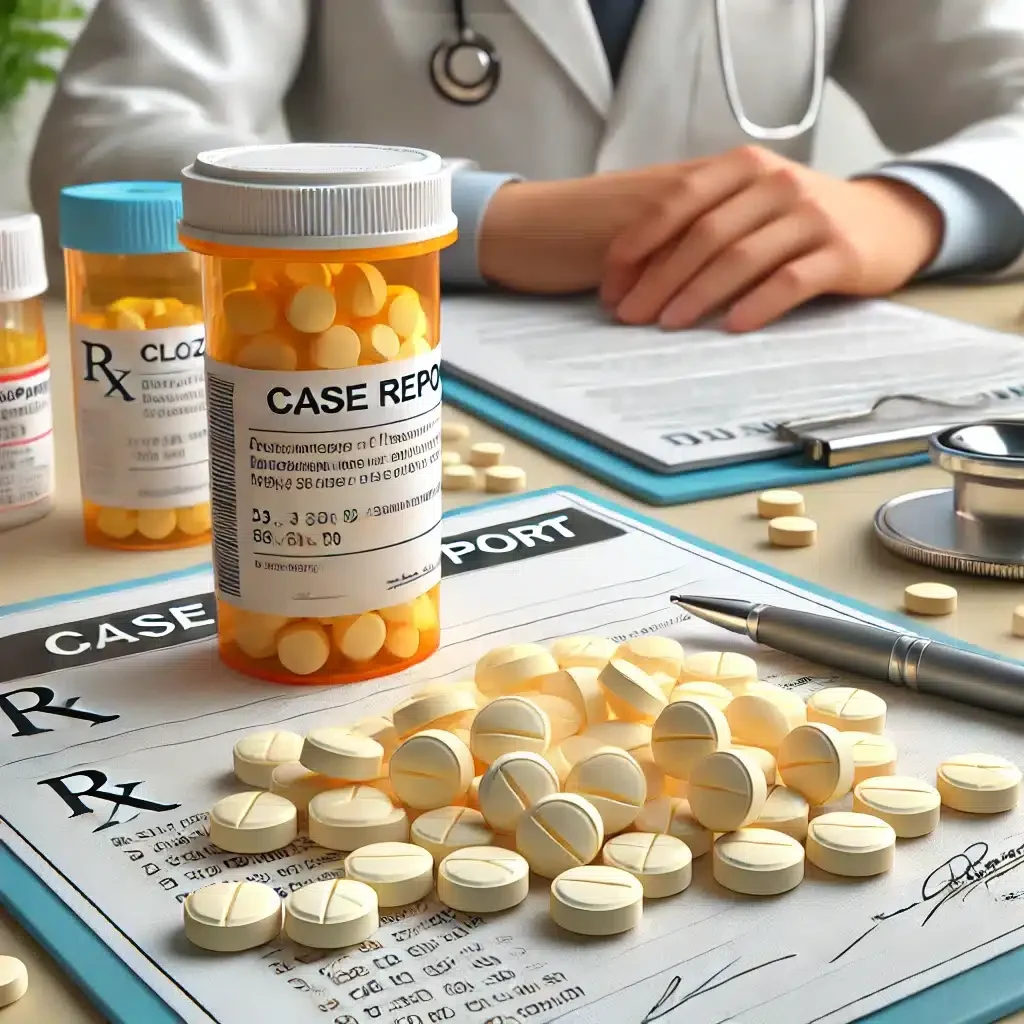
TLDR: This case study reports the highest recorded nonfatal clozapine overdose (10,000 mg) in an elderly patient, causing significant fluctuations in blood concentration levels following treatment. Highlights: A 71-year-old female ingested 10,000 mg of clozapi…
Read article ↗
TLDR: Quercetin-based alginate nanogels loaded with brain-derived neurotrophic factor (BDNF) can effectively cross the blood-brain barrier via intranasal delivery, providing a promising treatment for depressive disorders. Highlights: Nanogels: Quercetin nanoge…
Read article ↗
TLDR: Esketamine nasal spray, combined with standard antidepressant therapy, significantly improves remission rates and reduces time to remission in adults with major depressive disorder (MDD) and acute suicidality compared to standard care alone. Highlights:…
Read article ↗
Antidepressant use has risen steadily for 30 years. Over 10% of adults in England now take them long-term, but evidence suggests up to half lack clear medical justification to continue. Patients and doctors are reluctant to stop treatment due to fears of relap…
Read article ↗
New research provides clarity on the most effective cessation aids available. Varenicline, cytisine, and e-cigarettes help the greatest proportion of people quit long-term. Slowly tapering nicotine dose before ending treatment may also boost success rates. Bup…
Read article ↗
Insomnia is a common sleep disorder affecting up to 15% of adults. While sedative medications are often prescribed, their long-term use can lead to dependence. As an alternative, antidepressants are widely used in clinical practice despite limited evidence sup…
Read article ↗
Depression is highly prevalent in older adults and those with cardiovascular disease. Selective serotonin reuptake inhibitors (SSRIs) are generally safe first-line treatments, but many wonder if they’re safe for those with cardiovascular disease. Key Facts: Th…
Read article ↗
Current antidepressants can take weeks to improve symptoms of depression. New research explores reasons for this delay and provides clues to develop more rapid-acting drugs. Key Facts: Most antidepressants increase brain serotonin and norepinephrine, but their…
Read article ↗