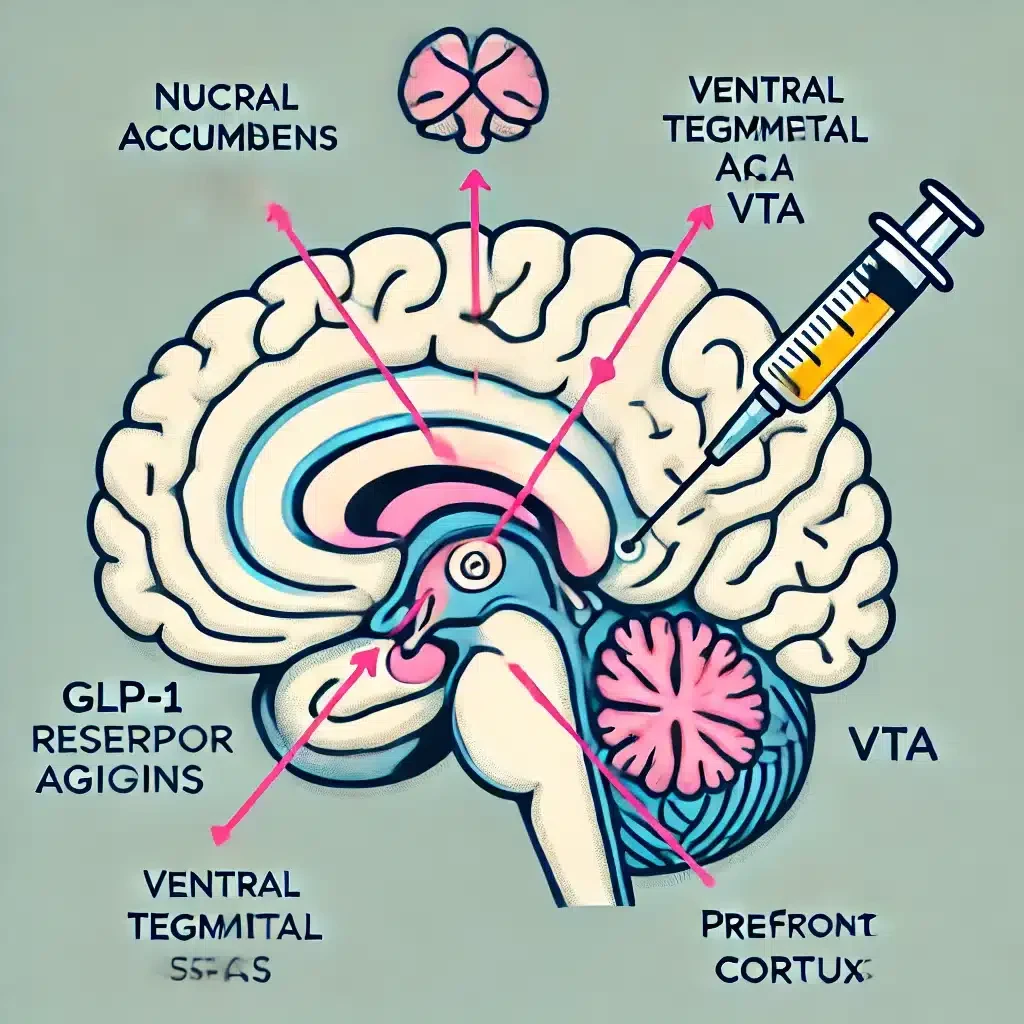
GLP-1 receptor agonists (GLP-1RAs) show promise in regulating the reward system and potentially treating motivation and reward-processing disorders. Highlights: Regulation of Reward System Dysfunction: GLP-1RAs influence the brain’s reward system, which is inv…
Read article ↗
Probiotics may help improve sexual function and reduce depression severity in women treated with SSRIs. Highlights: Depression Prevalence: Approximately 5% of all adults will experience depressive disorder, often accompanied by reduced sexual desire and dysfun…
Read article ↗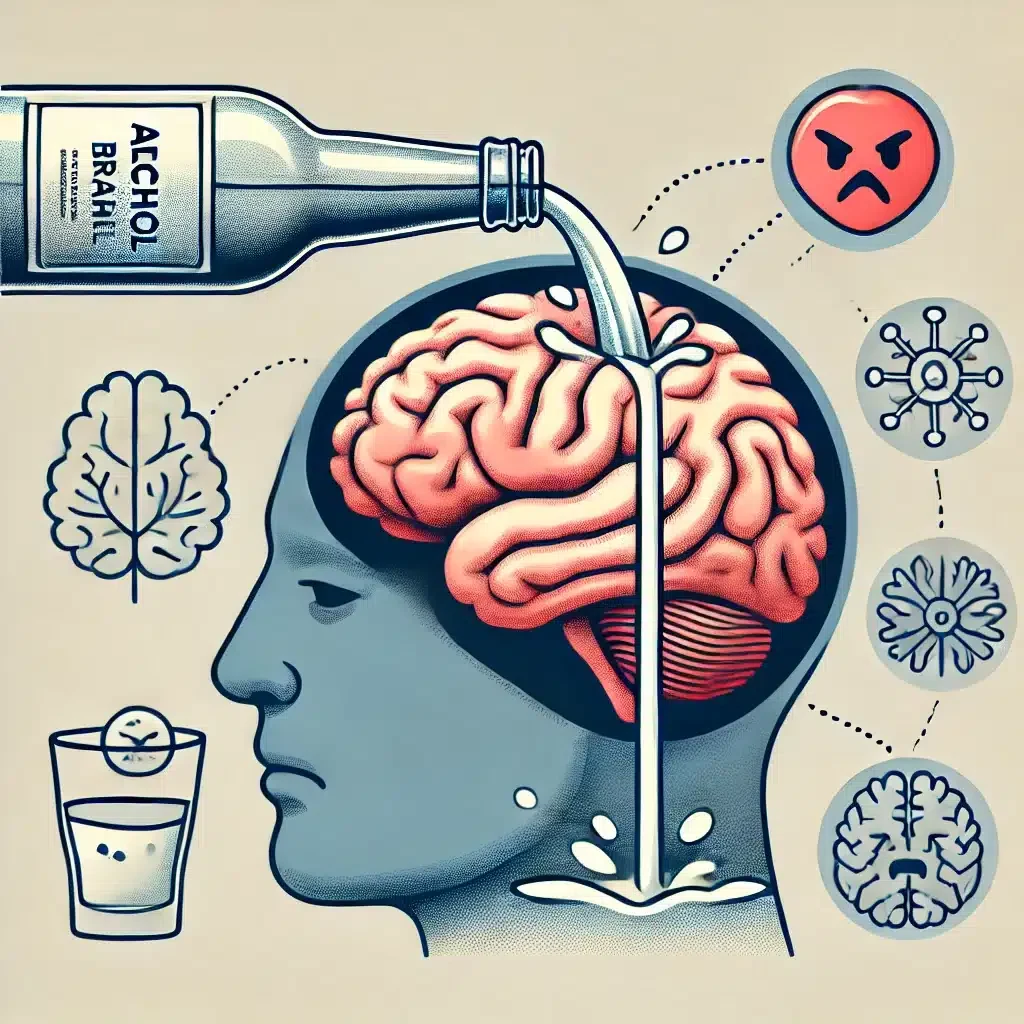
A study broke down Alcohol Use Disorder (AUD) into specific brain-related categories and identified key factors that can help understand and classify AUD more accurately. Higlights: Cravings & Insensitivity: The study identified two main factors related to alc…
Read article ↗
A study examined the effects of ketamine on sleep arousal metrics in individuals with treatment-resistant depression (TRD) vs. healthy volunteers, finding that ketamine increases certain sleep-related brain activities but does not significantly mediate its ant…
Read article ↗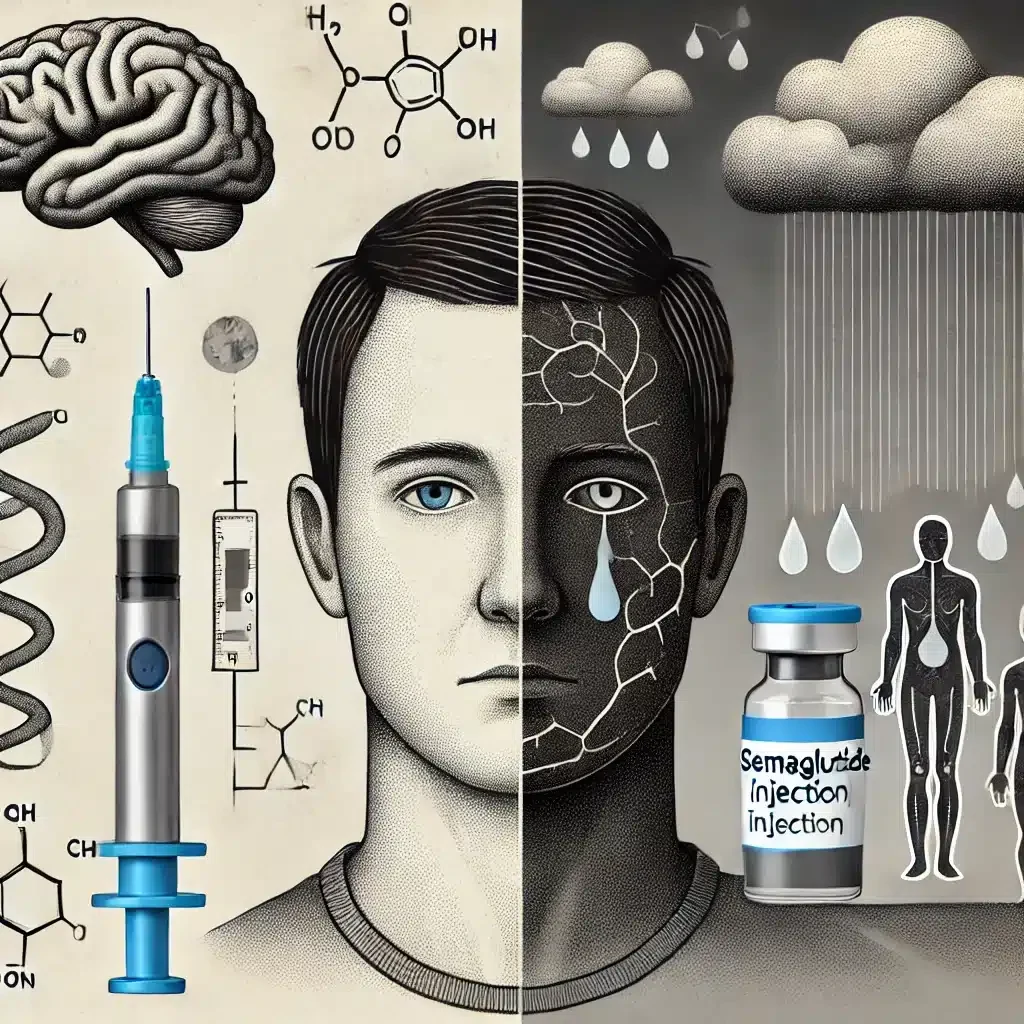
GLP-1 receptor agonists like semaglutide, used for managing Type 2 diabetes, may be linked to adverse mood changes, necessitating further investigation into their psychiatric effects. Highlights: GLP-1 Receptor Agonists: These medications mimic GLP-1 hormone e…
Read article ↗
TLDR: A patient developed a compulsive chewing behavior when taking mixed amphetamine salts (MAS) for ADHD, highlighting the need to monitor for unusual side effects with stimulant use. Highlights: Patient Background: The patient is a 32-year-old woman with a…
Read article ↗
Oral contraceptives (OCs) reduce avoidance bias and increase approach behavior under stress, with effects varying based on the type of contraceptive used. Highlights: Participants: The study involved 130 women, split evenly between those taking oral contracept…
Read article ↗
Antidepressant withdrawal symptoms occur in about one-third of patients stopping antidepressants, with severe symptoms in about 3% of cases – according to a new Lancet Psychiatry review. Highlights: Incidence of Symptoms: Approximately 31% of patients experien…
Read article ↗
Lecanemab shows promise in treating Alzheimer’s disease by reducing clinical deterioration and amyloid-beta plaques, but it has significant adverse effects and requires further research for confirmation. Highlights: FDA Approval: The US FDA authorized lecanema…
Read article ↗
TLDR: LSD does not provide psychological resilience during stressful experiences such as job loss – and may increase psychological distress. Highlights: The study analyzed data from 5,067,553 unemployed individuals seeking jobs. LSD users who had used the drug…
Read article ↗