Minor or subthreshold depression causes significant suffering and impairment, despite falling short of a major depression diagnosis. Effective early treatment is crucial to alleviate symptoms, improve functioning, and prevent progression to major depression. B…
Read article ↗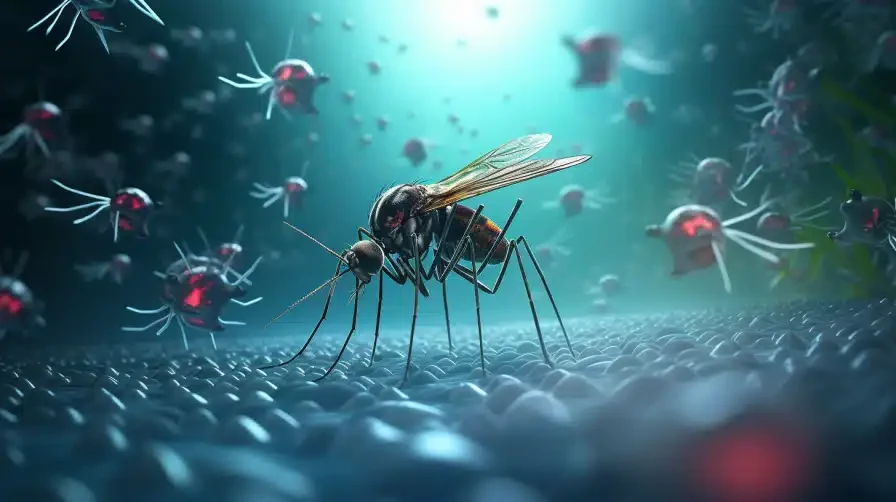
Zika virus (ZIKV) is a mosquito-borne flavivirus that has emerged as a significant global health threat, but there are currently no approved antiviral drugs for treating ZIKV infection. A new study identifies the SSRI drug dapoxetine as a promising antiviral c…
Read article ↗
Depression often comes with significant sleep disturbances that can persist even after other symptoms improve. Choosing an antidepressant that alleviates sleep problems may improve outcomes. Key Facts: Sleep complaints like insomnia occur in 60-90% of depressi…
Read article ↗
New research reveals that people with a history of methamphetamine dependence face a startling elevated risk of developing Parkinson’s disease or related movement disorders later in life. Key Facts: Individuals dependent on methamphetamine had almost 3 times t…
Read article ↗
A new Mayo Clinic study is the first to clinically investigate whether antidepressants that impact mitochondrial function differently are associated with varying rates of treatment-emergent mania in bipolar disorder. The study found that antidepressants that i…
Read article ↗
Stimulants like caffeine, methylphenidate, and modafinil have repeatedly been shown to boost cognitive abilities such as attention, focus, and memory in healthy individuals. A new study provides insight into the underlying brain mechanisms of this cognitive en…
Read article ↗
A large review of research found that talk therapy works about as well as antidepressant medications for treating depression. The study also looked at other non-drug options, like exercise. While benefits were similar across treatments, side effects differed.…
Read article ↗
Anti-cancer peptides (ACPs) offer a potentially more targeted way to detect and treat cancer compared to conventional therapies like chemotherapy. ACPs can discriminate between cancerous and healthy cells, resulting in fewer side effects. Key Facts: ACPs can a…
Read article ↗
The naturally occurring peptide BPC 157 shows potential to treat stroke, schizophrenia symptoms, and spinal cord injury in animal models. Key facts: BPC 157 rapidly counteracted stroke damage and led to full recovery of memory, coordination and movement in rat…
Read article ↗
Researchers uncover a surprising molecular mechanism that explains ketamine’s exceptionally long-lasting antidepressant effects. Key Facts: Ketamine’s antidepressant effects last for days after its concentration drops to low, ineffective levels only an hour af…
Read article ↗