TL;DR: A 2026 preprint in medRxiv used natural language processing (NLP) on Scottish CT and MRI reports to subtype stroke at scale, linking lobar intracerebral hemorrhage to higher later dementia risk and cortical ischemic stroke to higher early myocardial inf…
Read article ↗
TL;DR: A 2026 preprint in medRxiv reported that an interpretable CatBoost machine-learning model predicted stroke-associated pneumonia after acute ischemic stroke bridging therapy with a test-set AUC of 0.932, with 7-day stroke severity and early inflammatory…
Read article ↗
TL;DR: A 2026 population-based matched cohort study in British Journal of Psychiatry found that risperidone use was associated with increased stroke risk, adjusted hazard ratio 1.28, while absolute stroke incidence was especially high in people with prior stro…
Read article ↗
TL;DR: A 2026 medRxiv preprint found that nonverbal Theory of Mind (ToM), the ability to infer another person’s beliefs or perspective, varied in 44 adults with post-stroke aphasia and was more closely tied to vascular brain-health markers than to aphasia seve…
Read article ↗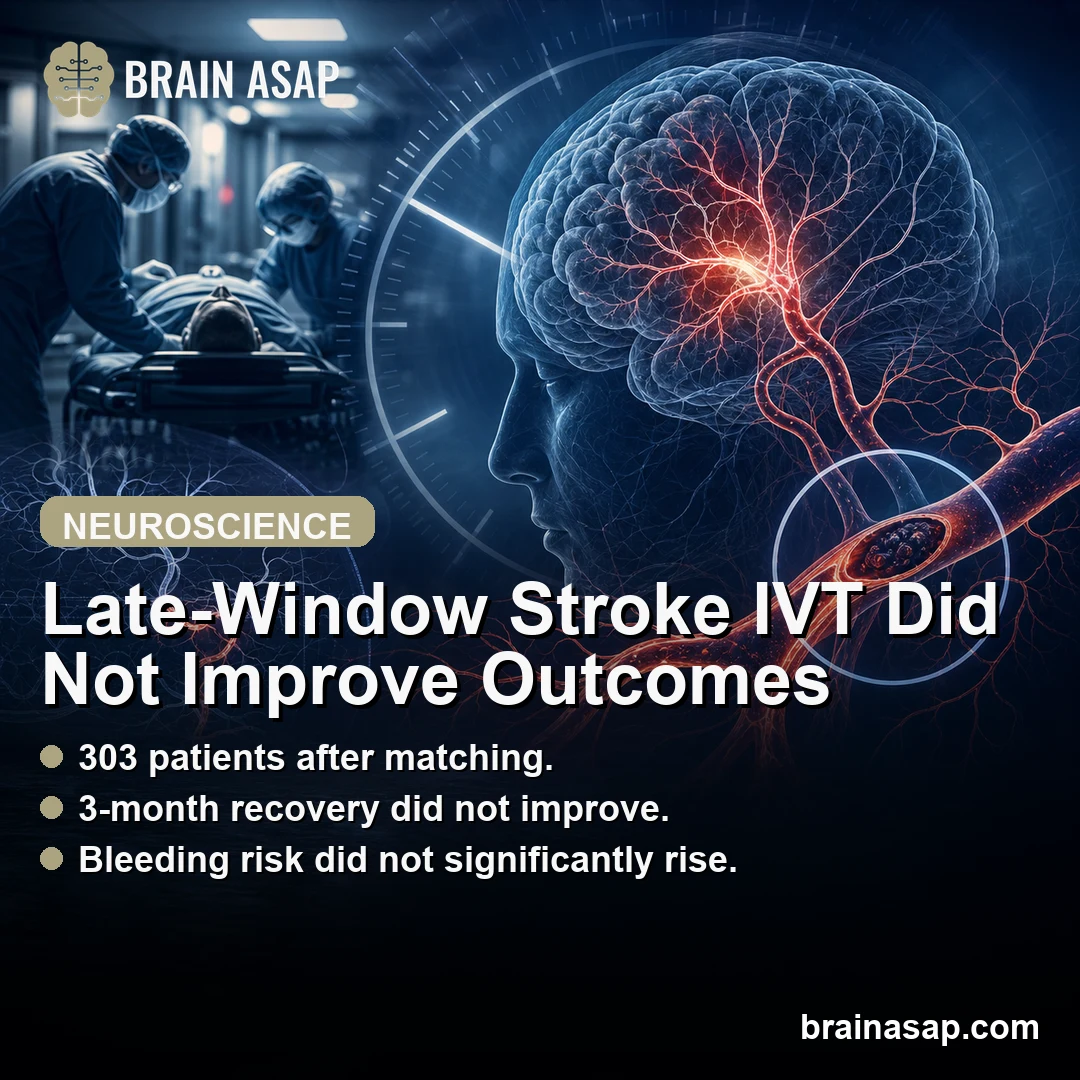
TL;DR: A 2026 medRxiv preprint found that giving intravenous thrombolysis (IVT), a clot-dissolving drug treatment, before endovascular thrombectomy (EVT), a catheter procedure to remove a large brain clot, did not significantly improve 3-month recovery or incr…
Read article ↗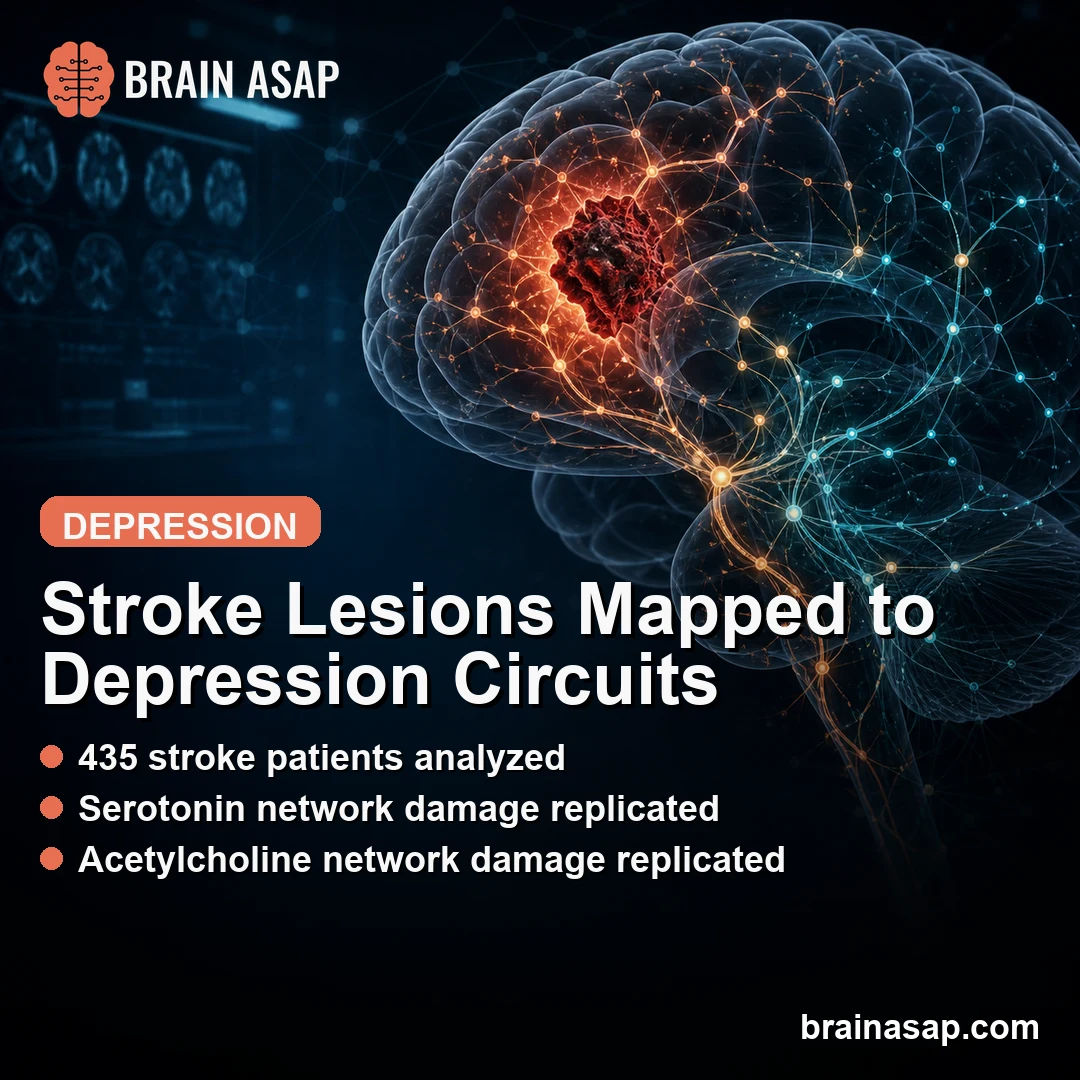
TL;DR: A 2026 medRxiv preprint linked post-stroke depressive symptoms to stroke damage in serotonin-transporter and acetylcholine-transporter weighted brain networks, suggesting depression risk after stroke may depend partly on which neurochemical circuits a l…
Read article ↗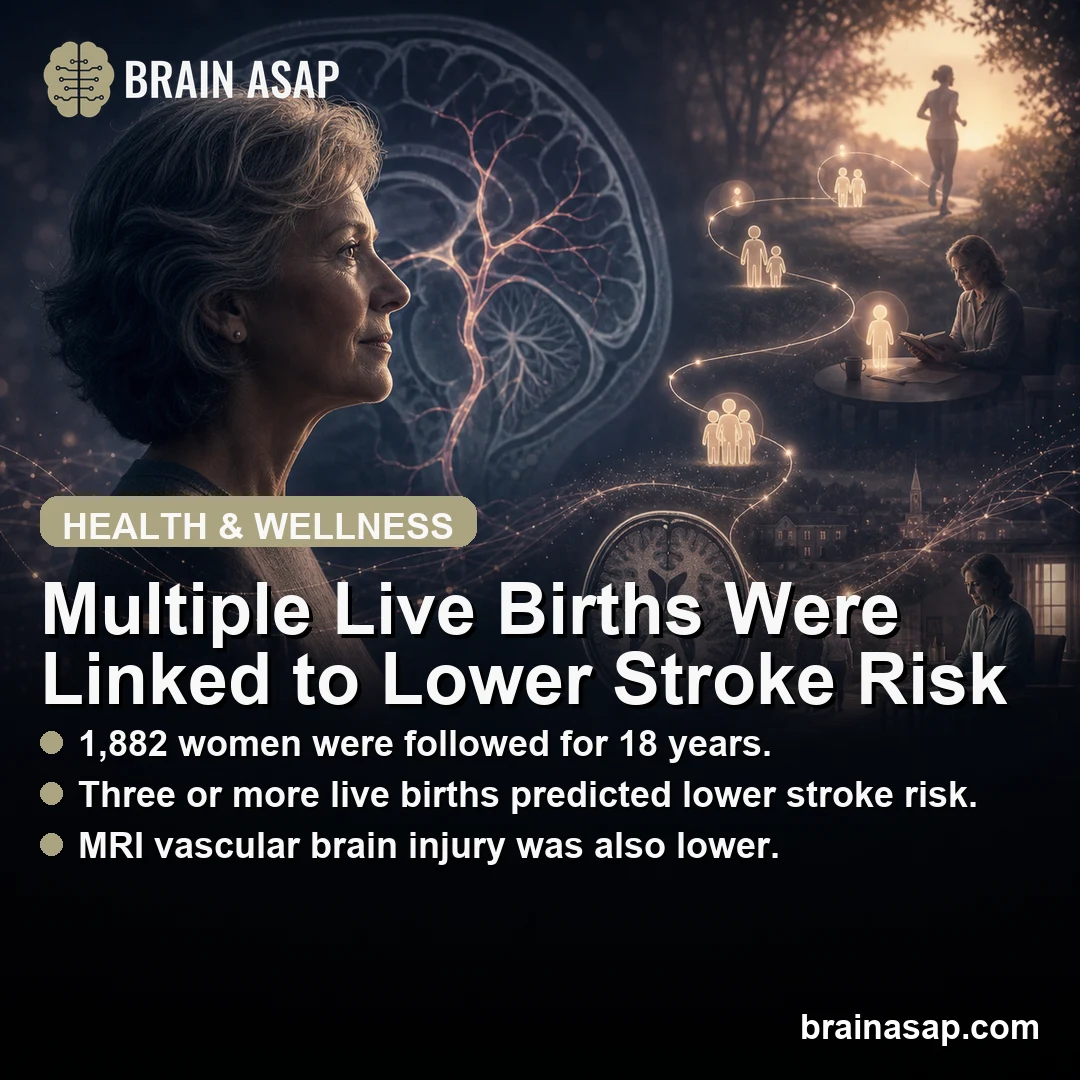
TL;DR: A 2026 study in the Journal of the American Heart Association followed 1,882 stroke-free women from the Framingham Heart Study for a median of 18 years and found that having three or more live births was associated with a reduced risk of clinical stroke…
Read article ↗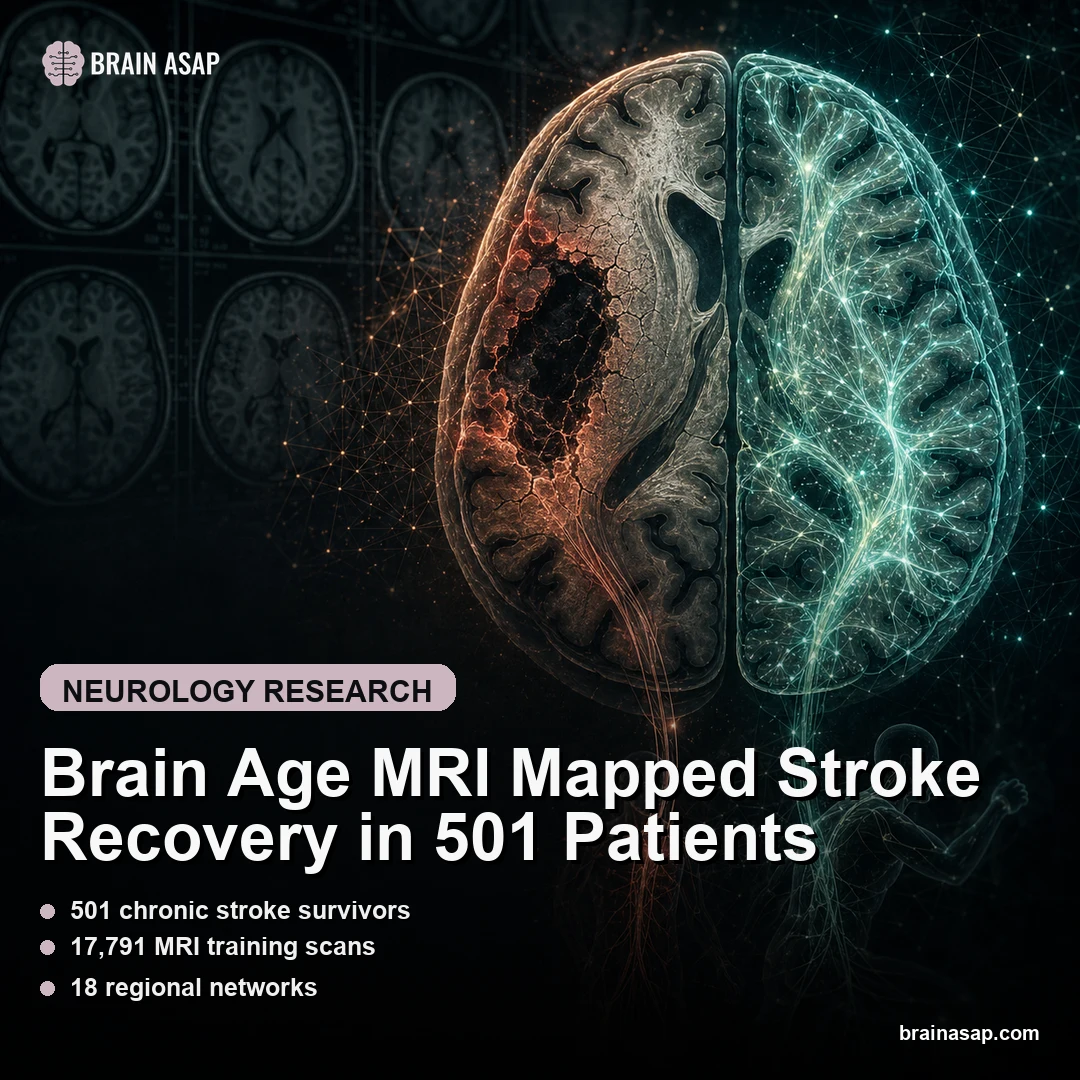
Brain Age MRI Mapped Stroke Recovery in 501 Patients TL;DR: A Lancet Digital Health ENIGMA study found that larger stroke lesions made the damaged hemisphere look biologically older, while severe motor impairment was linked to younger-appearing contralesional…
Read article ↗
Higher ethylene oxide (EtO) exposure is significantly associated with an increased risk of stroke in U.S. adults, particularly those under 50 years old. Highlights: Higher levels of EtO are linked to increased stroke rates, with individuals in the top 25% of e…
Read article ↗
TLDR: Lower serum vitamin D levels are associated with an increased risk of stroke, particularly ischemic stroke, and are linked to poorer stroke outcomes. Highlights: The meta-analysis included 27 studies with 45,302 participants, finding a combined relative…
Read article ↗