
Researchers explore various drug compounds and their potential to enhance human cognition, including attention, learning, and higher-order thinking. While some progress has been made, many questions remain. Key Facts: Several drug compounds show potential to m…
Read article ↗
Neurofeedback is a promising technique that allows people to voluntarily control their own brain activity with the goal of improving cognitive functions or relieving symptoms. Key Facts: Neurofeedback provides real-time feedback on brain activity, allowing a p…
Read article ↗
A major new study provides evidence that environmental factors, not genetics, are the primary drivers behind the Flynn effect – the steady rise in IQ scores observed over the 20th century. Researchers analyzed IQ data from over 700,000 Norwegian males and foun…
Read article ↗
A large study of Finnish men found that lower IQ scores were associated with committing more crimes and engaging in a wider variety of criminal offenses. Men with the lowest IQ were the most likely to have criminal records, especially for violent crimes. Howev…
Read article ↗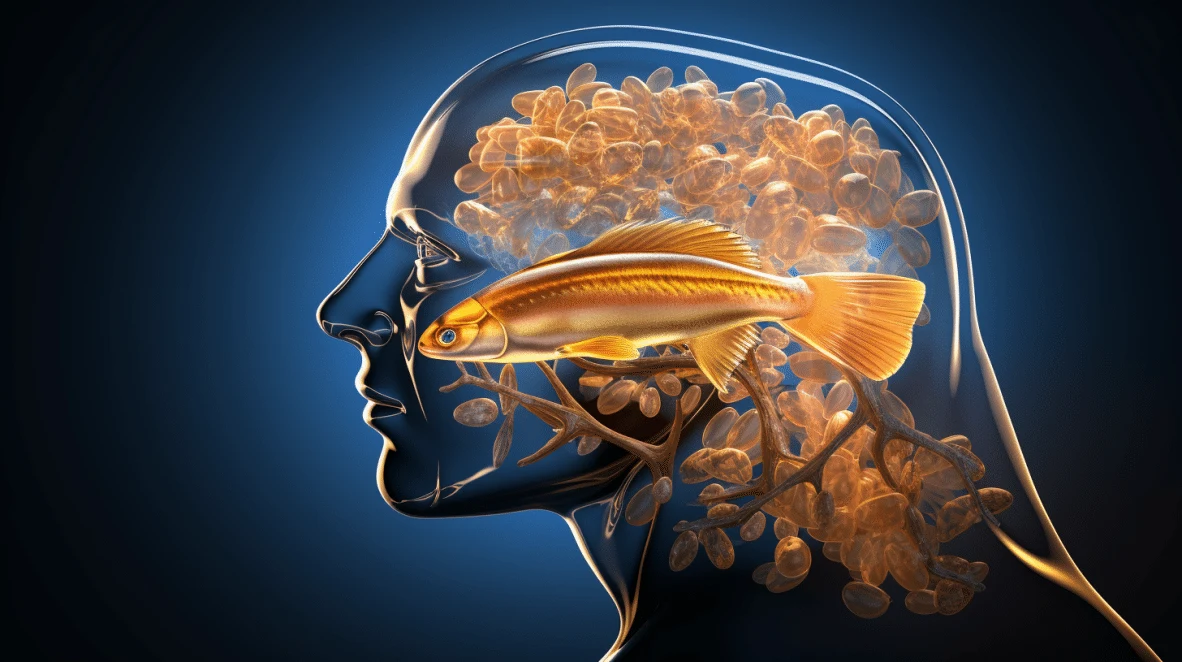
Omega-3 fatty acids like DHA and EPA have been shown to benefit brain health and cognitive function. Key facts: Omega-3s make up a large proportion of the brain’s fatty acid content. DHA is the most abundant. They support neuron growth, improve blood flow, and…
Read article ↗
New research suggests that having higher intelligence may reduce the risk of depression associated with neuroticism, a personality trait linked to emotional instability. Key Facts: Neuroticism is strongly associated with an increased risk of depression and psy…
Read article ↗
A recent longitudinal study provides new insight into the association between intelligence in adolescence and mental health outcomes in middle age. The research indicates that higher intelligence in youth is linked to a lower risk of some common mental health…
Read article ↗
Student cognitive abilities and college institutional factors both shape outcomes, but the historical evidence suggests student characteristics play an outsized role. Key Facts: In the research paper, student cognitive aptitude accounted for 41-47% of the vari…
Read article ↗
A large new study finds that exposure to common industrial solvents on the job is associated with reduced cognitive performance, especially in men. Key findings show: Men exposed to solvents like gasoline, trichlorethylene, white spirit or cellulosic thinners…
Read article ↗
General intelligence, known as g or IQ, has long been the focus of cognitive genetics research. But what about more specific cognitive abilities, the building blocks that make up IQ? A sweeping new meta-analysis of over 740,000 twins surprisingly suggests: Spe…
Read article ↗