
Research finds that our musical tastes are linked to our empathy levels and thinking styles. People who are more empathetic tend to like mellow music genres while more systematic thinkers prefer intense, complex music. Key Facts: People higher in empathy prefe…
Read article ↗
A new systematic review published in the International Journal of Environmental Research and Public Health suggests that chronic exposure to high levels of fluoride during pregnancy and childhood may be associated with adverse effects on cognitive development.…
Read article ↗
Smoking remains a major public health issue. Nicotine, the primary addictive component of tobacco, may enhance cognition but also drives continued use. Understanding nicotine’s effects on the brain is key for developing better interventions. Key facts: Nicotin…
Read article ↗
A new study published in PLOS One investigated whether adaptive dual n-back working memory training could enhance cognition in healthy adults aged 30-60. The randomized controlled trial found that 5 weeks of daily home-based dual n-back training did not improv…
Read article ↗
Siblings often turn out quite different from one another, despite sharing much of their genetics and childhood environment. One of the most robust findings in this realm is that earlier-born siblings tend to outperform later-borns in measures of intelligence a…
Read article ↗
Education has long been thought to improve cognitive abilities like intelligence. But does simply spending more years in school actually make people smarter? A new meta-analysis of quasi-experimental studies provides compelling evidence that education signific…
Read article ↗
Obesity can lead to impaired learning, memory and cognitive decline, but the underlying mechanisms are not fully understood. A new mouse study reveals how obesity disrupts key signaling pathways in the brain, and shows the potential of two diabetes drugs, sema…
Read article ↗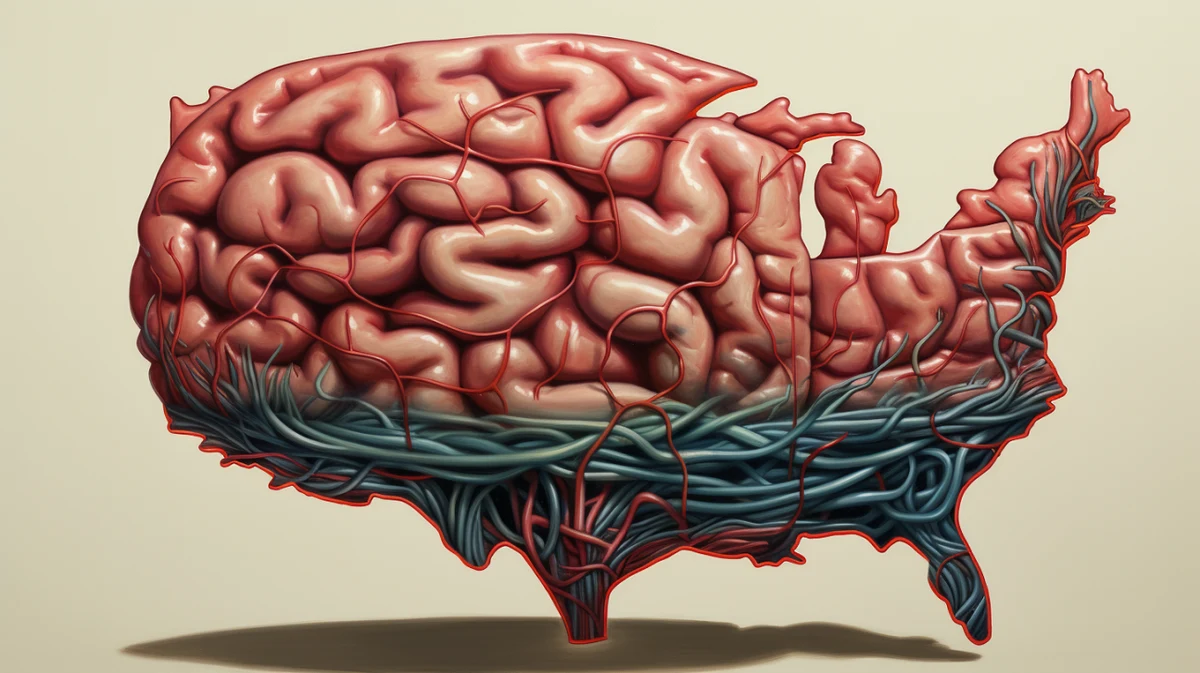
A new study has uncovered an interconnected nexus between state IQ and well-being across the 50 U.S. states. Key findings show that states with higher average IQ tend to have better well-being outcomes across areas like health, income, education and crime. Som…
Read article ↗
Multitasking requires rapidly switching between tasks and goals, taxing networks in our brains that support cognitive control and attention. Research shows multitasking leads to poorer performance, known as switch costs, compared to focusing on one task at a t…
Read article ↗
Working memory training has been shown to provide widespread cognitive benefits, but how exactly does it change our brains? New research reveals that a demanding “dual n-back” training program alters functional connectivity even during rest, shedding light on…
Read article ↗