TBI Apathy Linked to Blunted Reward Prediction Error During Exploration
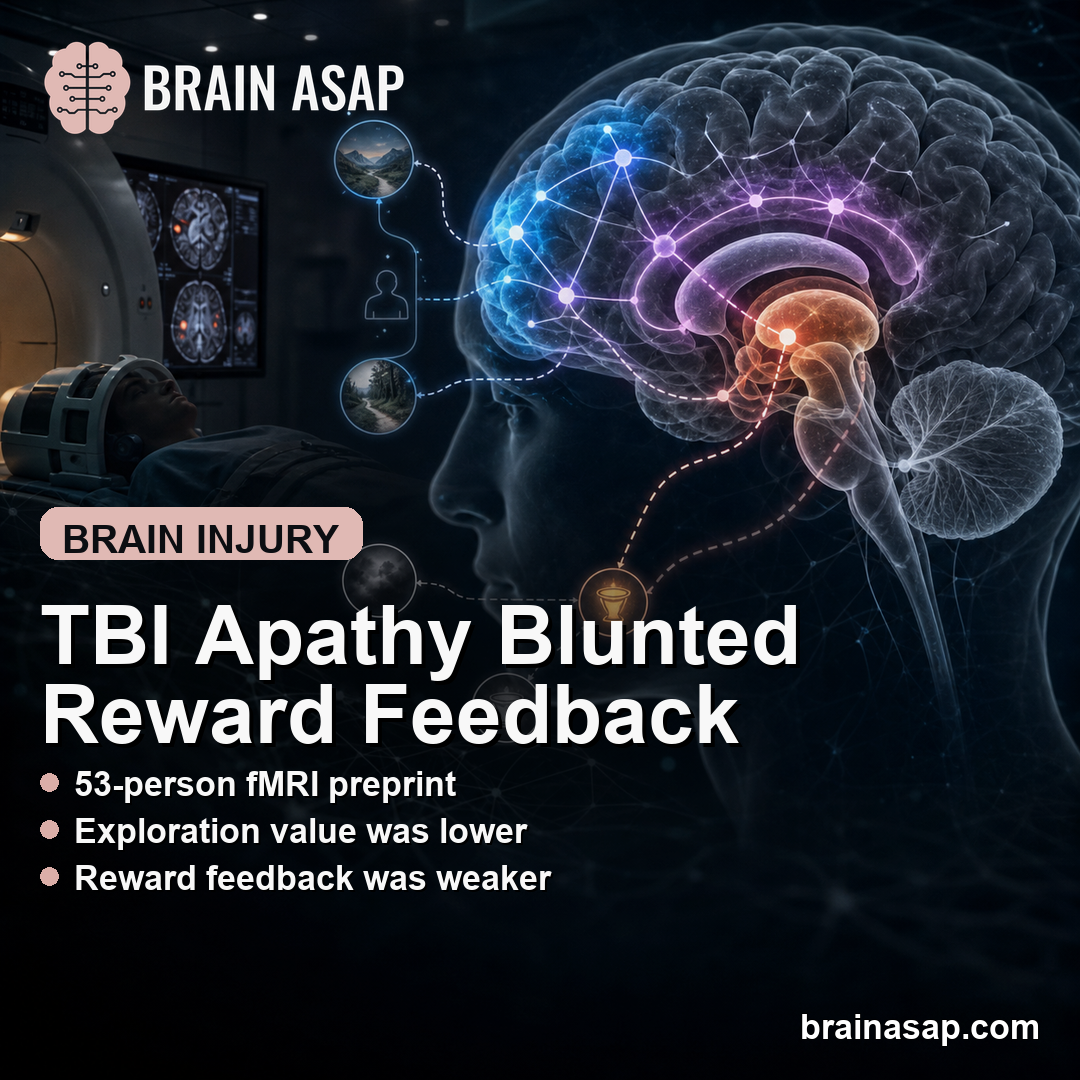
TBI Apathy Linked to Blunted Reward Prediction Error During Exploration

TL;DR: A 2025 medRxiv fMRI preprint linked higher apathy in both traumatic brain injury (TBI) and control groups to greater effort discounting, while TBI-related apathy was also associated with less exploratory decision-making and weaker neural encoding of differences between expected and received rewards. Key Findings 53-person fMRI sample: Researchers analyzed 34 people with chronic TBI …
Read more

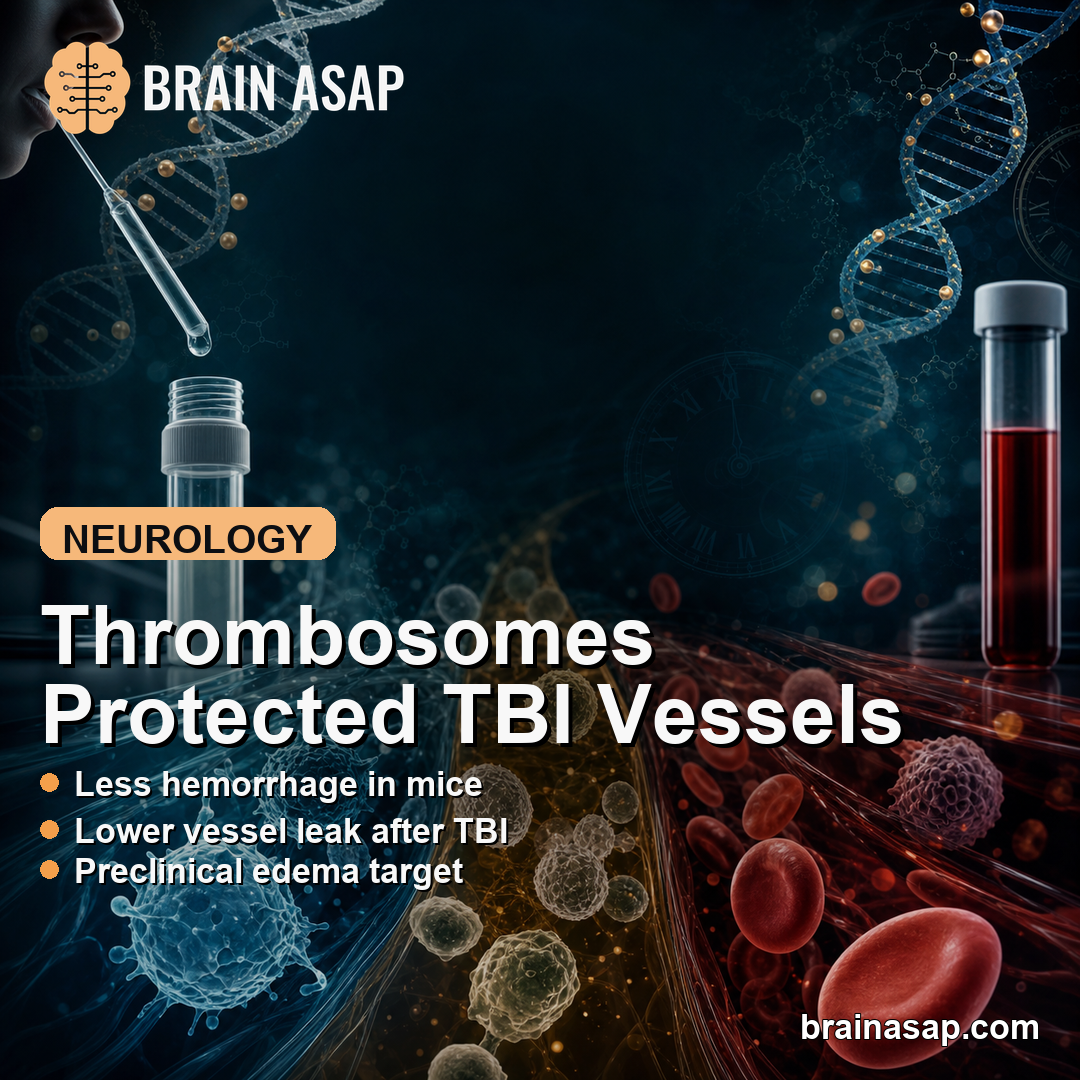
Thrombosomes Reduced Brain Bleeding and Vessel Leak After TBI in Mice

Thrombosomes Reduced Brain Bleeding and Vessel Leak After TBI in Mice

TL;DR: A 2026 mouse study in Blood found that Thrombosomes, a freeze-dried platelet-derived blood product, reduced bleeding, vessel leak, inflammation, and blood-brain-barrier disruption after traumatic brain injury. Key Findings Thrombosomes were tested after traumatic brain injury: the product is made from preserved platelet material and was originally designed for hemorrhage control. Treatment was given after …

Read more

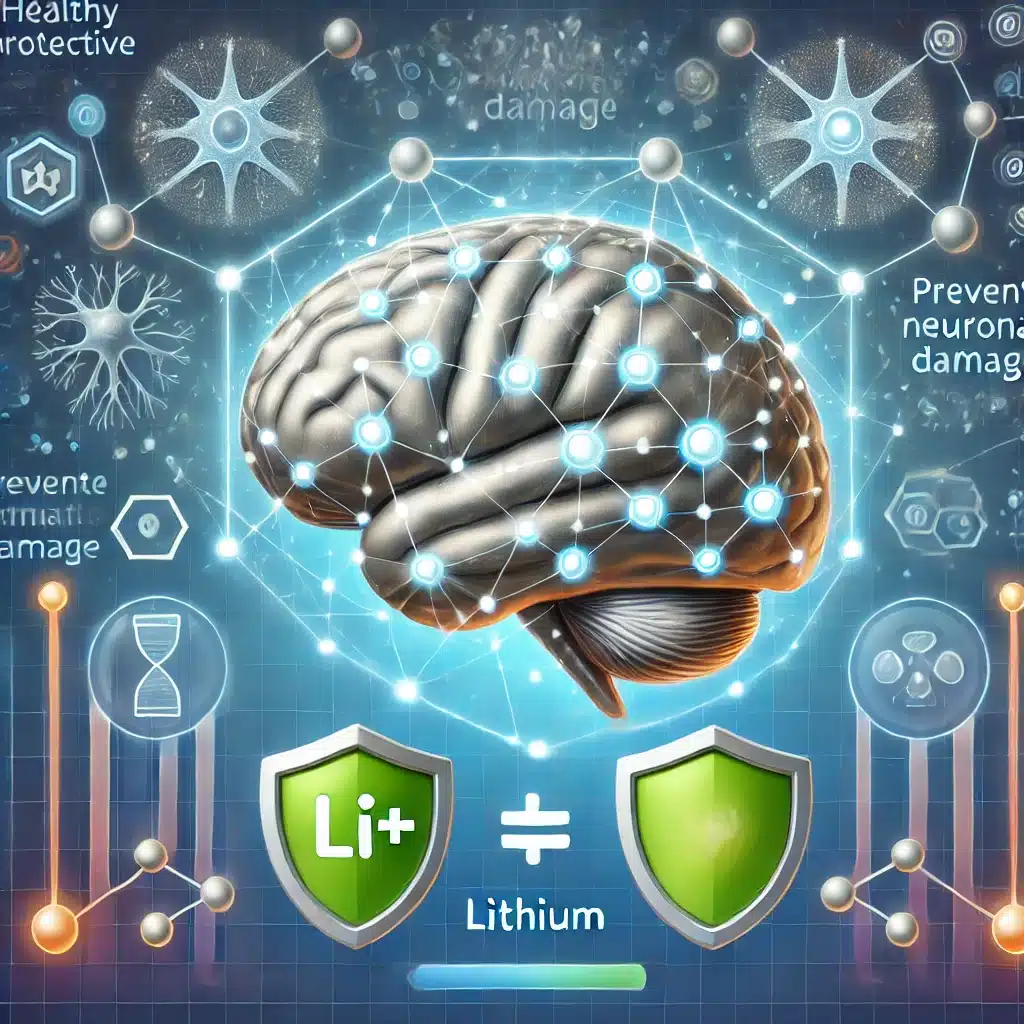
Lithium Appears Neuroprotective in Traumatic Brain Injury (TBI) (2024 Research)

Lithium shows promise in treating traumatic brain injury (TBI) by mitigating neuroinflammation, protecting against neuronal damage, and improving cognitive functions. Highlights: Neuroprotective Mechanisms: Lithium’s therapeutic effects involve complex molecular mechanisms including gene expression, neurotransmitter signaling, and circadian modulation, contributing to neuronal protection and recovery post-TBI. Targeted Brain Regions: Post-treatment, lithium concentrations are notably higher in …

Read more

TBI Risks in Military Occupations: Combat Roles More Vulnerable

Traumatic brain injury (TBI) has been called the “signature injury” of recent conflicts in Iraq and Afghanistan. TBIs are concerning because they can cause long-term issues like headaches, memory problems, and trouble thinking clearly. A new study looked at which military jobs put service members most at risk for TBIs. It found that certain combat-related …

Read more