
Cocaine Use Disorder (CUD) patients exhibit widespread gray matter atrophy, with specific brain volume deficits associated with crack-cocaine use and relapse outcomes. Highlights: Widespread Gray Matter Atrophy: CUD patients show significant gray matter volume…
Read article ↗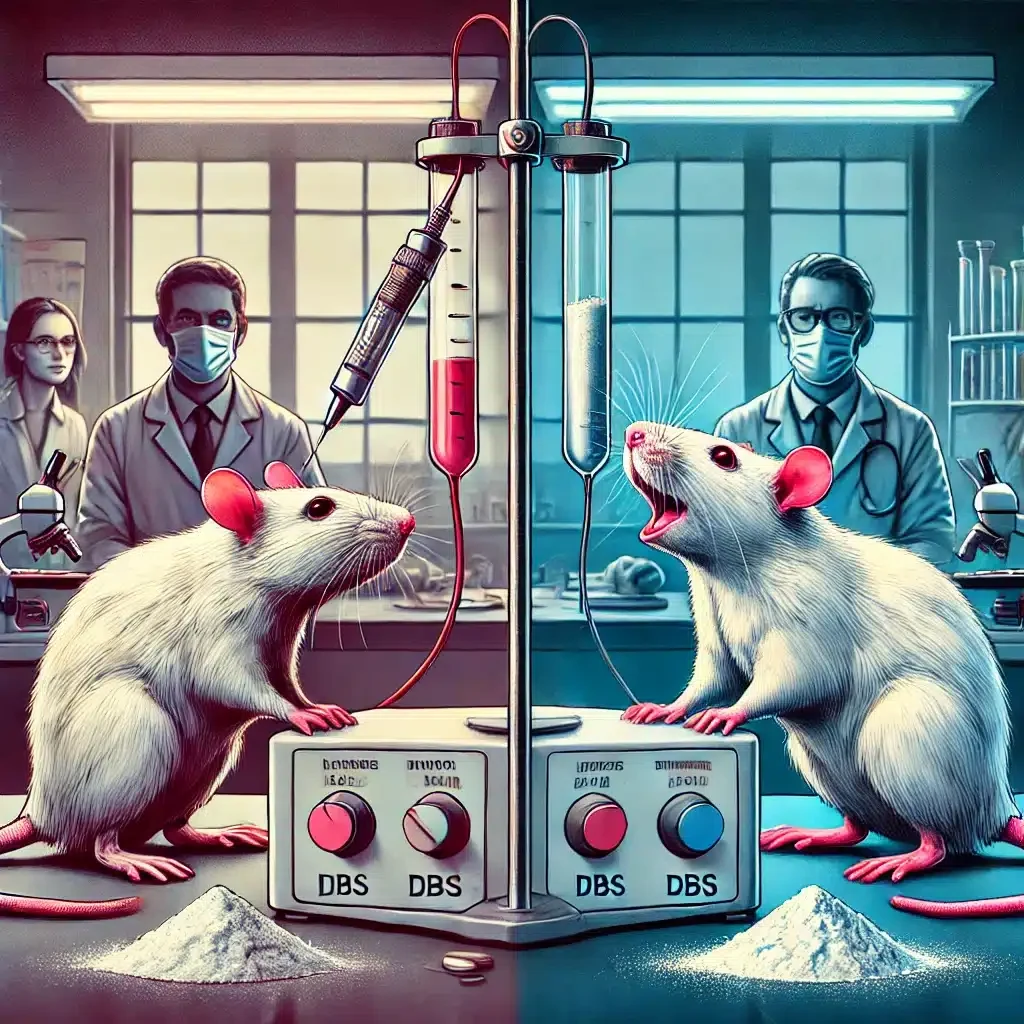
Deep brain stimulation (DBS) in the nucleus accumbens reduces cocaine seeking in male rats but is ineffective in female rats, regardless of their estrous cycle phase. Highlights: No FDA-Approved Treatments: There are currently no FDA-approved treatments for co…
Read article ↗
Cocaine abuse leads to dysfunction of brain dopamine systems and the development of addiction. New research identifies changes in the dopamine transporter as a driving force underlying cocaine addiction, and points to a novel way to reverse these detrimental e…
Read article ↗
Cocaine use can lead to significant structural changes and accelerated aging of the brain, according to a new study. Key findings include: Cocaine users showed widespread gray matter loss in areas involved in emotions, language, cognition and decision-making.…
Read article ↗
Researchers have tested an existing medication, modafinil, for treating cocaine addiction. The results show that modafinil can significantly reduce cocaine use, but its effectiveness depends on the situation and circumstances when cocaine is used. Key facts: M…
Read article ↗