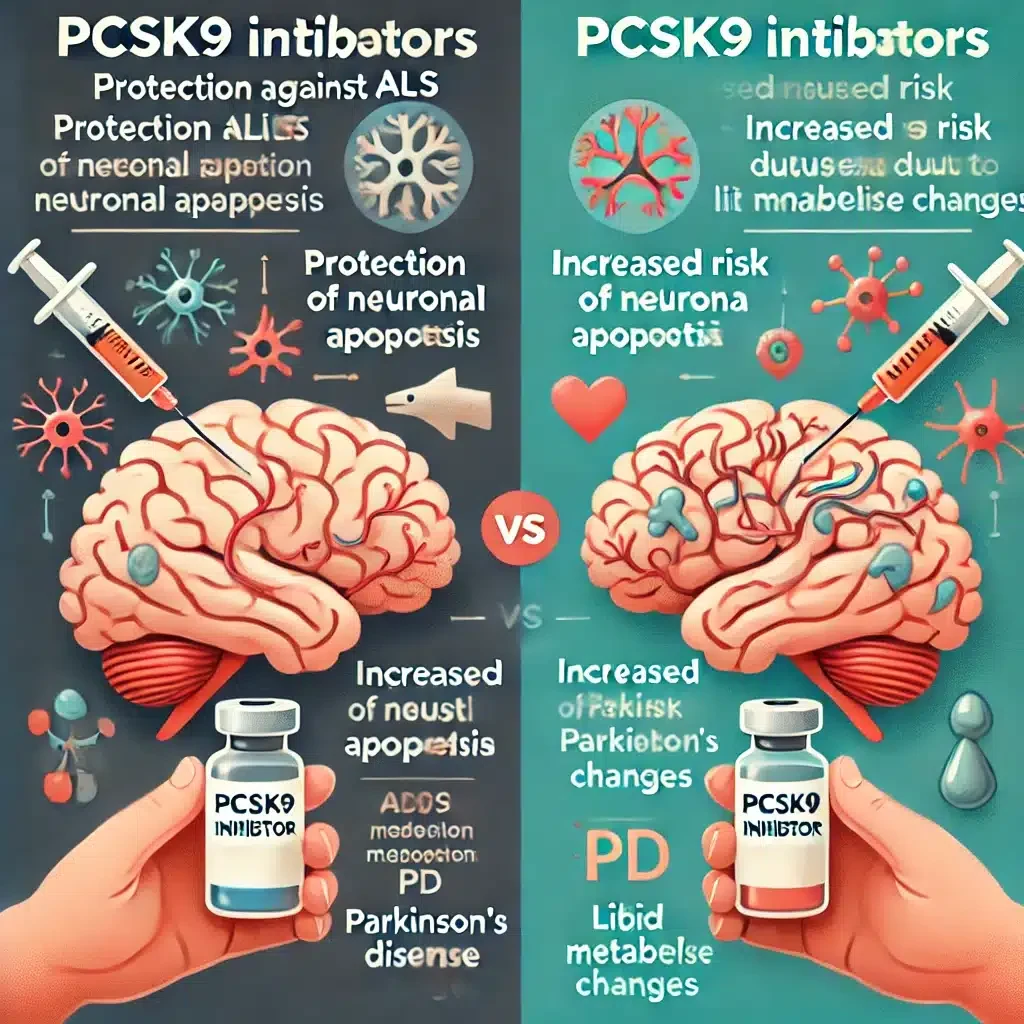
PCSK9 inhibitors significantly reduce the risk of amyotrophic lateral sclerosis (ALS) but increase the risk of Parkinson’s disease (PD). Highlights: ALS Risk Reduction: PCSK9 inhibitors marginally reduced the risk of ALS with an odds ratio of 0.89 (p = 0.048).…
Read article ↗
Lecanemab shows promise in treating Alzheimer’s disease by reducing clinical deterioration and amyloid-beta plaques, but it has significant adverse effects and requires further research for confirmation. Highlights: FDA Approval: The US FDA authorized lecanema…
Read article ↗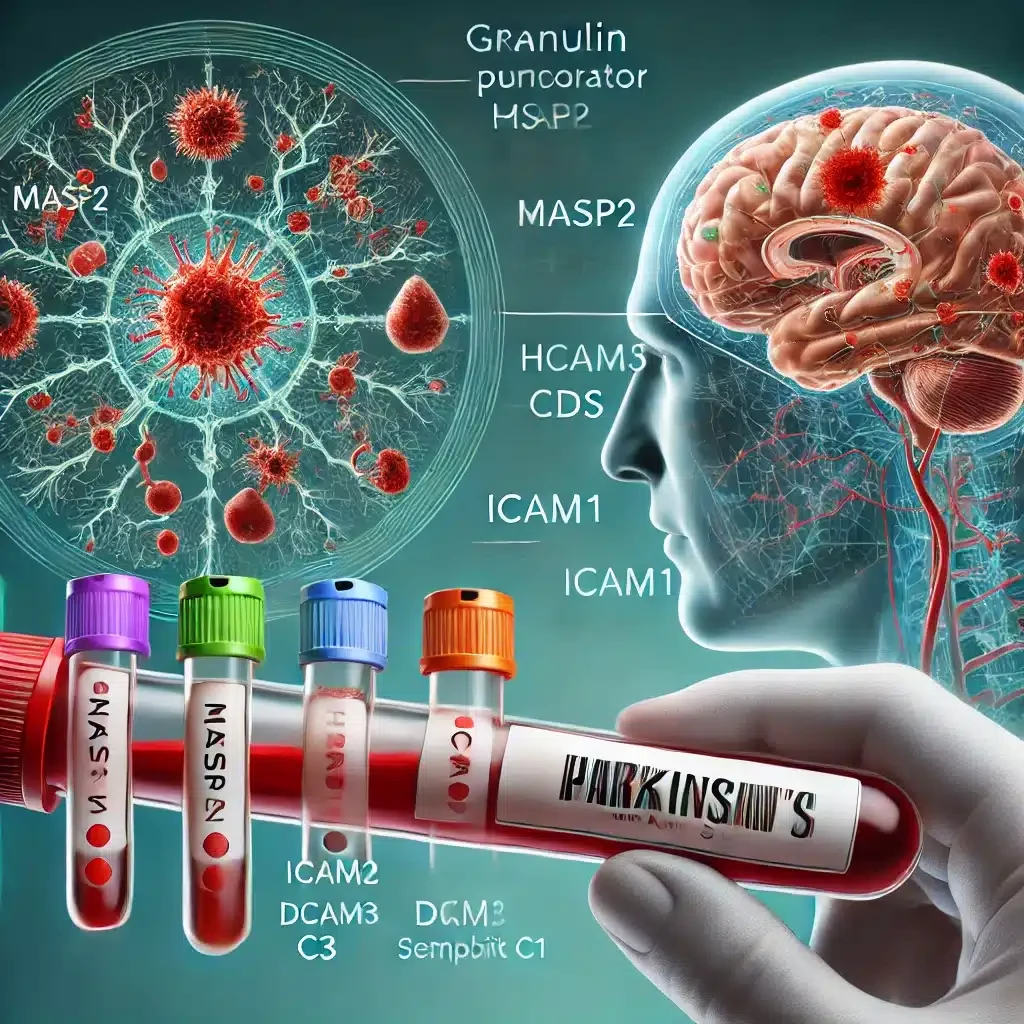
A study identified a panel of eight plasma biomarkers that can predict Parkinson’s disease up to seven years before motor symptoms appear. Highlights: Biomarker Panel: The study validated a panel of 8 proteins, including Granulin precursor and Complement C3, u…
Read article ↗
TLDR: Herpes zoster vaccination is linked to a lower risk of dementia, but more studies are needed to confirm this association. Highlights: Five high-quality studies involving 103,615 vaccinated patients were analyzed. Herpes zoster vaccination was associated…
Read article ↗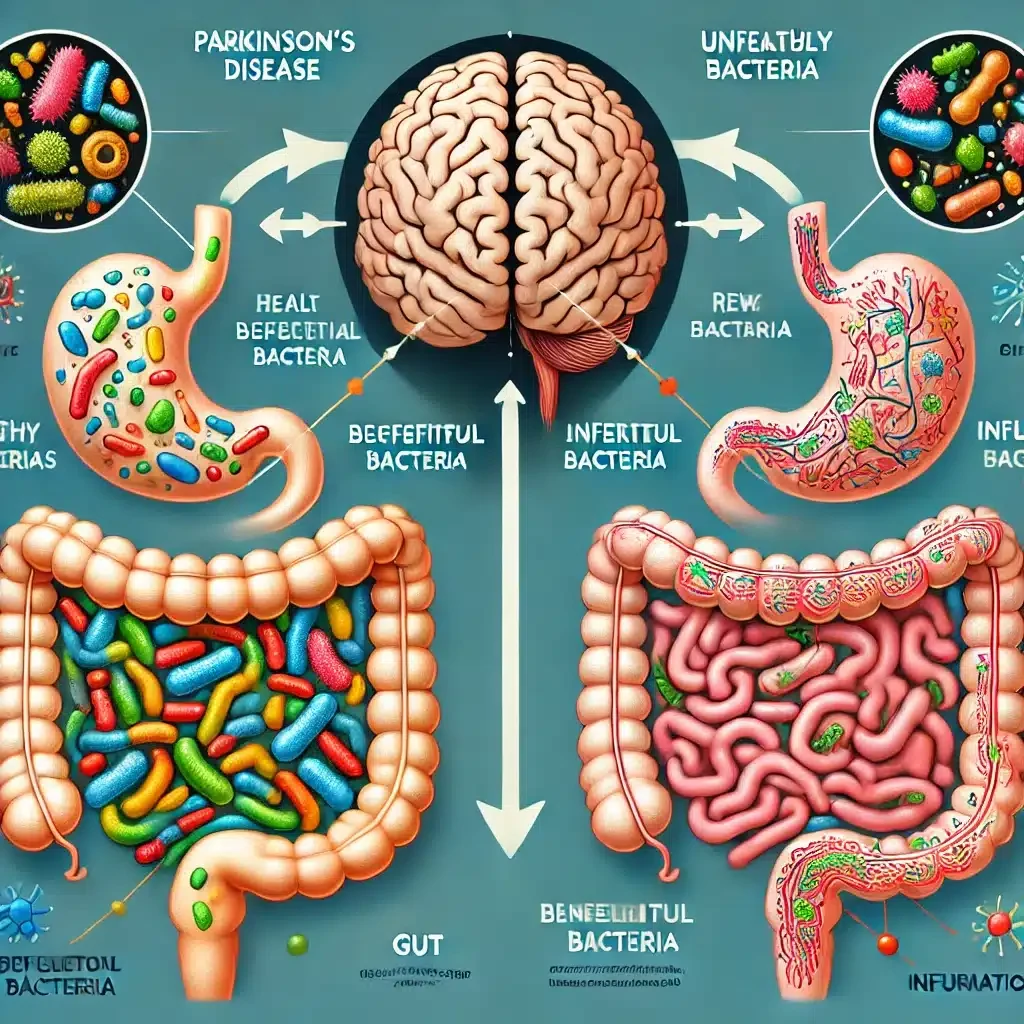
TLDR: A study identified specific gut microbial features in Parkinson’s disease (PD) across different countries, highlighting increased α-diversity, altered bacterial species, and decreased metabolites in PD patients. Highlights: Increased α-Diversity: The stu…
Read article ↗
TLDR: GLP-1 agonists were found to significantly reduce the risk of dementia in older individuals with type 2 diabetes mellitus (T2DM) compared to DPP-4 inhibitors and sulfonylureas. Highlights: A sequential trial emulation was conducted using data from Swedis…
Read article ↗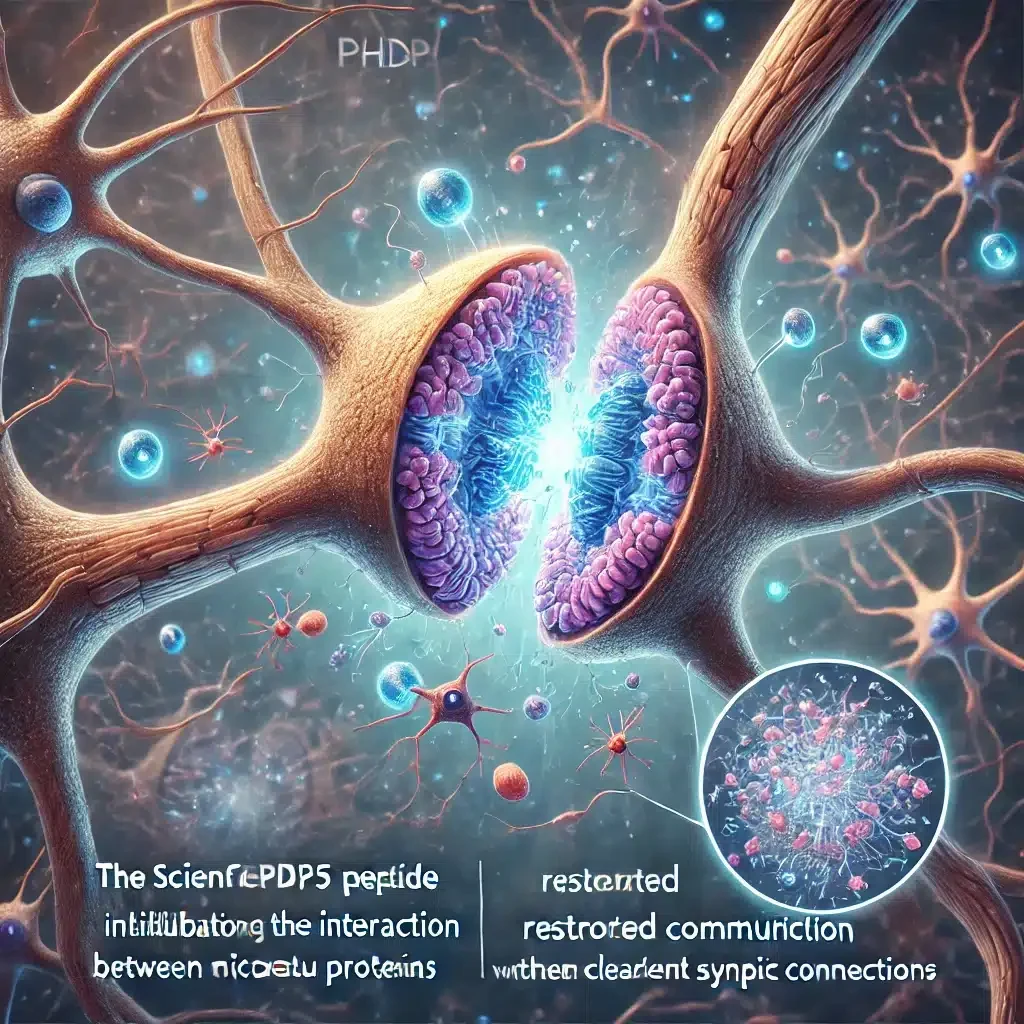
TLDR: Researchers demonstrated that intranasal administration of the peptide FITC-PHDP5-CPP reverses early cognitive impairment in Alzheimer’s disease (AD) model mice, showing potential as a treatment for AD-associated cognitive decline. Highlights: PHDP5, der…
Read article ↗
TLDR: This study provides evidence that high salt intake is causally associated with an increased risk of developing dementia, including Alzheimer’s disease (AD) and undefined dementia. Highlights: Causal Association: High salt intake is significantly associat…
Read article ↗
New research reveals that people with a history of methamphetamine dependence face a startling elevated risk of developing Parkinson’s disease or related movement disorders later in life. Key Facts: Individuals dependent on methamphetamine had almost 3 times t…
Read article ↗
Alzheimer’s disease continues to destroy minds, but new gene editing techniques like CRISPR offer hope for better understanding and treating this devastating illness. Key Facts: Alzheimer’s disease is a complex, poorly understood neurodegenerative disorder aff…
Read article ↗