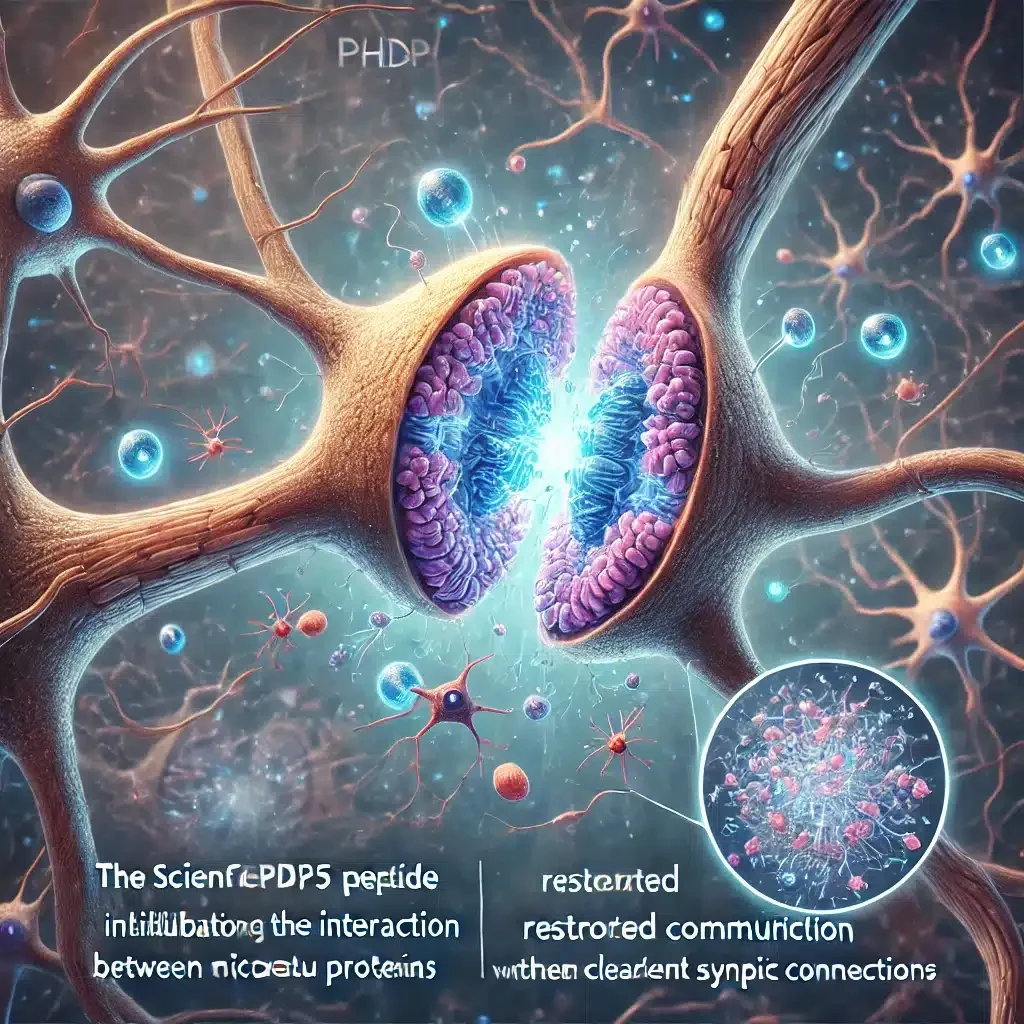
TLDR: Researchers demonstrated that intranasal administration of the peptide FITC-PHDP5-CPP reverses early cognitive impairment in Alzheimer’s disease (AD) model mice, showing potential as a treatment for AD-associated cognitive decline. Highlights: PHDP5, der…
Read article ↗
TLDR: This study provides evidence that high salt intake is causally associated with an increased risk of developing dementia, including Alzheimer’s disease (AD) and undefined dementia. Highlights: Causal Association: High salt intake is significantly associat…
Read article ↗
A recent case report describes a 34-year old man who developed a rare form of early onset dementia after two years of heavy marijuana use. While concerning, experts say more research is needed to understand the potential risks of cannabis on the developing bra…
Read article ↗
Trouble sleeping may raise your risk of dementia later in life, according to a new 19-year study of over 22,000 middle-aged and older adults in Sweden. Both insomnia symptoms and shorter sleep were linked to higher chances of developing dementia down the road.…
Read article ↗
Researchers have uncovered an important new mechanism that causes inflammation and damage to the brain’s white matter in Alzheimer’s disease. This discovery about how brain cells called microglia die could lead to new Alzheimer’s treatments. Key Facts: The stu…
Read article ↗
A new large genetics study has discovered new clues into how levels of a protein called apolipoprotein E (ApoE) in the blood may influence a person’s risk of developing Alzheimer’s disease. Key facts: Researchers found 9 new genetic variants that influence Apo…
Read article ↗
Summary: A new study reveals how certain genes and education levels impact Alzheimer’s disease risk, even in individuals destined to develop dementia. Key facts: The APOE gene influences Alzheimer’s onset in people with a genetic mutation causing early-onset A…
Read article ↗