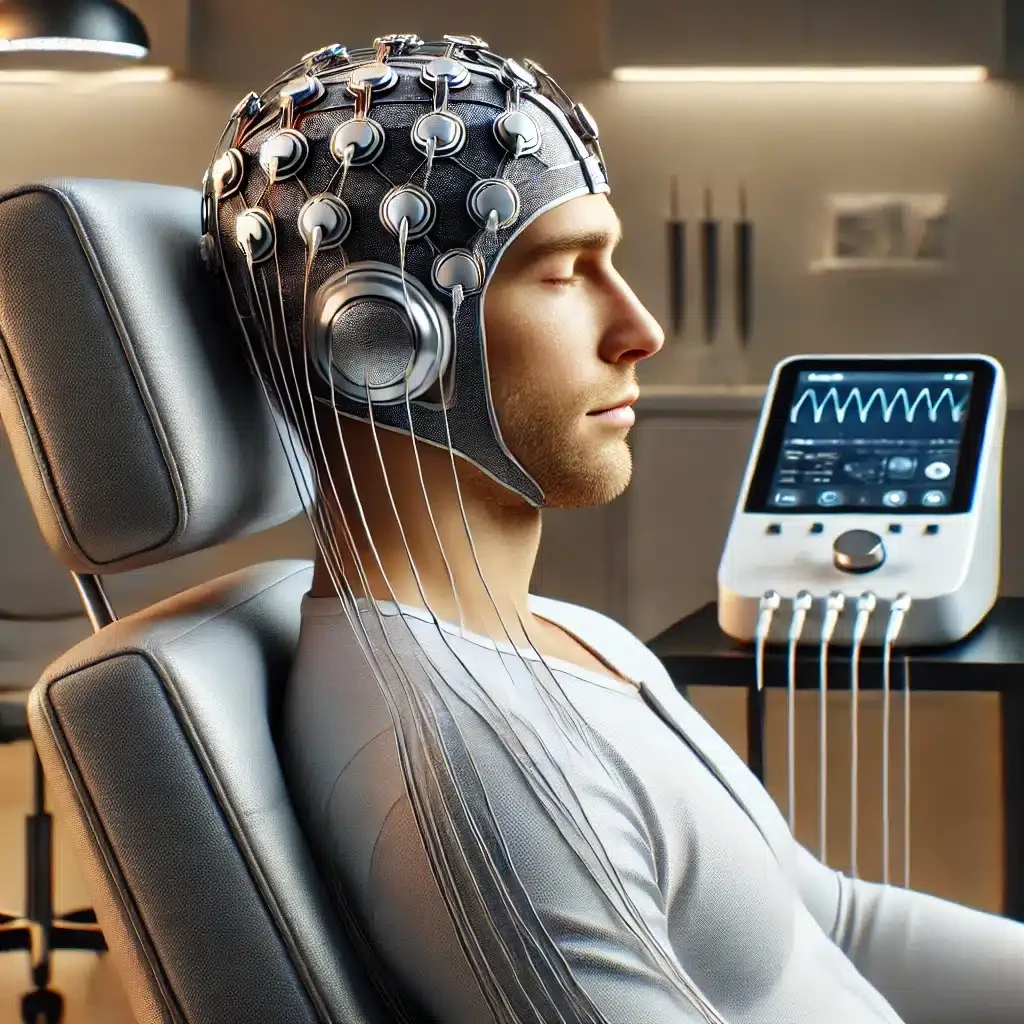
Adding transcranial alternating current stimulation (tACS) to antidepressant treatment improves depression symptoms more effectively than using antidepressants alone. Highlights: Enhanced Efficacy: tACS combined with antidepressants significantly reduces depre…
Read article ↗
A study examined the effects of ketamine on sleep arousal metrics in individuals with treatment-resistant depression (TRD) vs. healthy volunteers, finding that ketamine increases certain sleep-related brain activities but does not significantly mediate its ant…
Read article ↗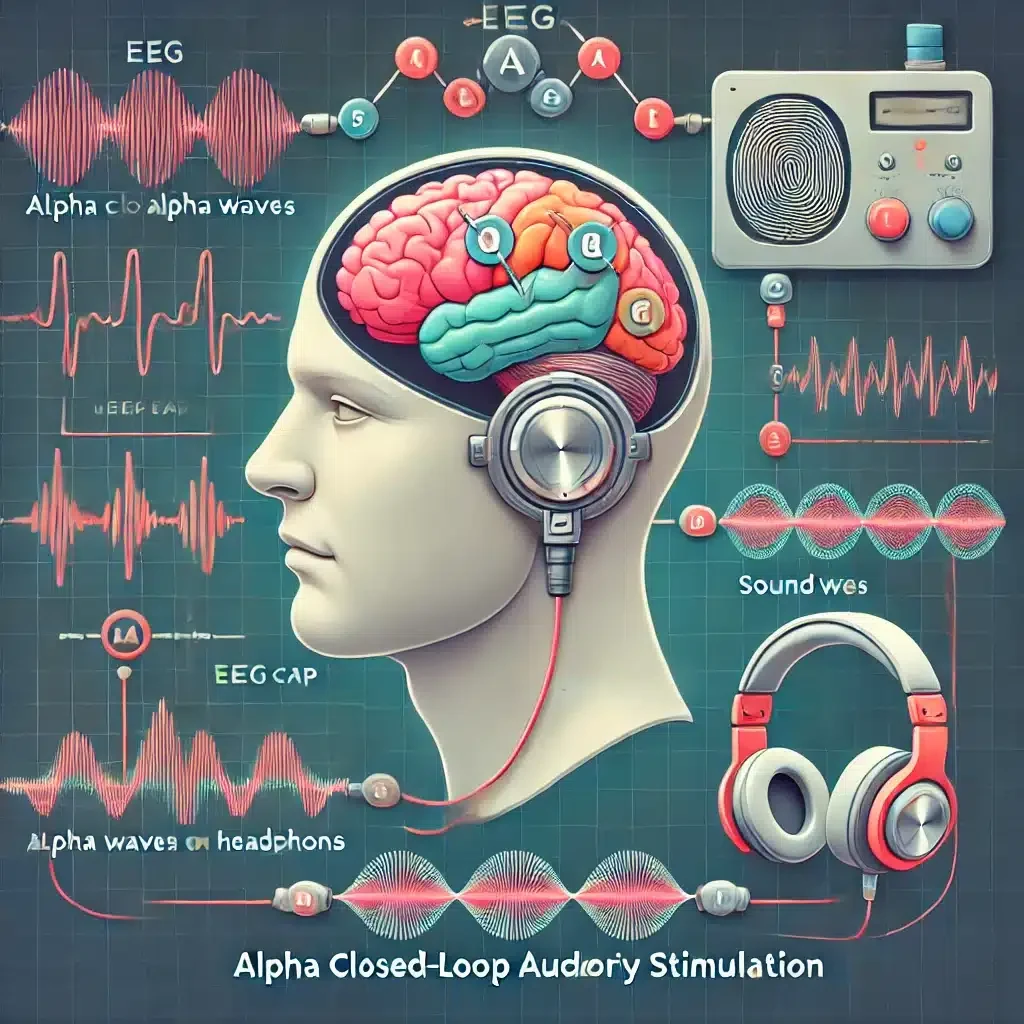
TLDR: A new method using sound to influence brain waves can help manage brain activity and affect how we fall asleep. Highlights: How It Works: This method, called Alpha Closed-Loop Auditory Stimulation (αCLAS), uses sound pulses timed precisely to brain waves…
Read article ↗
The brain’s ability to inhibit unwanted thoughts and actions is crucial for self-control and mental health. New research provides fascinating insights into how low-frequency alpha brain waves and default mode networks are associated with individual differences…
Read article ↗
Resilience is key to coping with life’s stressors, but how it works in the brain is still being unraveled. A new study provides evidence that resilience involves distinct brain processes depending on whether someone is depressed or not. Key Facts: Resilience w…
Read article ↗
Researchers have found that individually tailoring brainwave training to each person can enhance cognitive abilities like memory and attention. Through just 10 hours of practice over 2 days, participants were able to increase their peak “alpha” brainwave frequ…
Read article ↗
A new study finds that drinking a small amount of caffeine in the morning may improve alertness, memory, and attention in healthy young men. The caffeine dose was equivalent to about one cup of coffee. Key Facts: 25 healthy young men drank either a placebo or…
Read article ↗