C9orf72 Myeloid Cells Restrained Microbial Inflammation TL;DR: A gut-microbe signal called bacterial glycogen triggered damaging inflammation when C9orf72-deficient immune cells could not restrain it, linking an ALS/FTD gene to gut-brain immune control. Key Fi…
Read article ↗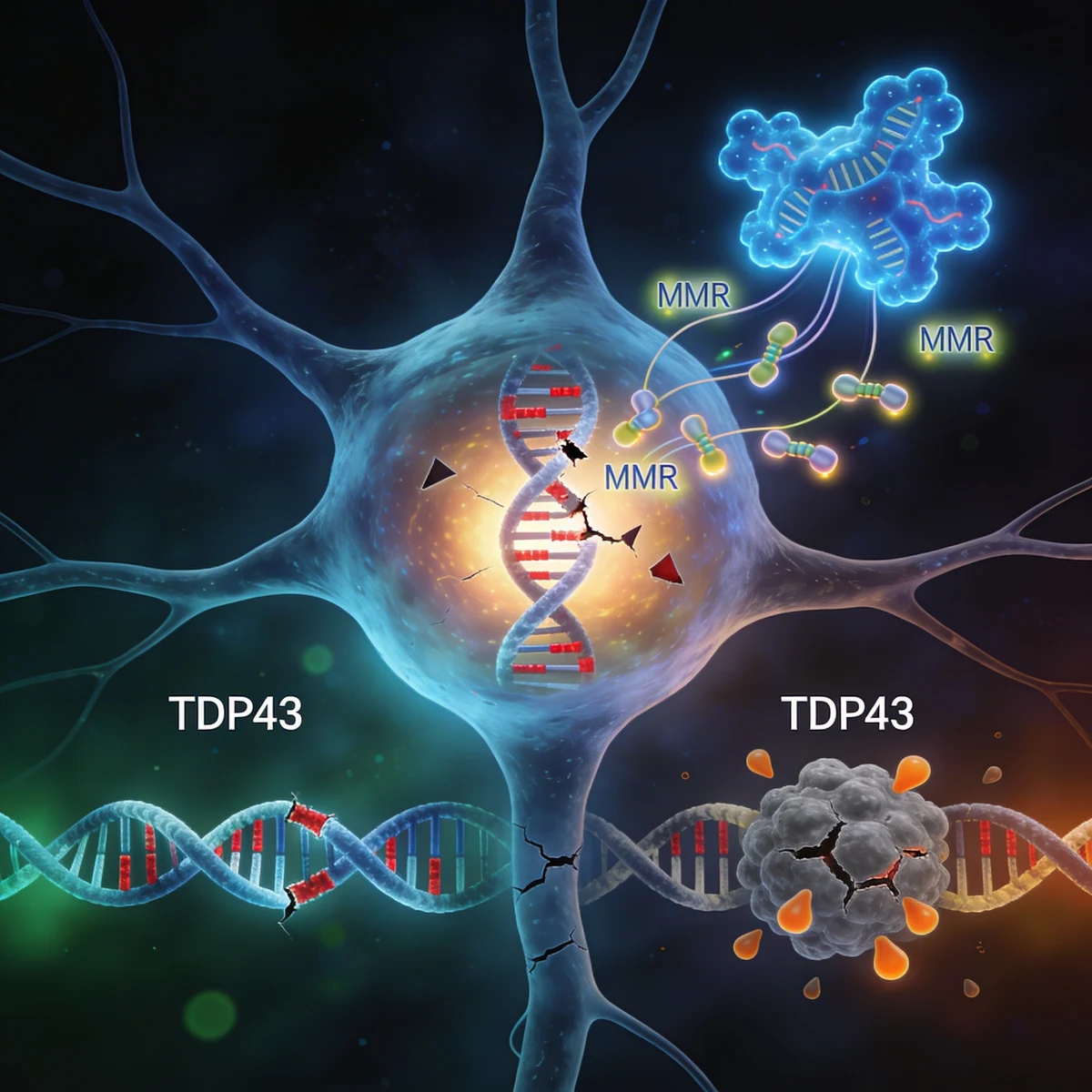
The Broken Repair Crew: How TDP43 Sabotages Genome Stability TL;DR: TDP43, the protein that misfires in ALS and FTD, secretly controls DNA repair genes—and when it breaks, mutations pile up in neurons, potentially explaining both neurodegeneration and the canc…
Read article ↗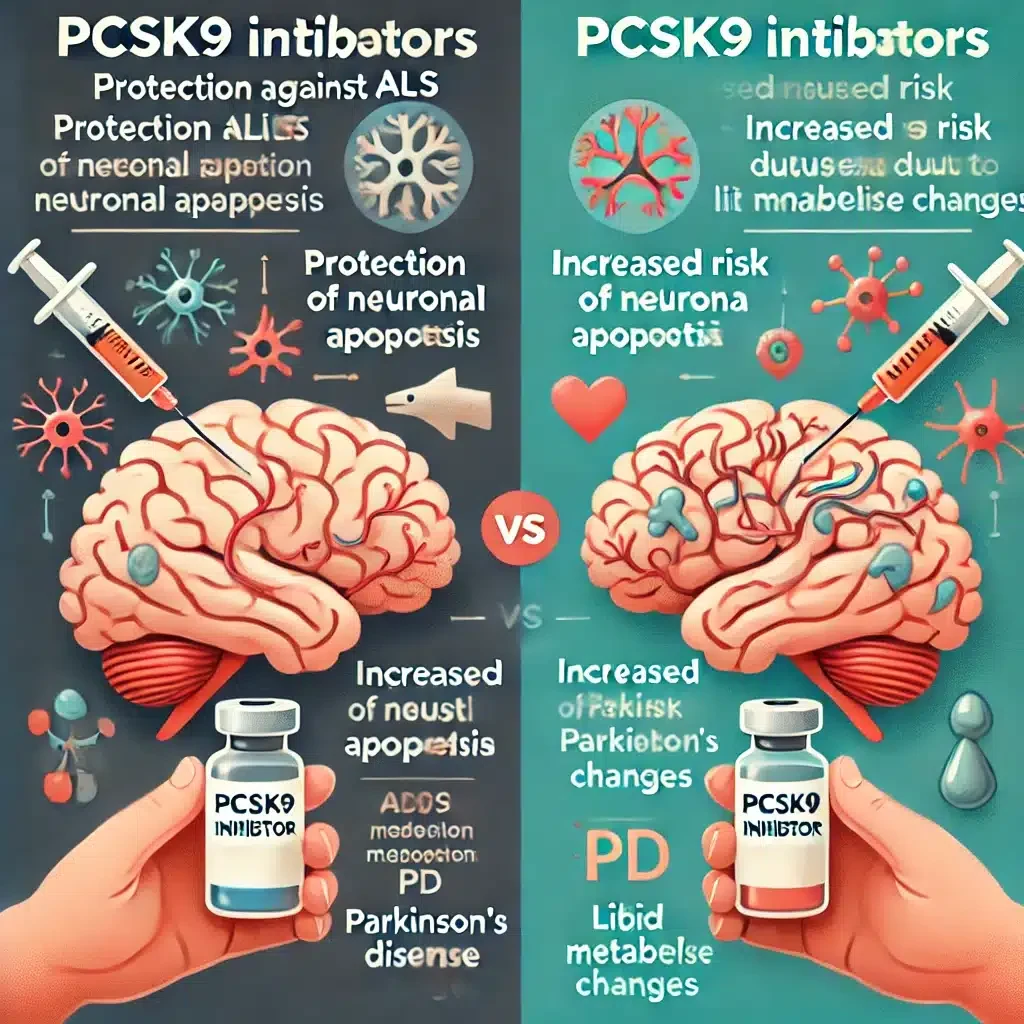
PCSK9 inhibitors significantly reduce the risk of amyotrophic lateral sclerosis (ALS) but increase the risk of Parkinson’s disease (PD). Highlights: ALS Risk Reduction: PCSK9 inhibitors marginally reduced the risk of ALS with an odds ratio of 0.89 (p = 0.048).…
Read article ↗