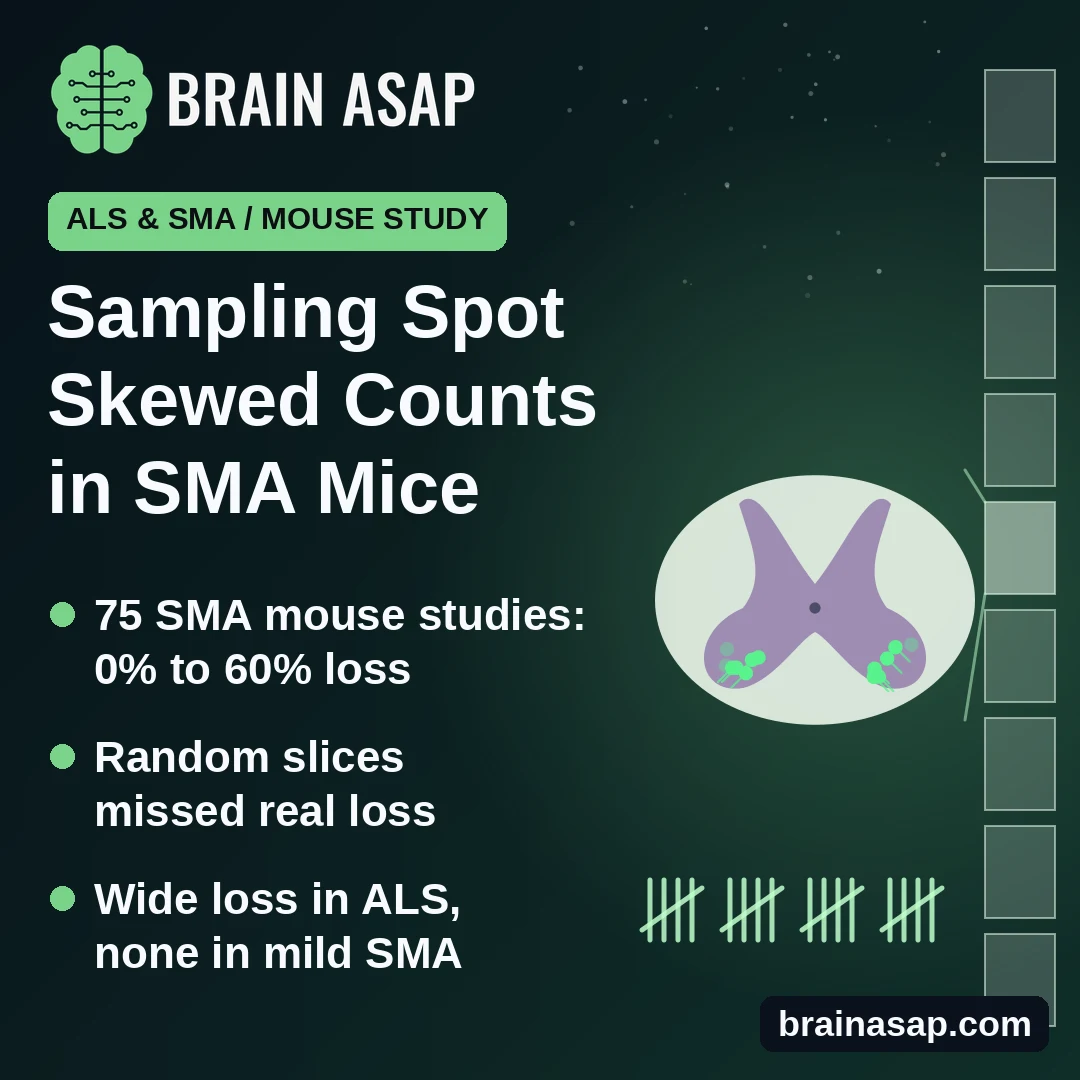
TL;DR: Mouse studies of spinal muscular atrophy have reported anywhere from no loss to 60% loss of motor neurons, and a German-American team found that which slice of spinal cord gets counted explains much of that spread. Counting the right segments with a rel…
Read article ↗
TL;DR: A 2026 preprint on medRxiv found that blood tau markers and neurofilament light tracked different parts of amyotrophic lateral sclerosis (ALS), with tau markers linked more to current lower-motor-neuron and muscle-injury features while neurofilament lig…
Read article ↗
TL;DR: A 2026 study in Nature Communications found that proteotoxic stress can push neurons into karyoptosis, a cell-death pathway marked by nuclear lamina breakdown, nuclear-material expulsion, and dementia-linked tissue signatures. Key Findings Karyoptosis w…
Read article ↗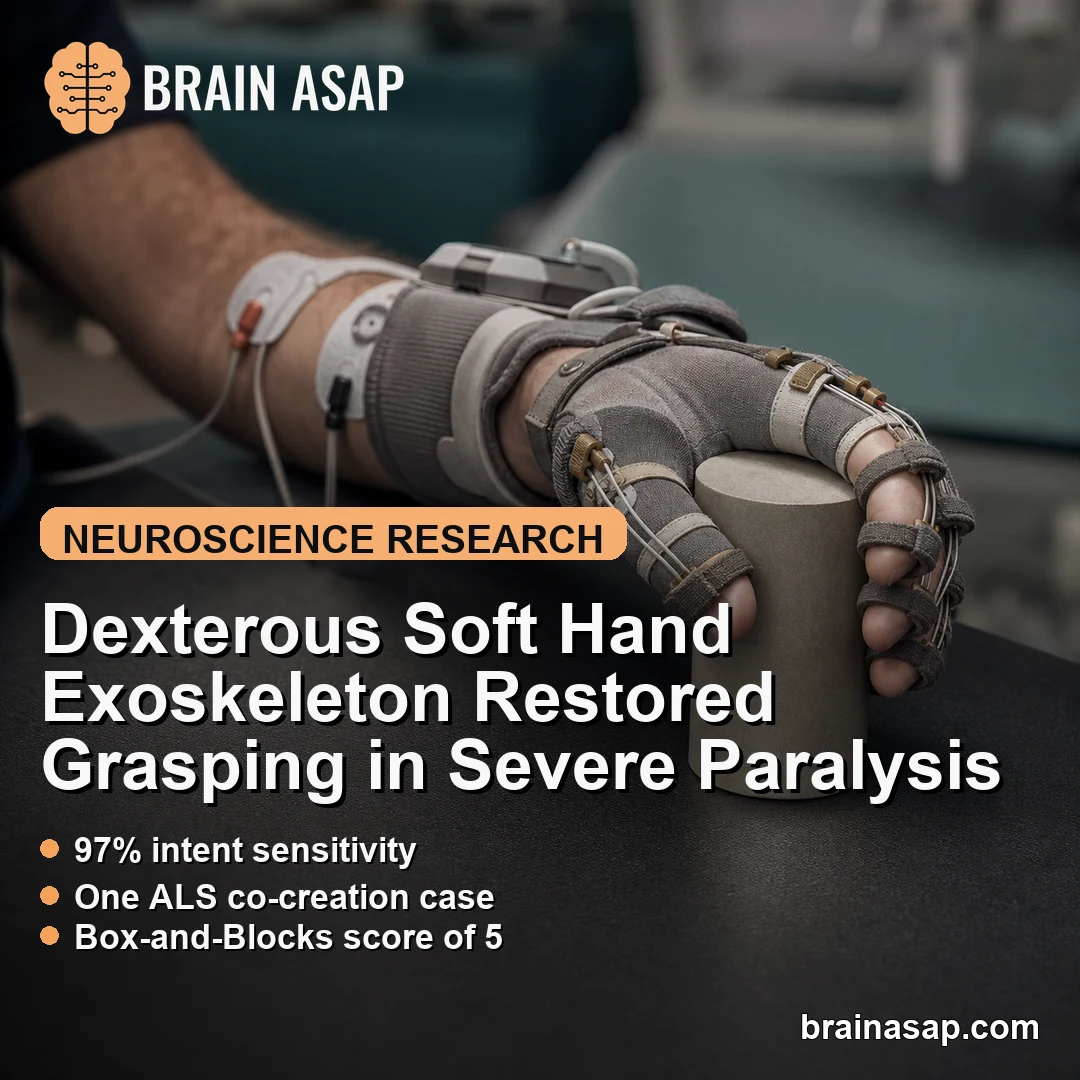
TL;DR: A 2026 study in Nature Machine Intelligence reported that a textile soft hand exoskeleton with thumb control and surface electromyography (sEMG) intent detection restored practical grasping in one person with severe ALS-related hand paralysis and helped…
Read article ↗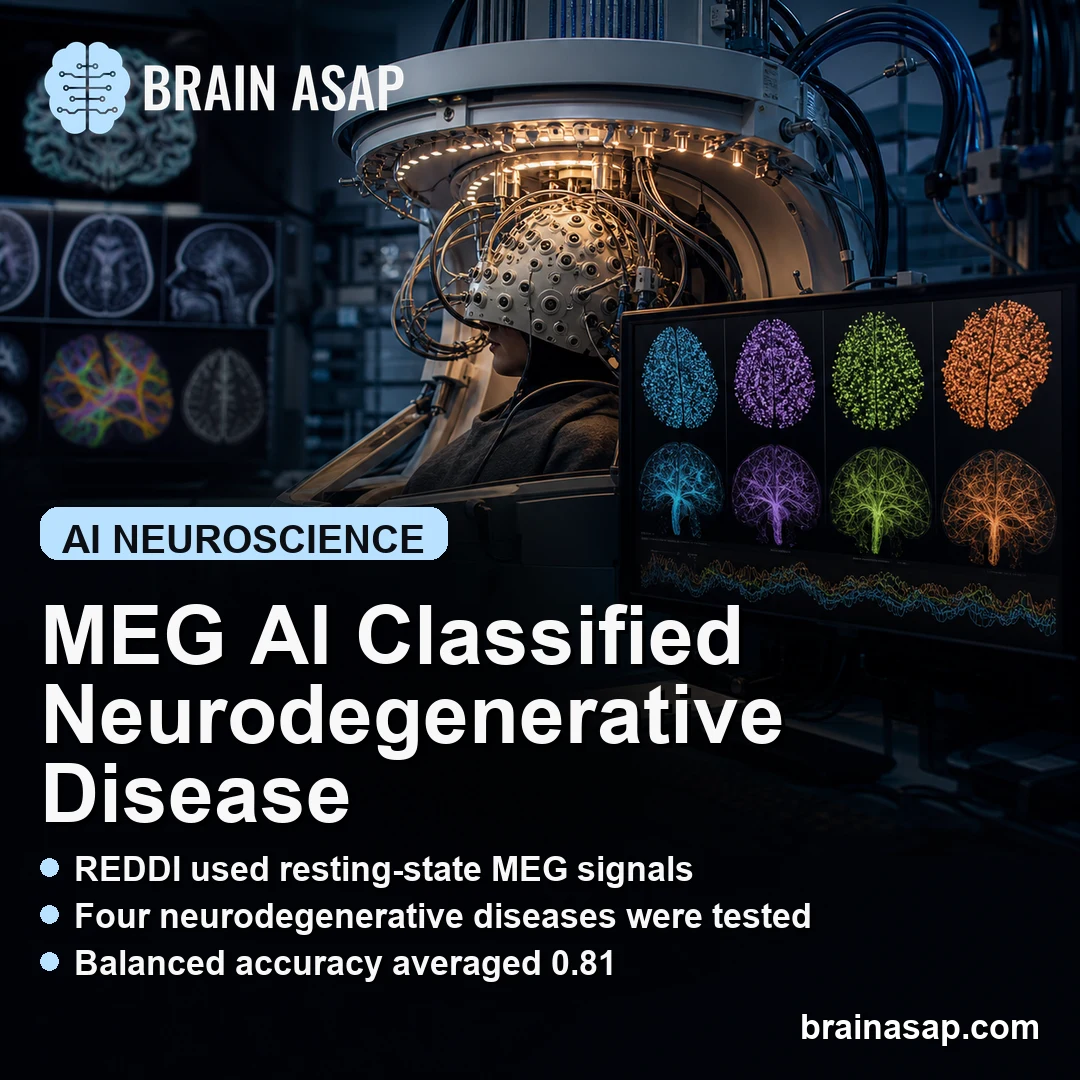
TL;DR: A 2026 preprint in medRxiv reported that REDDI, an interpretable AI pipeline using resting-state magnetoencephalography (MEG), classified four neurodegenerative diseases with mean balanced accuracy of 0.81. Key Findings The dataset covered four disease…
Read article ↗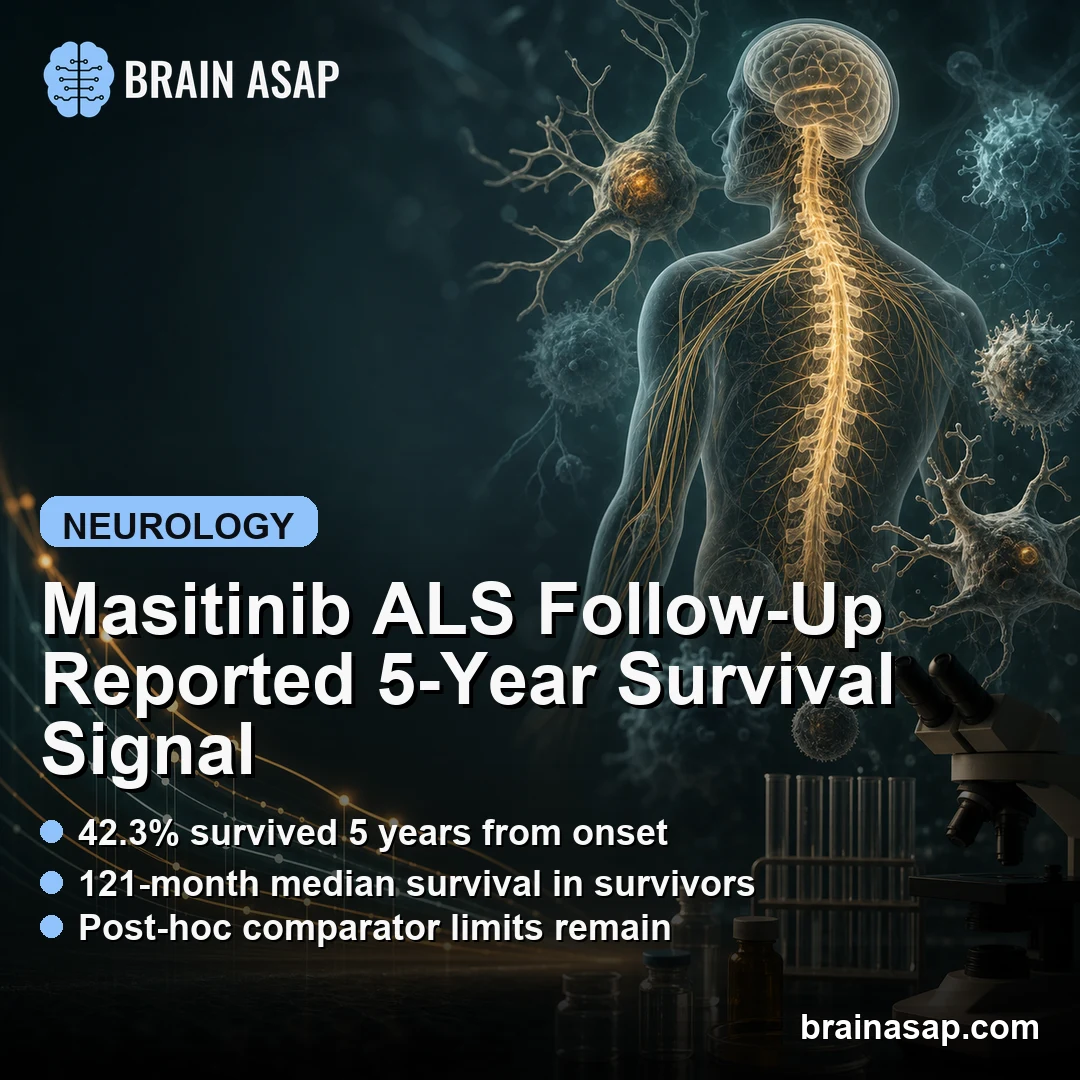
TL;DR: A 2026 medRxiv preprint reanalyzed long-term survivors from the AB10015 ALS trial and reported that masitinib-treated patients had higher 5-year survival than historical benchmarks, but the analysis was post hoc, sponsor-supported, and lacked long-term…
Read article ↗
TL;DR: A 2026 Reviews in the Neurosciences review argues that glycolysis, the cell pathway that turns glucose into usable energy and lactate, is a disease-shaping process across Alzheimer’s disease, Parkinson’s disease, ALS, Huntington’s disease, Wilson diseas…
Read article ↗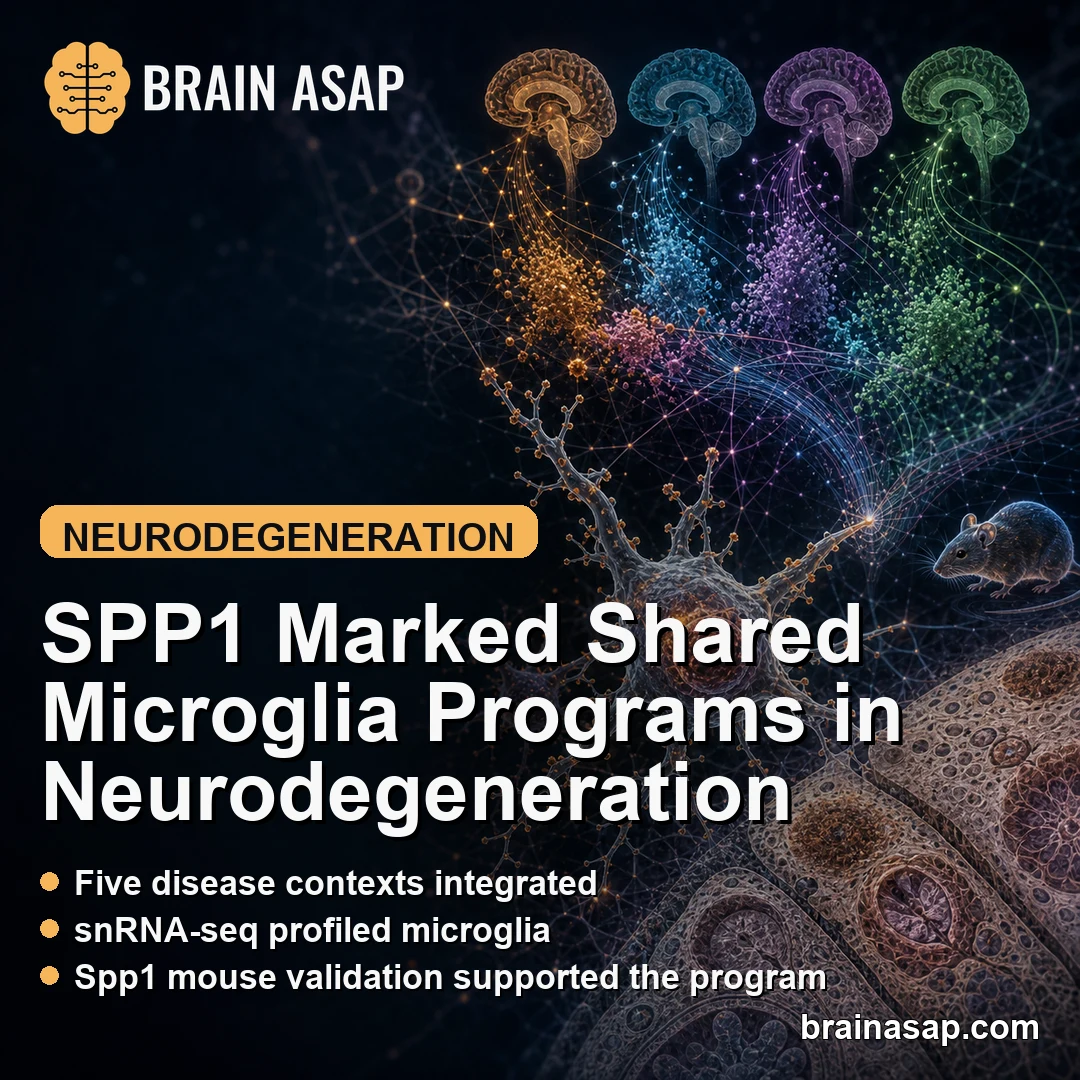
TL;DR: A 2026 study in Glia used human single-nucleus RNA sequencing datasets and mouse validation to identify a shared neurodegeneration-linked microglial transcription program, highlighting SPP1 as a disease-associated microglia marker. Key Findings Five dis…
Read article ↗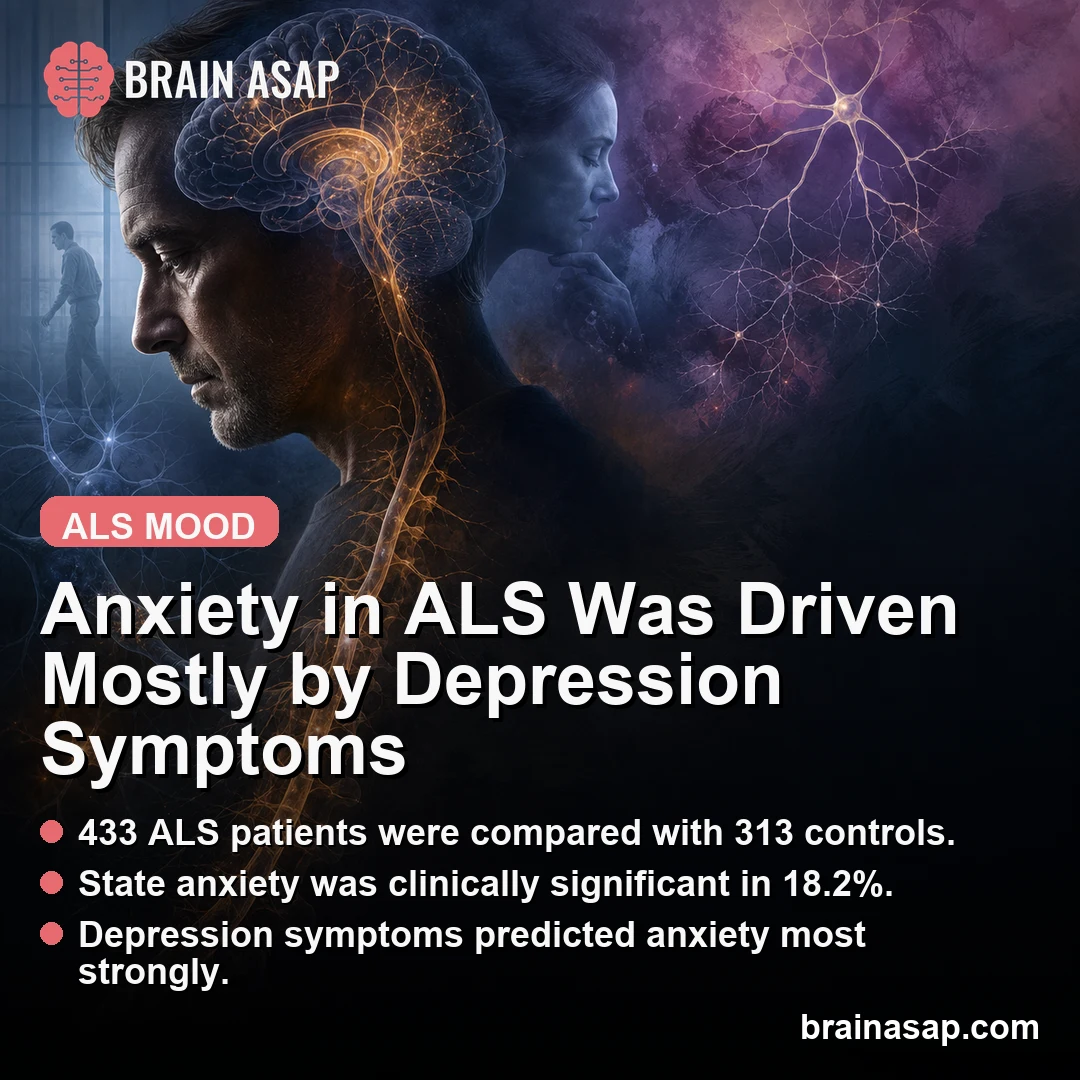
TL;DR: A 2026 BJPsych Open study found clinically significant anxiety in about 18% of non-demented ALS patients for state anxiety and 14% for trait anxiety, with anxiety scores driven mainly by cognitive-affective depression symptoms rather than motor severity…
Read article ↗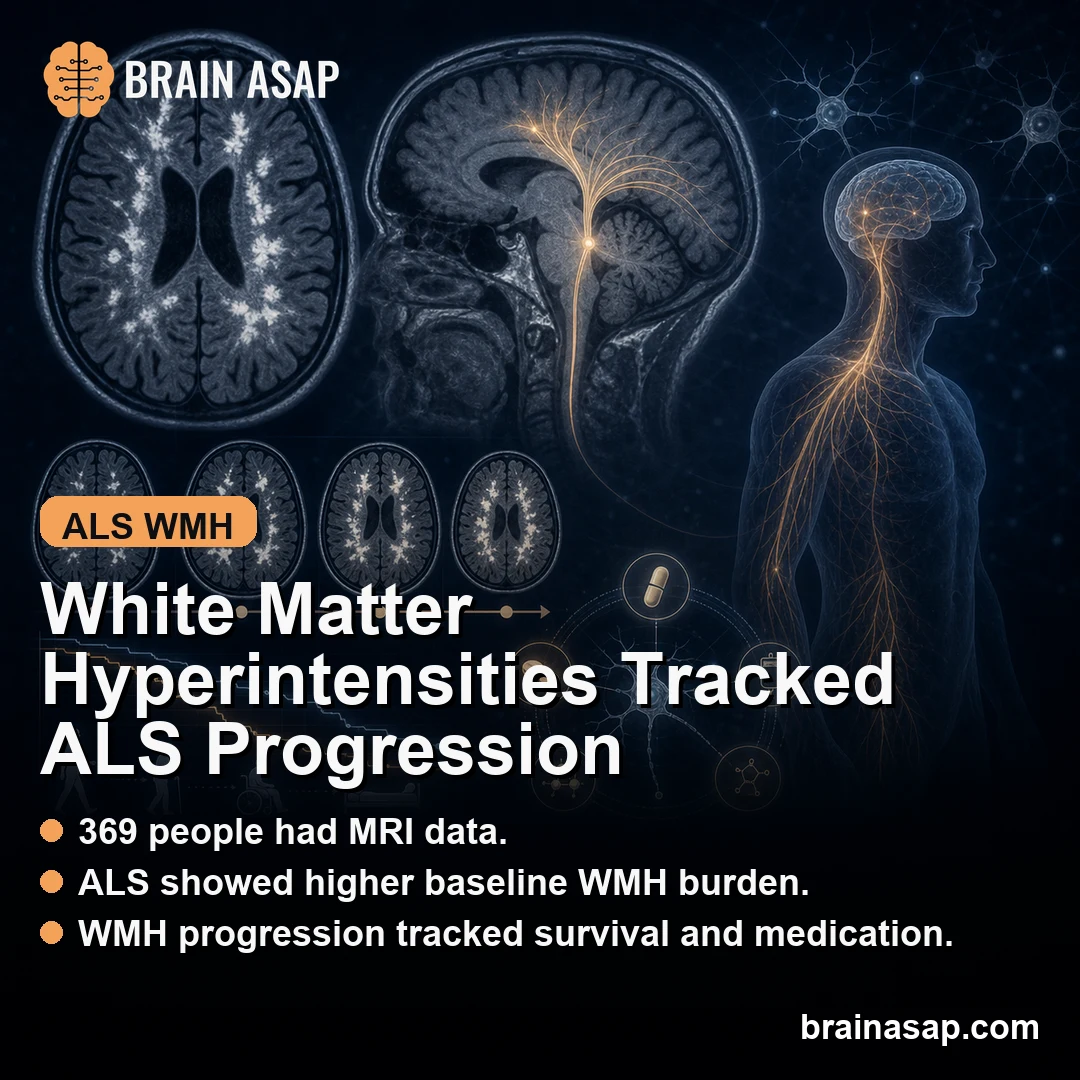
TL;DR: A 2026 medRxiv preprint found that white matter hyperintensity (WMH) burden, the amount of MRI-visible white-matter injury, was greater and progressed faster in amyotrophic lateral sclerosis (ALS), with progression tied to worse motor and cognitive scor…
Read article ↗