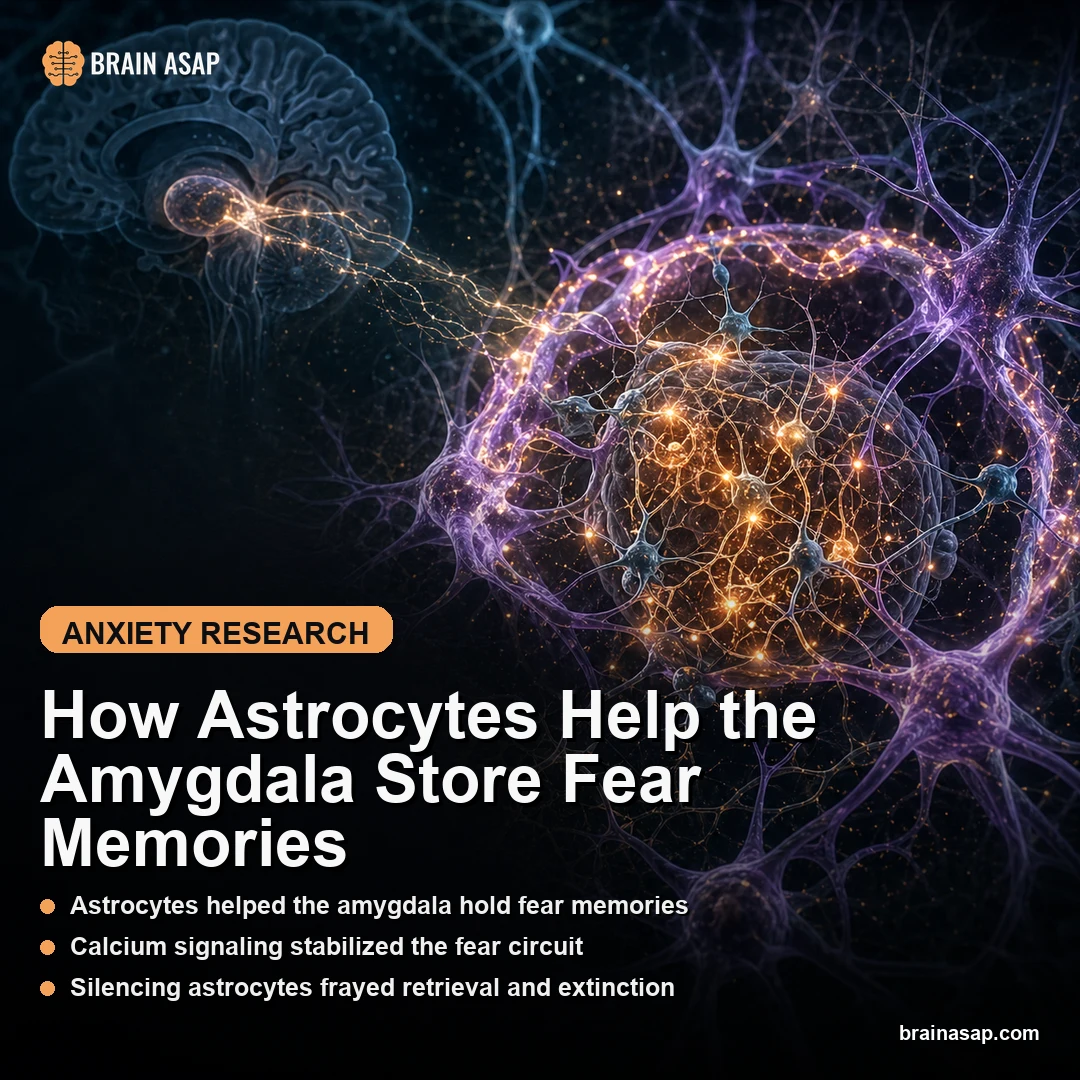
How Astrocytes Help the Amygdala Store Fear Memories TL;DR: Amygdala astrocytes were not passive support cells: their calcium signals tracked learned fear states and were required for neuronal fear-memory representations in mice. Key Findings In vivo BLA imagi…
Read article ↗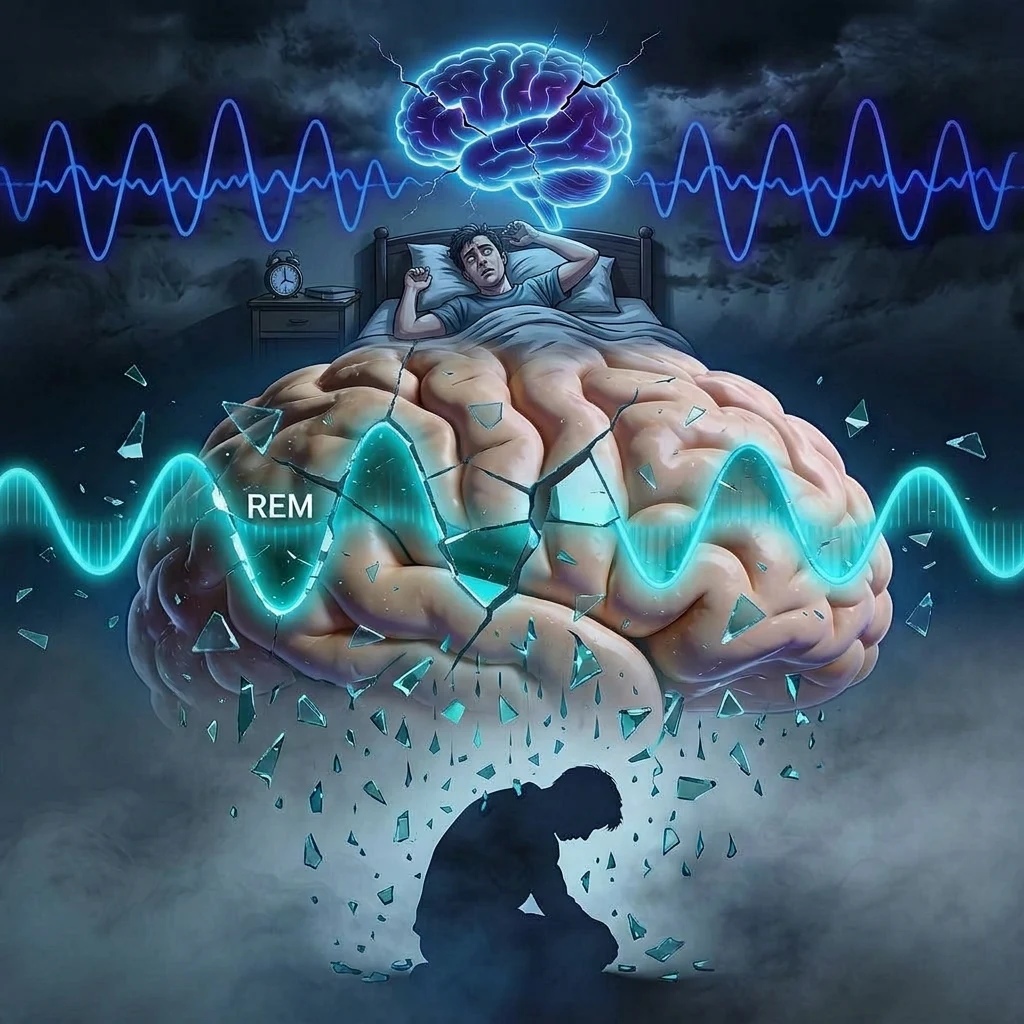
The Brain That Won’t Shut Down: How Fragmented REM Sleep Breeds Depression TL;DR: Chronic insomnia fragments REM sleep through persistent hyperarousal, preventing emotional memory consolidation and creating a vicious cycle that breeds depression—but cognitive-…
Read article ↗
Antidepressant treatment in OCD is linked to structural and functional brain changes, particularly in corticosubcortical areas, but these findings need further validation in larger, more homogeneous samples. Highlights: Antidepressant Use: Antidepressants, esp…
Read article ↗
Researchers have found that repeated low doses of amphetamine can alter reward and motivation circuits in the human brain. The changes mirror what is seen in addiction and schizophrenia. Key Facts: Healthy volunteers received 4 doses of a low 20mg dose of amph…
Read article ↗
Social anxiety disorder (SAD), one of the most common anxiety disorders, is characterized by an intense fear of social situations. A new brain imaging study provides evidence that SAD is associated with an overactive serotonin system. Key Takeaways: Using PET…
Read article ↗
A new brain imaging study reveals deficits in key networks involved in social functioning among individuals with schizophrenia. The findings shed light on the underlying neural mechanisms that may contribute to impaired social skills in this psychiatric disord…
Read article ↗
Personality disorders like borderline and avoidant involve differences in brain structure and function that relate to symptoms. New research sheds light on the neurobiology underlying these disorders. Key Facts: Borderline patients showed reduced medial prefro…
Read article ↗