TL;DR: A 2026 preprint in medRxiv found that head-impact-related magnetoencephalography (MEG) changes in high-school football players were strongest in cortical regions matching specific neurotransmitter and gene-expression maps, especially norepinephrine, nic…
Read article ↗
TL;DR: A 2025 study in Communications Biology found that a week-long mind-body retreat shifted brain-network, plasma-protein, metabolomic, and cell-growth measures, but the uncontrolled design keeps the result exploratory. Key Findings Healthy retreat attendee…
Read article ↗
TL;DR: A 2026 study in Psychopharmacology found that after 14 days of unpredictable chronic stress, a single 1-hour ayahuasca exposure restored sociability, reduced anxiety-like behavior, normalized cortisol, and rescued whole-brain BDNF in adult zebrafish wit…
Read article ↗
TL;DR: A 2026 medRxiv preprint found that serum hydrogen sulfide (H2S) levels, a blood measure tied to brain signaling and inflammation biology, were about 7.7-fold lower in drug-naive major depressive disorder patients than in matched controls. Key Findings 1…
Read article ↗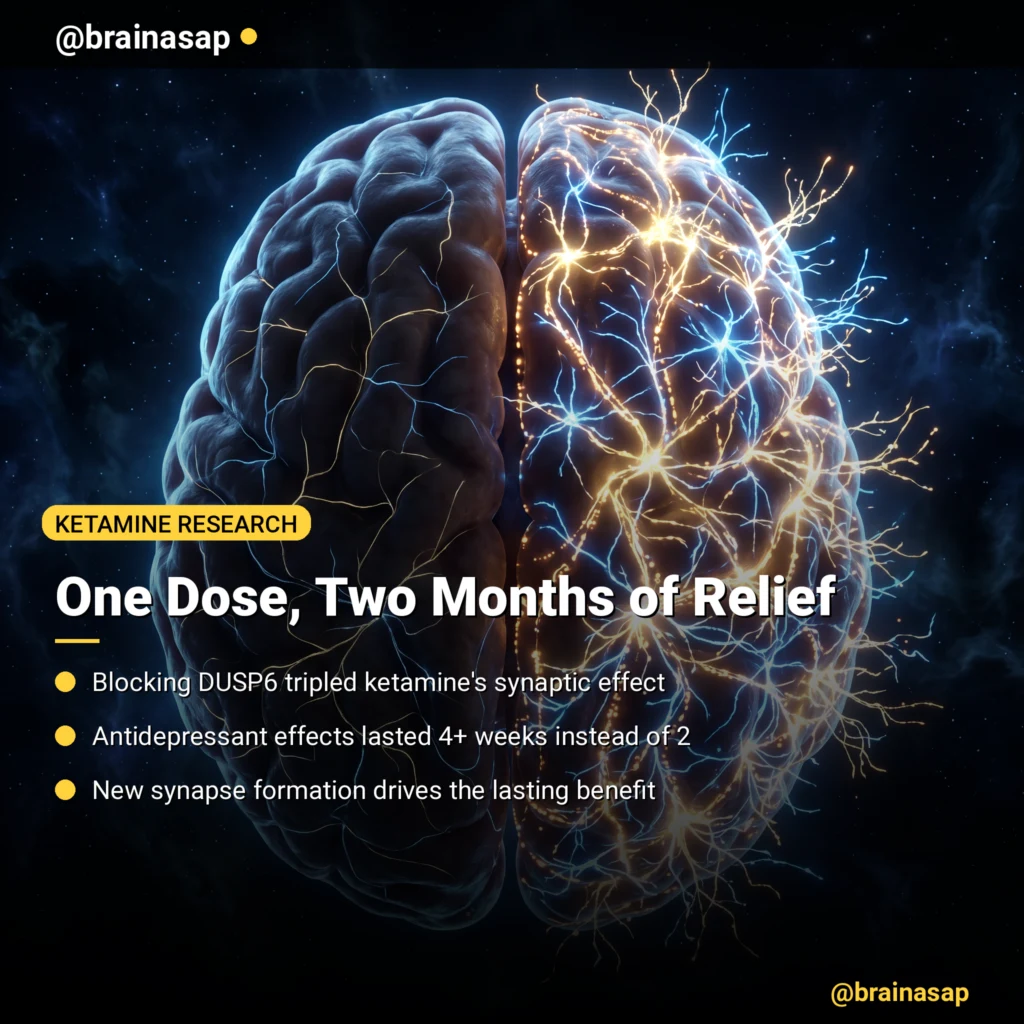
How Scientists Turned a Brief Ketamine High into a Two-Month Antidepressant Effect TL;DR: Blocking DUSP6 protein alongside ketamine extends antidepressant effects from 2 weeks to 4+ weeks in mice, potentially offering single-dose treatment instead of repeated…
Read article ↗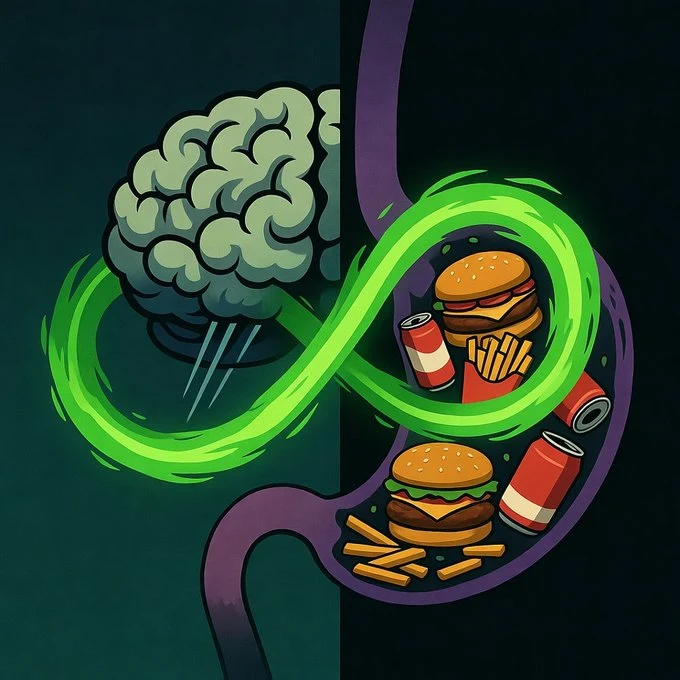
Obesity and Depression Share Five Converging Biological Pathways Obesity and depression represent two of the world’s fastest-growing epidemics. By 2030, over 1 billion people will have obesity, while depression will affect more than 350 million. Yet they are r…
Read article ↗
The study found that higher levels of brain-derived neurotrophic factor (BDNF) and better cognitive function reduce suicidal thoughts in first-episode schizophrenia patients, while more severe symptoms and higher total cholesterol levels increase the risk. Hig…
Read article ↗
Oleacein, a compound found in extra virgin olive oil, shows potential as a natural treatment for depression and anxiety by reducing inflammation and boosting brain-derived neurotrophic factor (BDNF). Highlights: Oleacein & BDNF: Oleacein significantly increase…
Read article ↗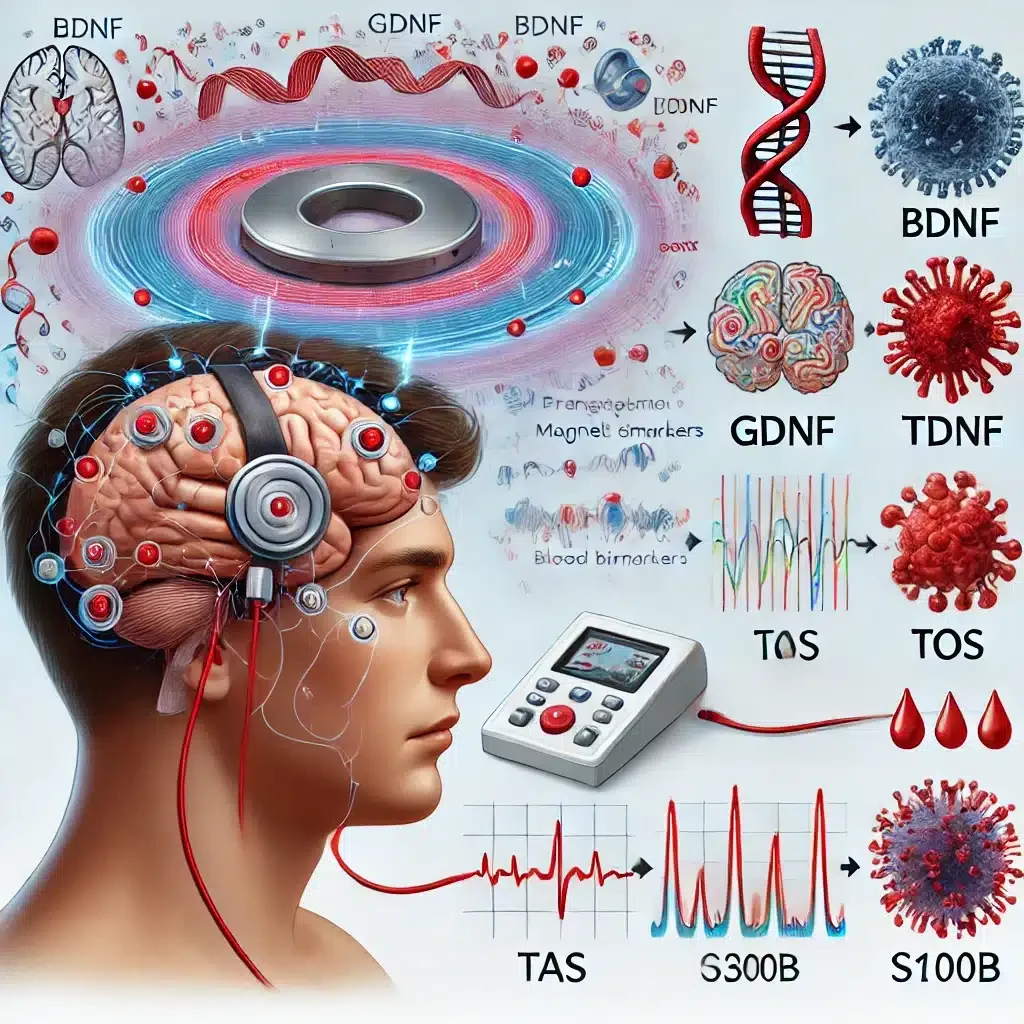
Repetitive transcranial magnetic stimulation (rTMS) therapy improves key biochemical markers in major depressive disorder (MDD) patients, indicating its effectiveness as an antidepressant treatment. Highlights: Improved Antioxidant Levels: rTMS therapy signifi…
Read article ↗
TLDR: Quercetin-based alginate nanogels loaded with brain-derived neurotrophic factor (BDNF) can effectively cross the blood-brain barrier via intranasal delivery, providing a promising treatment for depressive disorders. Highlights: Nanogels: Quercetin nanoge…
Read article ↗