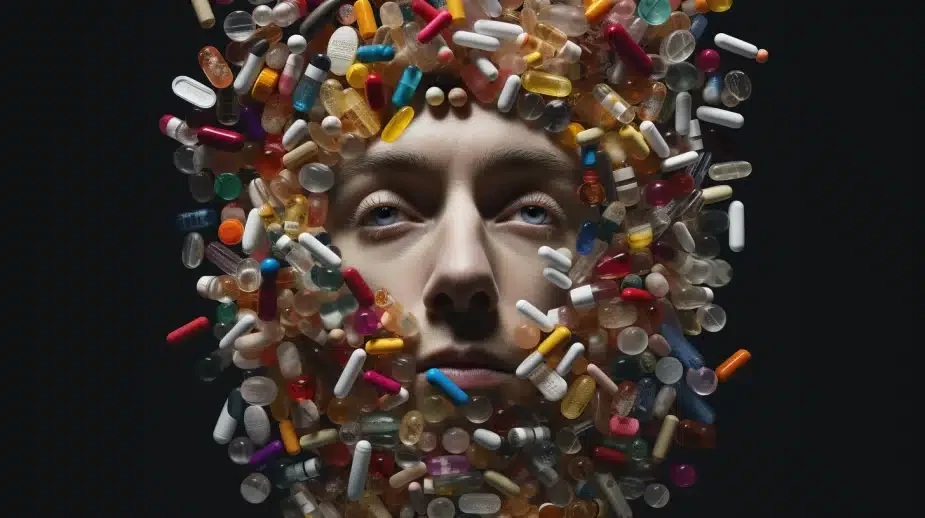
Antidepressant use has risen steadily for 30 years. Over 10% of adults in England now take them long-term, but evidence suggests up to half lack clear medical justification to continue. Patients and doctors are reluctant to stop treatment due to fears of relap…
Read article ↗
Minor or subthreshold depression causes significant suffering and impairment, despite falling short of a major depression diagnosis. Effective early treatment is crucial to alleviate symptoms, improve functioning, and prevent progression to major depression. B…
Read article ↗
Depression often comes with significant sleep disturbances that can persist even after other symptoms improve. Choosing an antidepressant that alleviates sleep problems may improve outcomes. Key Facts: Sleep complaints like insomnia occur in 60-90% of depressi…
Read article ↗
A large review of research found that talk therapy works about as well as antidepressant medications for treating depression. The study also looked at other non-drug options, like exercise. While benefits were similar across treatments, side effects differed.…
Read article ↗
The NLRP3 inflammasome is increasingly being recognized as a mediator between inflammation and depression. Targeting this molecular complex shows promise for developing new antidepressant therapies. Key Facts: The NLRP3 inflammasome is made up of NLRP3, ASC, a…
Read article ↗
Researchers conducted a comprehensive analysis comparing 20 antidepressants to identify the most effective options for preventing relapse in patients with major depressive disorder (MDD). Their findings suggest desvenlafaxine, paroxetine, venlafaxine and vorti…
Read article ↗
An innovative study aims to assess the feasibility of patients self-managing transcranial direct current stimulation (tDCS) therapy for depression at home. This digitally-supported model could greatly expand access if proven safe, reliable and effective. Key F…
Read article ↗
Major depressive disorder (MDD) is a highly prevalent mental illness and leading cause of disability worldwide. While treatments exist, they are far from optimal and up to 30% of patients fail to respond. There is an urgent need to identify factors that may en…
Read article ↗
Depression affects over 300 million people globally. Current treatments have limited efficacy for many patients. Exciting new research highlights the potential of allopregnanolone agonists like brexanolone and zuranolone as more targeted, rapid-acting antidepr…
Read article ↗