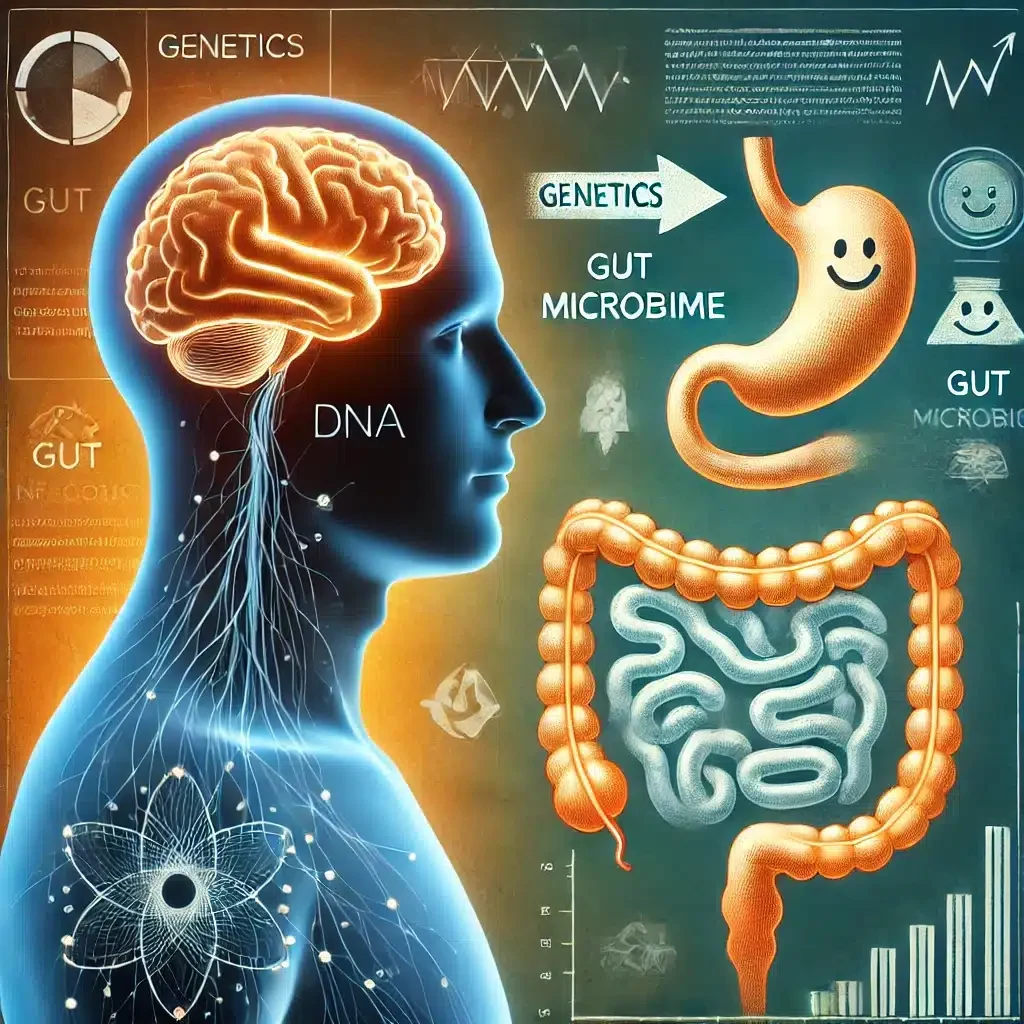
Alterations in the gut microbiome are causally linked to major depressive disorder (MDD), with certain gut bacteria either increasing or decreasing the risk of developing MDD. Highlights: Protective Bacteria: Ten gut bacterial taxa, including phylum Actinobact…
Read article ↗
Moderate alcohol intake in men treated with SNRI antidepressants significantly increases the risk of depression relapse, according to a new study. Highlights: Risk Increase with SNRIs: Men with moderate alcohol consumption and elevated liver enzymes are signif…
Read article ↗
Experiencing aesthetic chills can positively influence self-related beliefs in people with depression, similar to the effects of psychedelics, suggesting potential as a non-pharmacological intervention. Highlights: Novel Approach: Aesthetic chills, characteriz…
Read article ↗
Probiotics may help improve sexual function and reduce depression severity in women treated with SSRIs. Highlights: Depression Prevalence: Approximately 5% of all adults will experience depressive disorder, often accompanied by reduced sexual desire and dysfun…
Read article ↗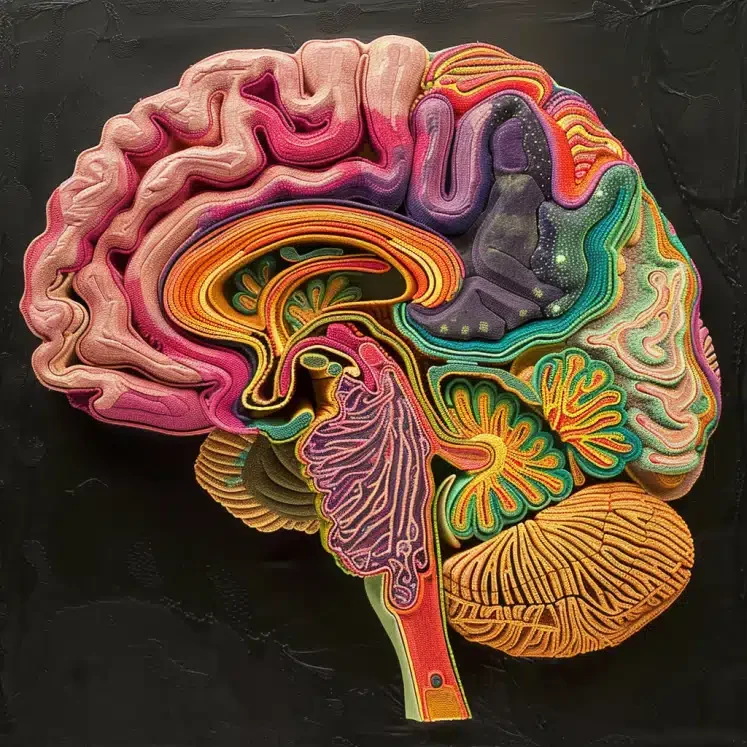
Major depressive disorder (MDD) involves a topographic reorganization of brain activity from sensory to associative regions, affecting symptom co-occurrence through changes in neural dynamics and excitation-inhibition balance. Highlights: Topographic Reorganiz…
Read article ↗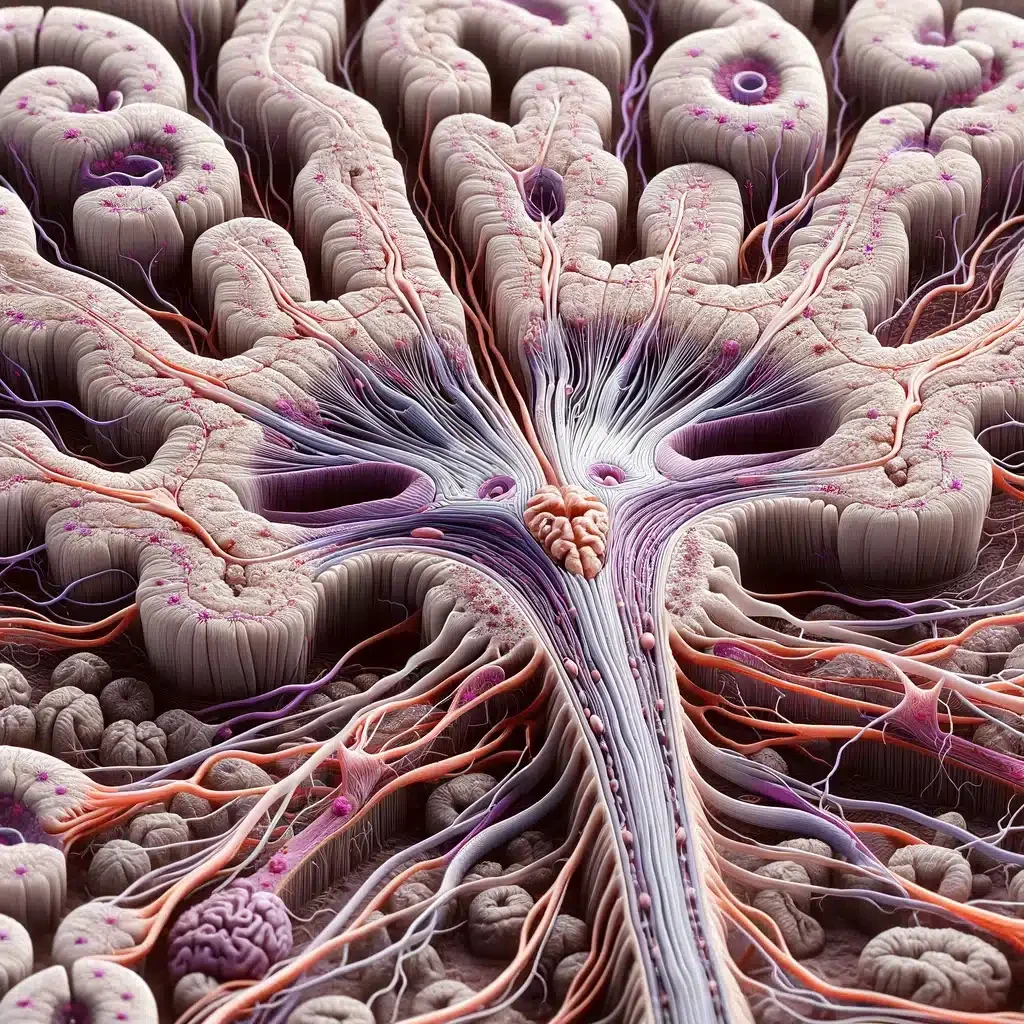
A study used a 7-Tesla MRI to discover that major depressive disorder (MDD) is linked to lower intracortical myelination, particularly in brain regions associated with negative emotions. Highlights: Advanced MRI: The study used Ultra-High Field MRI at 7.0 Tesl…
Read article ↗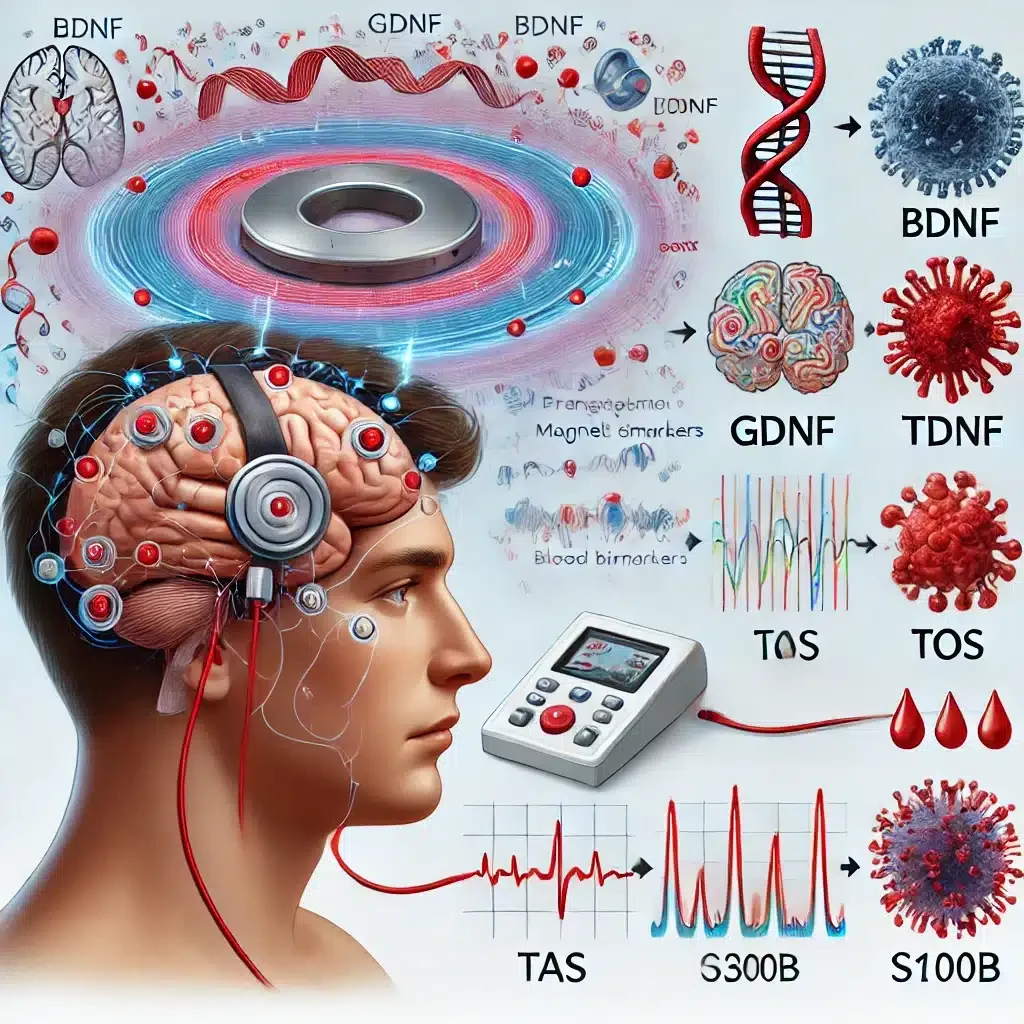
Repetitive transcranial magnetic stimulation (rTMS) therapy improves key biochemical markers in major depressive disorder (MDD) patients, indicating its effectiveness as an antidepressant treatment. Highlights: Improved Antioxidant Levels: rTMS therapy signifi…
Read article ↗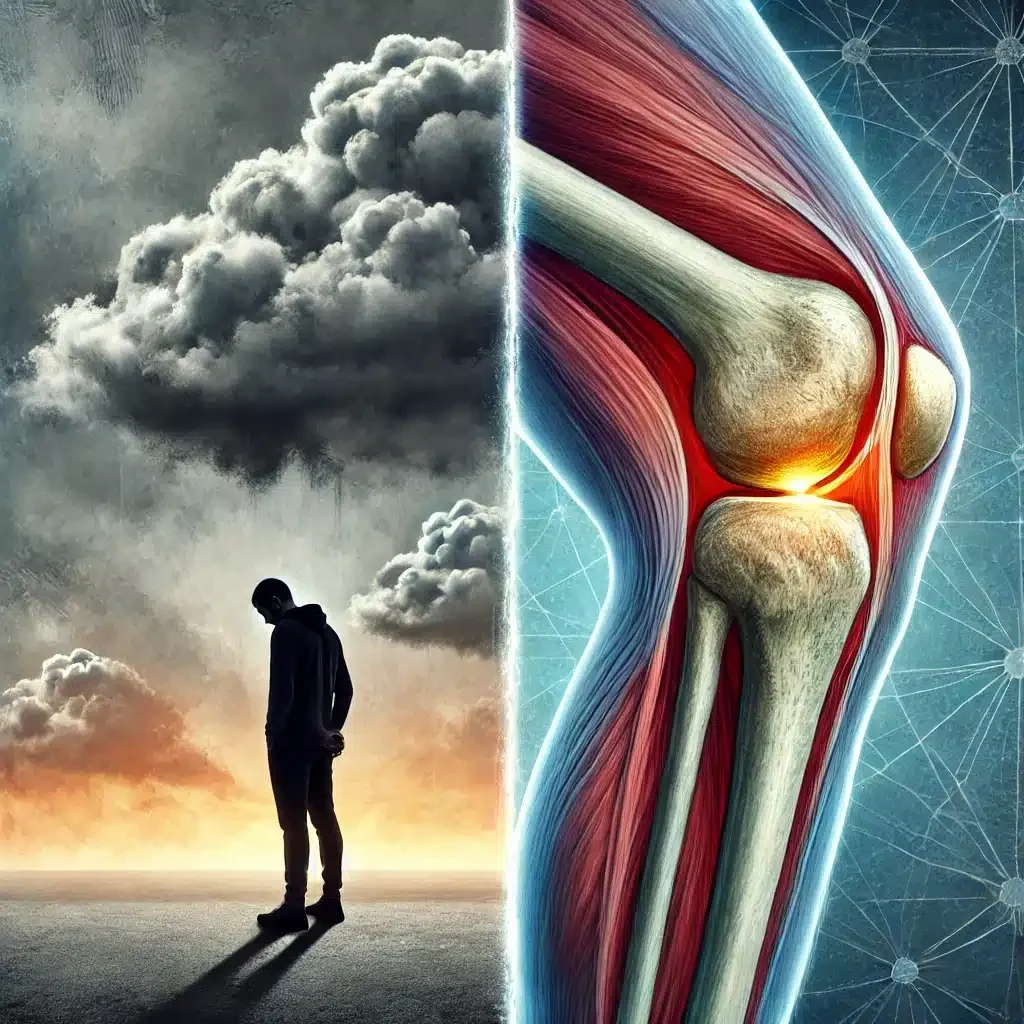
TLDR: A study found a bidirectional causal relationship between depression and osteoarthritis (OA) but only a one-way relationship where depression increases the risk of knee osteoarthritis (KOA). Highlights: Bidirectional Causality: There is a bidirectional c…
Read article ↗
TLDR: Occasional drinking may help reduce the risk of major depression, but frequent drinking worsens it. Highlights: Occasional alcohol consumption is linked to a lower risk of major depression. Frequent alcohol intake increases the risk of major depression.…
Read article ↗
TLDR: Esketamine nasal spray, combined with standard antidepressant therapy, significantly improves remission rates and reduces time to remission in adults with major depressive disorder (MDD) and acute suicidality compared to standard care alone. Highlights:…
Read article ↗