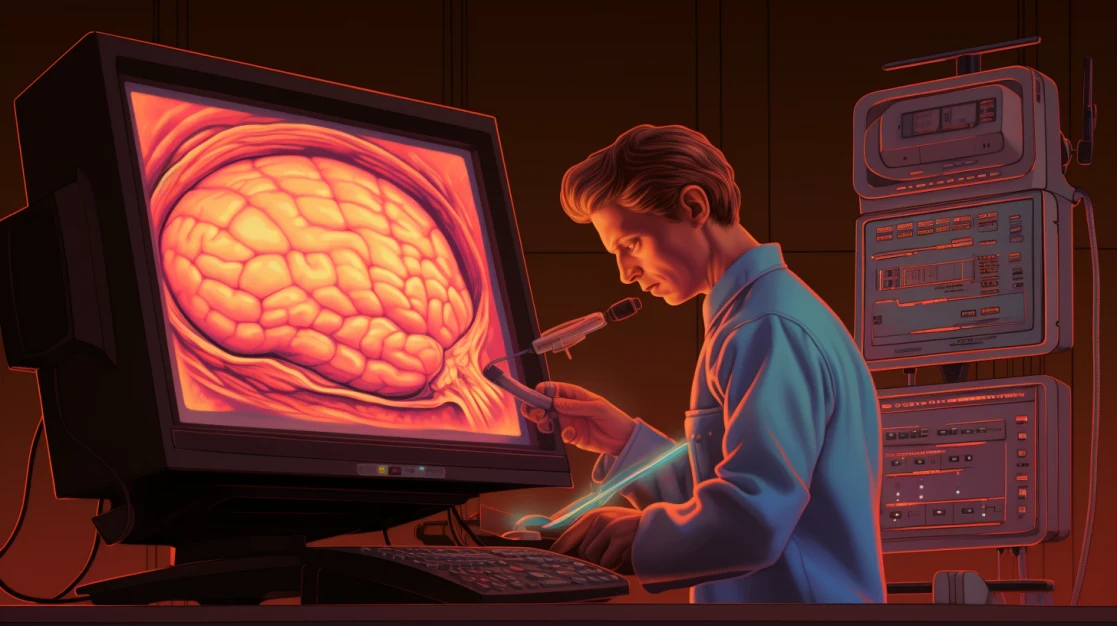
Our brains contain around 100 billion neurons communicating through an intricate web of connections. This complex circuitry controls everything we think, feel, and do. But sometimes things can go wrong, leading to neurological disorders like epilepsy, Parkinso…
Read article ↗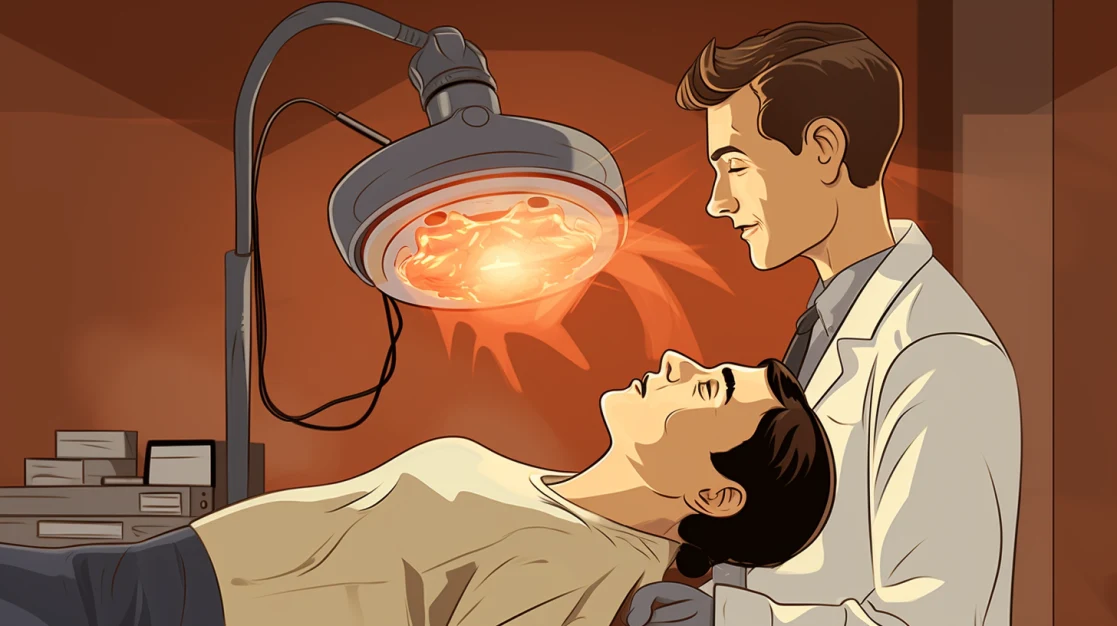
Focused ultrasound (FUS) is an exciting noninvasive brain treatment technology that is revolutionizing how we approach neurological and psychiatric diseases. This incisionless technique uses precisely targeted sound waves to therapeutically stimulate or ablate…
Read article ↗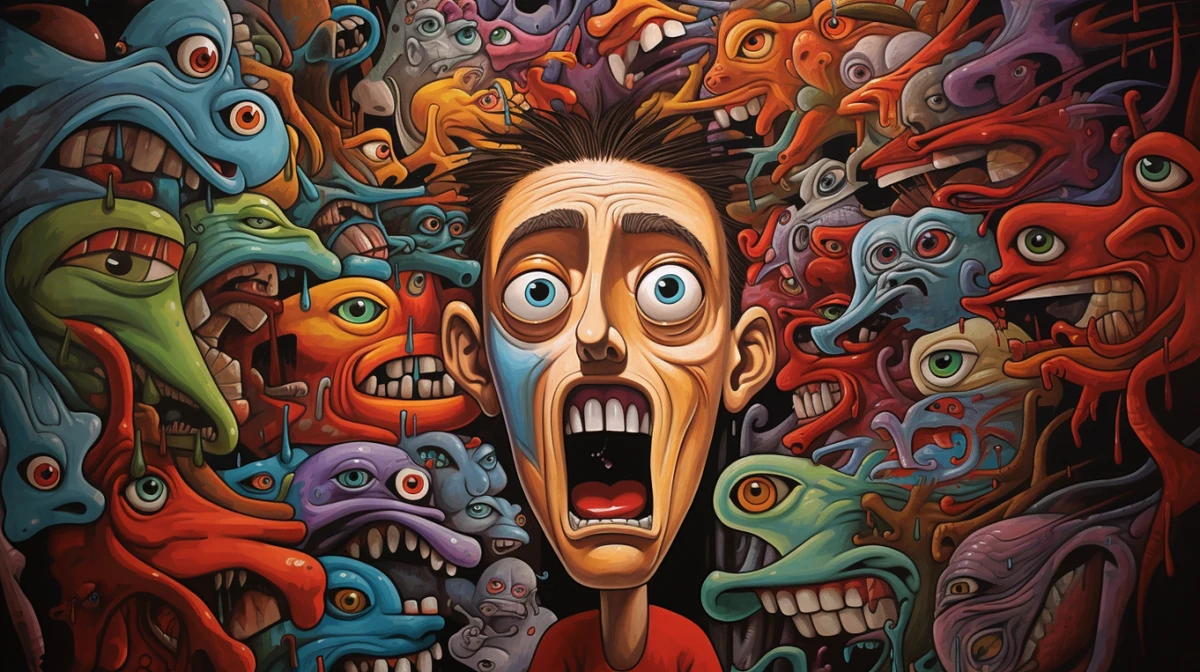
Schizophrenia is a severe mental disorder affecting about 1% of the population worldwide. It is characterized by hallucinations, delusions, disorganized thinking and behavior, and impaired cognitive functioning. Current treatments with antipsychotic medication…
Read article ↗
A new case study provides initial evidence that transcranial direct current stimulation (tDCS) may be an effective treatment option for trichotillomania, also known as hair pulling disorder. The study tested an intensified, repeated tDCS protocol targeting the…
Read article ↗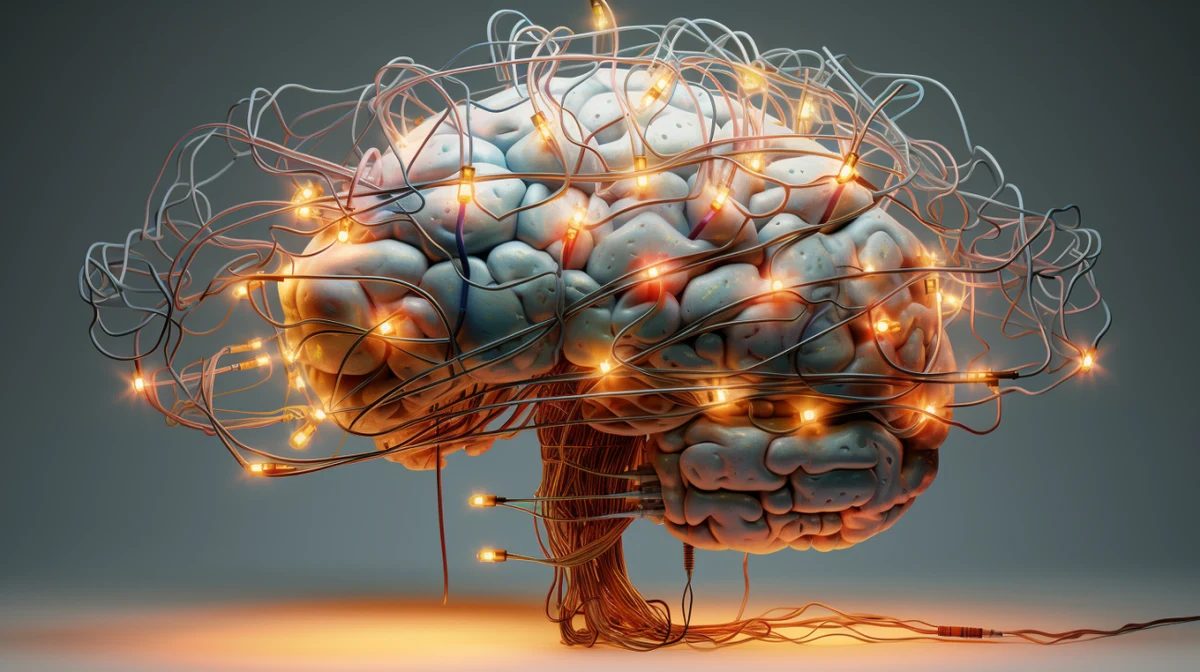
Neuromodulation techniques that stimulate the nervous system through electric current are revolutionizing the treatment of neurological and psychiatric disorders like depression, movement disorders, and chronic pain. These techniques allow for precisely target…
Read article ↗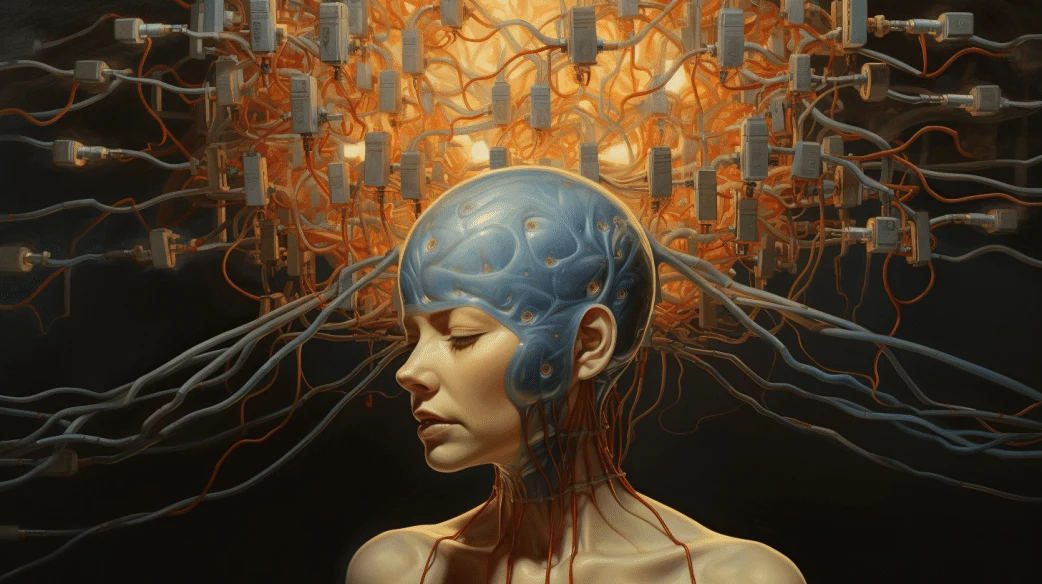
Obsessive-compulsive disorder (OCD) is a challenging psychiatric illness affecting 2% of the population. While some patients respond to therapy and medications, others continue to suffer from severe, treatment-resistant symptoms. Exciting new research shows th…
Read article ↗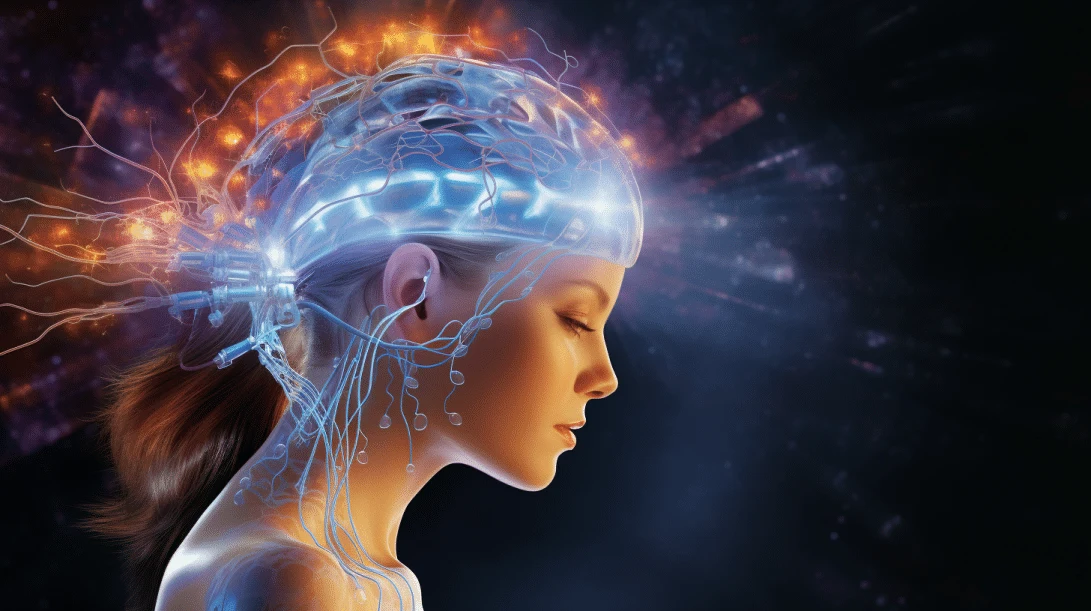
Deep brain stimulation (DBS) of a brain region called the ventral capsule/ventral striatum (VC/VS) may provide long-term relief for people with severe, treatment-resistant obsessive-compulsive disorder (OCD), according to a new retrospective study. Key finding…
Read article ↗