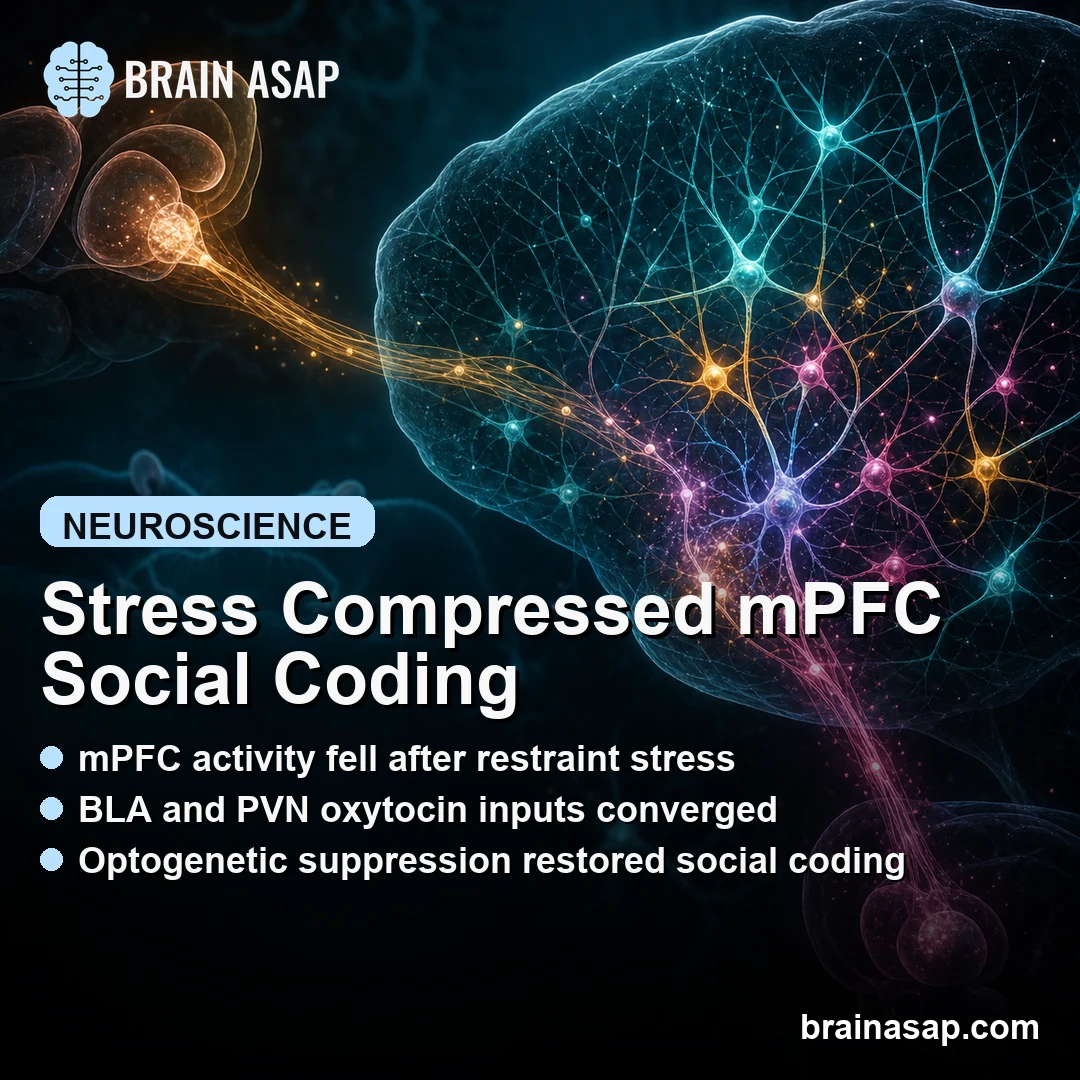
TL;DR: A 2026 study in Communications Biology found that restraint stress weakened medial prefrontal cortex (mPFC, a frontal brain region that helps organize social behavior) activity during social testing, while stress-activated amygdala and hypothalamic oxyt…
Read article ↗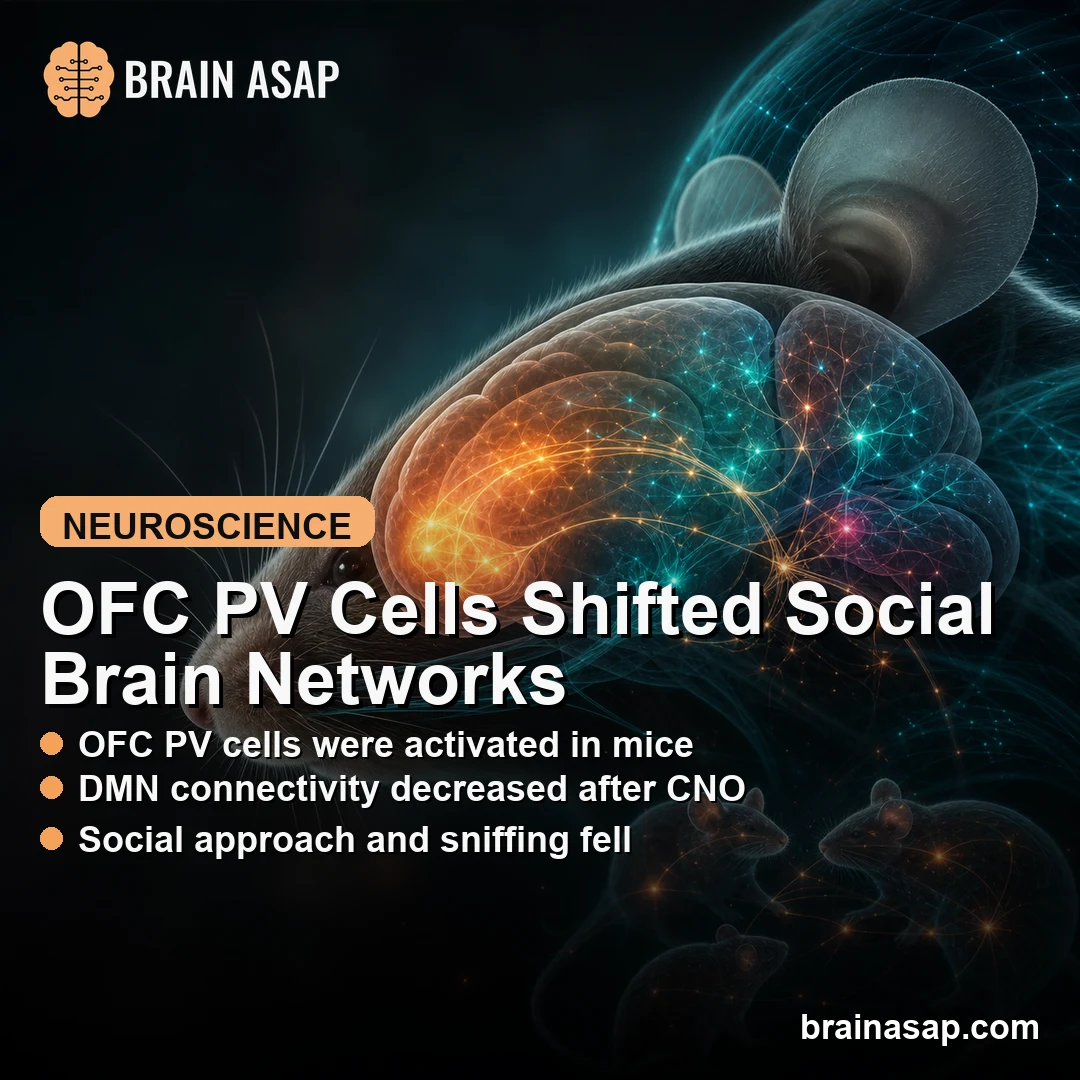
TL;DR: A 2026 mouse study in Communications Biology found that activating parvalbumin (PV) interneurons, inhibitory nerve cells in the orbitofrontal cortex, reduced default mode network connectivity and decreased normal social approach and sniffing behavior. K…
Read article ↗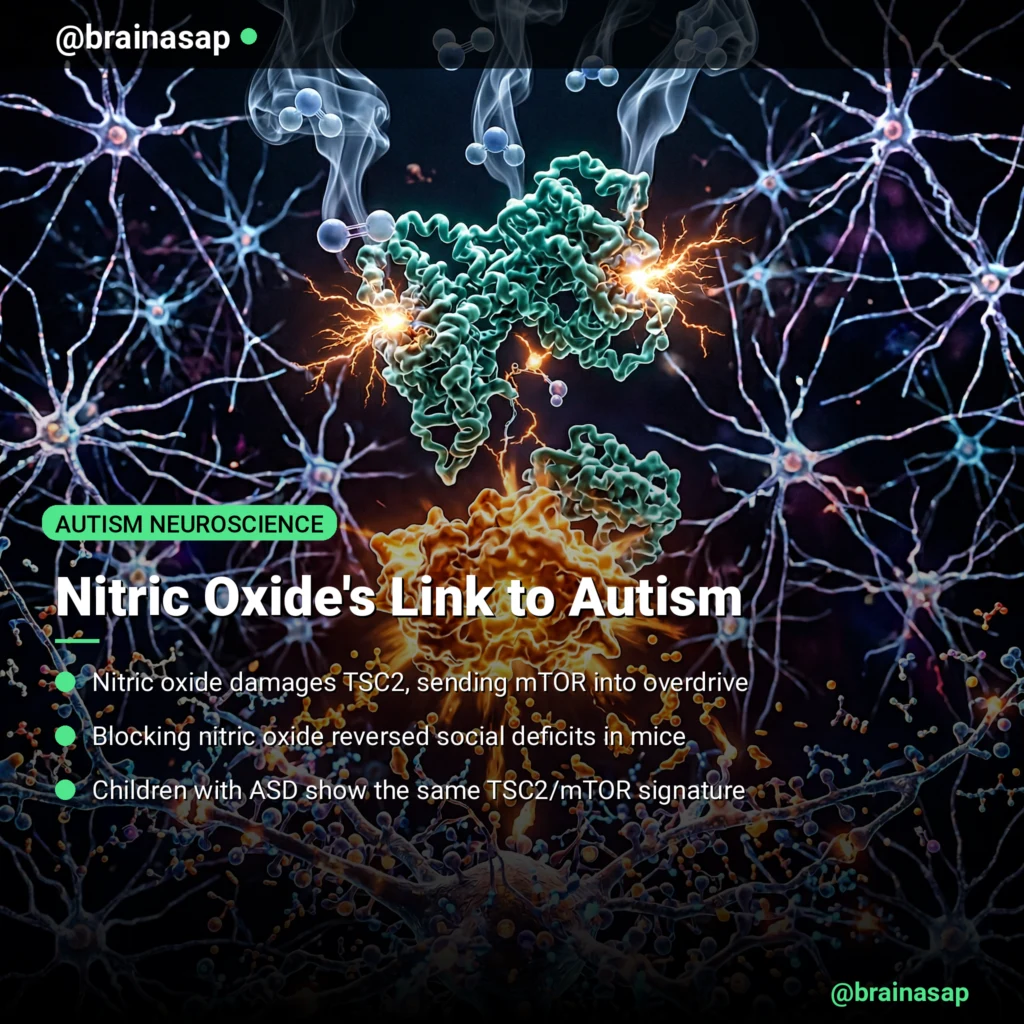
Nitric Oxide’s Hidden Link to Autism Behavior TL;DR: A chemical messenger called nitric oxide triggers protein damage that sends the mTOR pathway into overdrive in autism-related mouse models, driving social deficits and repetitive behaviors—and blocking this…
Read article ↗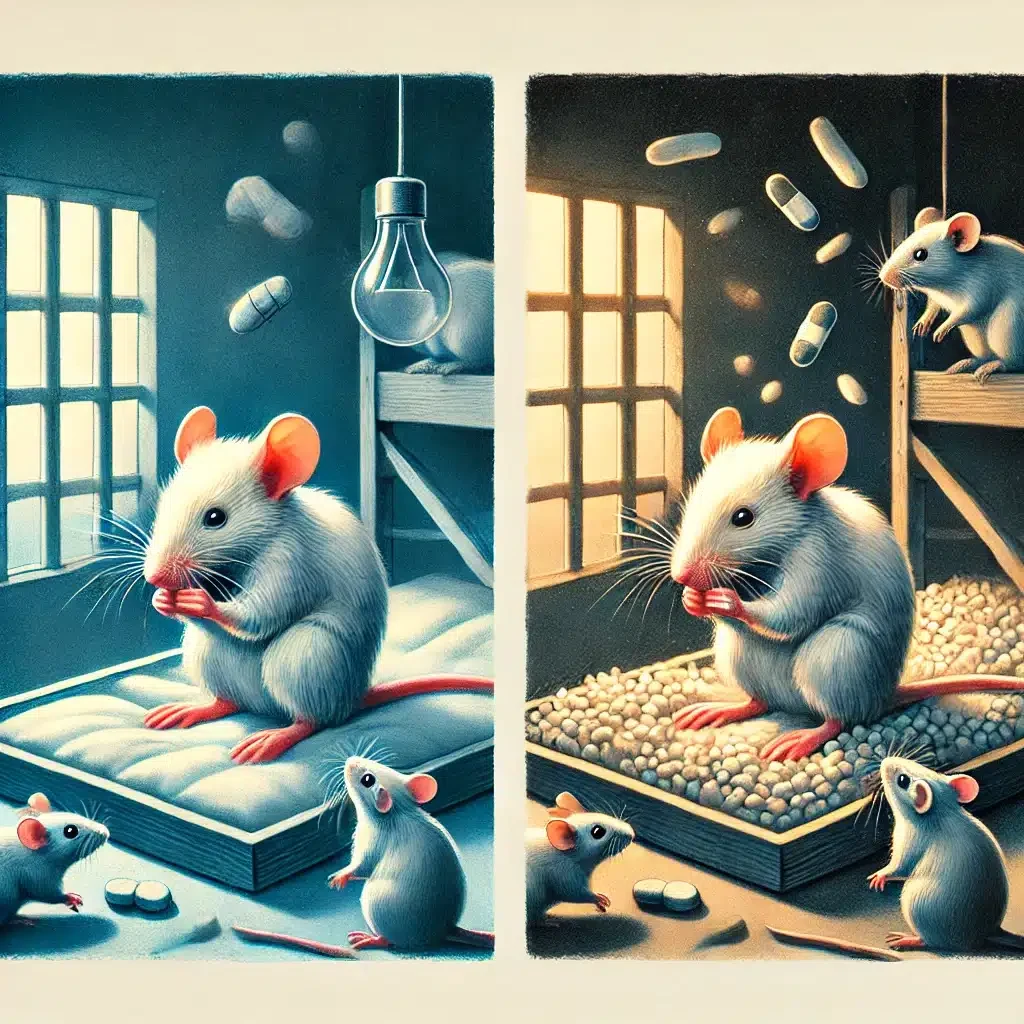
Allopregnanolone shows antidepressant-like effects in mice by increasing social interaction and specific brain wave activities, unlike diazepam. Highlights: Allopregnanolone: Allopregnanolone, a neuroactive steroid, increases social interaction time in mice ex…
Read article ↗
Loneliness is painful, but it may serve an important purpose. New research explores how loneliness affects the brain and body in humans and animals. The findings reveal that loneliness triggers primal responses designed to get us to seek out social connection.…
Read article ↗