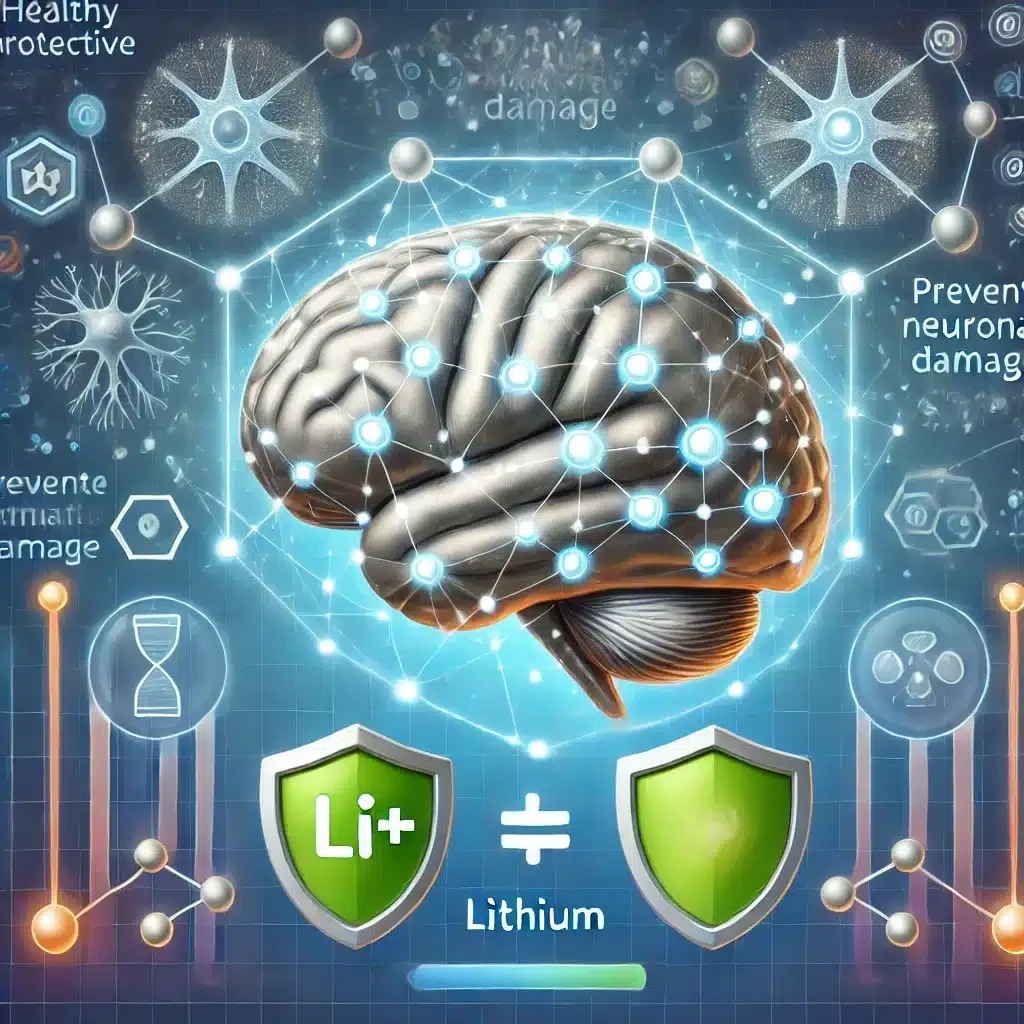
Lithium shows promise in treating traumatic brain injury (TBI) by mitigating neuroinflammation, protecting against neuronal damage, and improving cognitive functions. Highlights: Neuroprotective Mechanisms: Lithium’s therapeutic effects involve complex molecul…
Read article ↗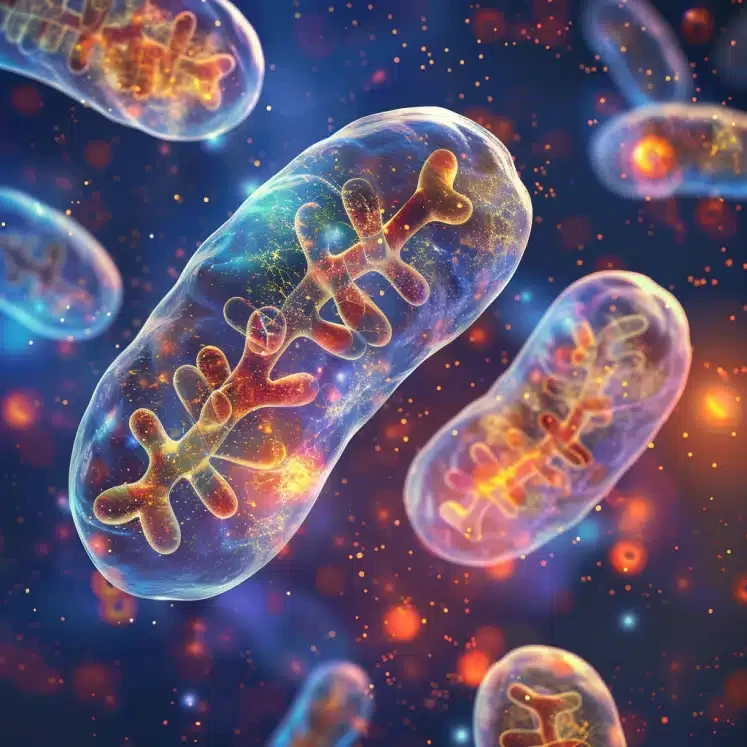
A study found a strong link between mitochondrial disorders and conditions like autism, ADHD, and various psychiatric issues. Highlights: Common Link: Mitochondrial disorders are frequently found in people with autism, ADHD, and intellectual disabilities. ASD…
Read article ↗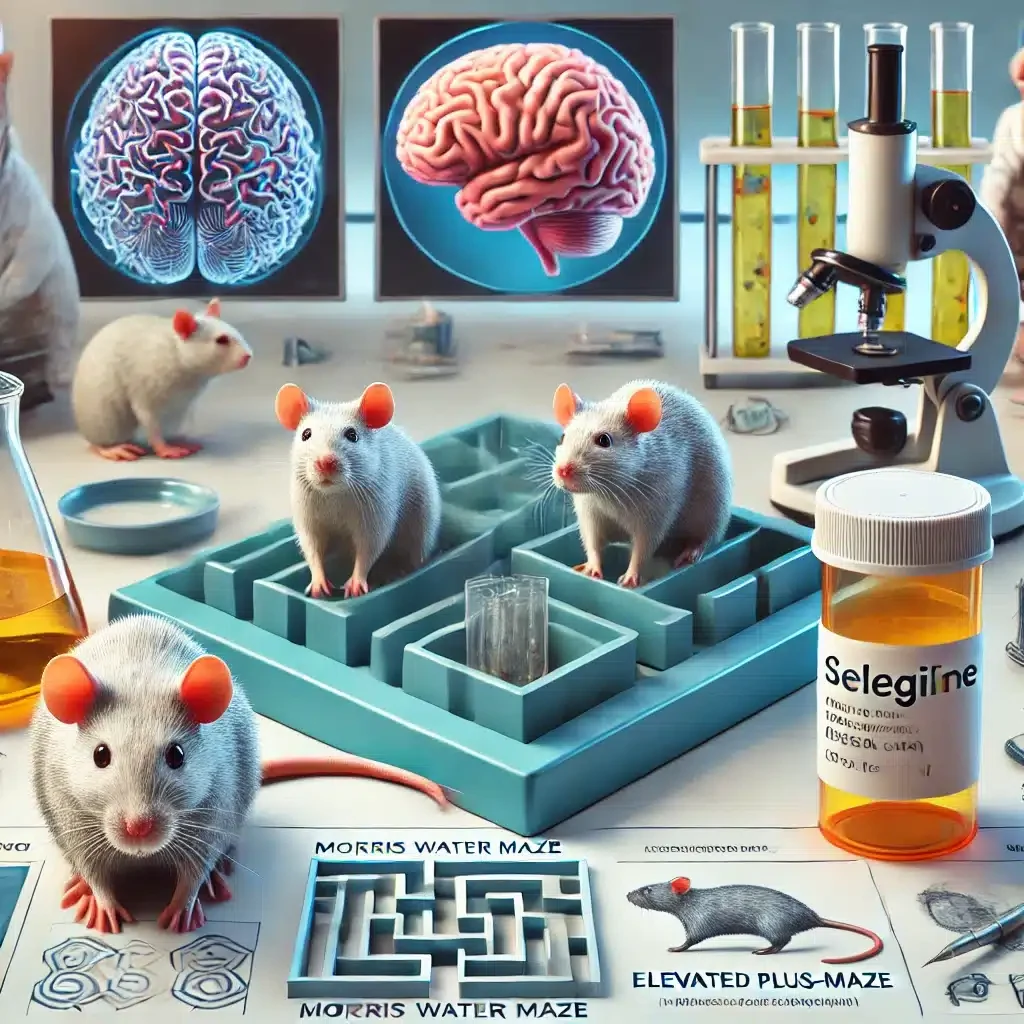
The study demonstrated that selegiline (SEL) improves memory performance, reduces anxiety, and modulates oxidative stress in an Alzheimer’s disease (AD) rat model. Highlights: Memory Improvements: SEL administration improved recognition memory, spatial memory,…
Read article ↗
A study on Tibetans living at high altitudes identified novel risk genes for schizophrenia (SCZ) related to hypoxia, suggesting a unique genetic signature for SCZ in this population. Highlights: Whole-exome sequencing of 47 SCZ cases and 53 controls in Tibetan…
Read article ↗
Repurposing antipsychotics and antidepressants with favorable safety profiles and blood-brain barrier permeability shows promise for glioblastoma (GBM) treatment, primarily through disrupting lysosomal function and inducing cell death. Highlights: Mechanism of…
Read article ↗
Psychosocial factors such as stress and depression, along with physical health issues like tympanic abnormalities and diabetes, significantly contribute to dizziness and chronic dizziness in adults. Highlights: Prevalence & Chronicity: Dizziness affected 24.6%…
Read article ↗
Drug-induced musical hallucinations occur across various medical conditions, with antidepressants, opioids, and other medications as common triggers, potentially arising from neurotransmitter imbalances; treatment often involves modifying or discontinuing the…
Read article ↗
Extended intra-nasal insulin (INI) treatment in an insulin-resistant early Mild Cognitive Impairment (MCI) patient improved grey matter volume, reduced beta-amyloid levels, and enhanced cognitive and pragmatic capacities, suggesting potential to slow neurodege…
Read article ↗
Ketamine significantly reduces suicidal ideation in depressed patients, with rapid effects observed within the first day of treatment. Highlights: Rapid Reduction: Ketamine shows a significant reduction in suicidal ideation within the first day of treatment (R…
Read article ↗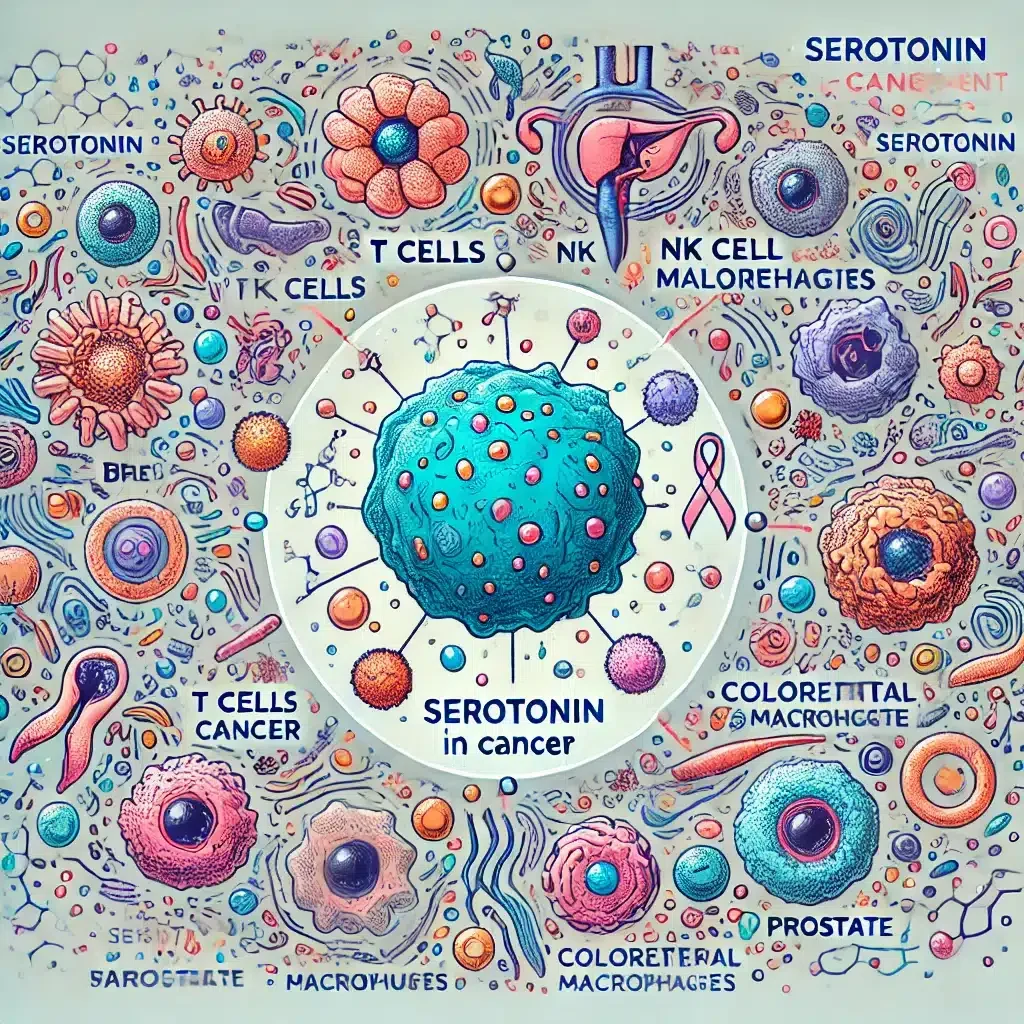
Cancer patients frequently experience depressive symptoms, and the role of serotonin in tumor regulation varies across different types. Highlights: Prevalence of Depression in Cancer Patients: A significant portion of cancer patients experience depressive symp…
Read article ↗