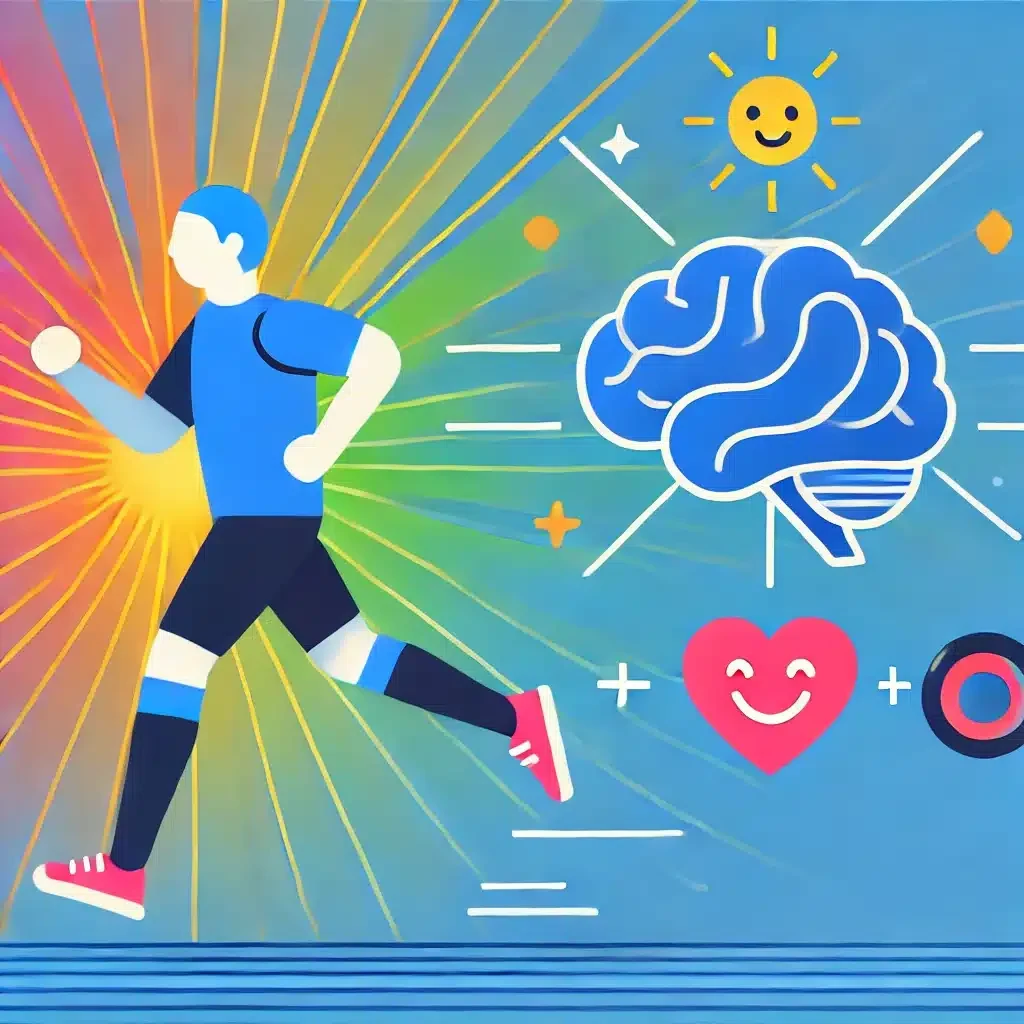
Aerobic exercise reduces depressive symptoms by decreasing inflammation, boosting dopamine transmission, and enhancing motivation and cognitive control. Highlights: Depression & Dopamine: Depression is linked to disrupted dopamine transmission, affecting rewar…
Read article ↗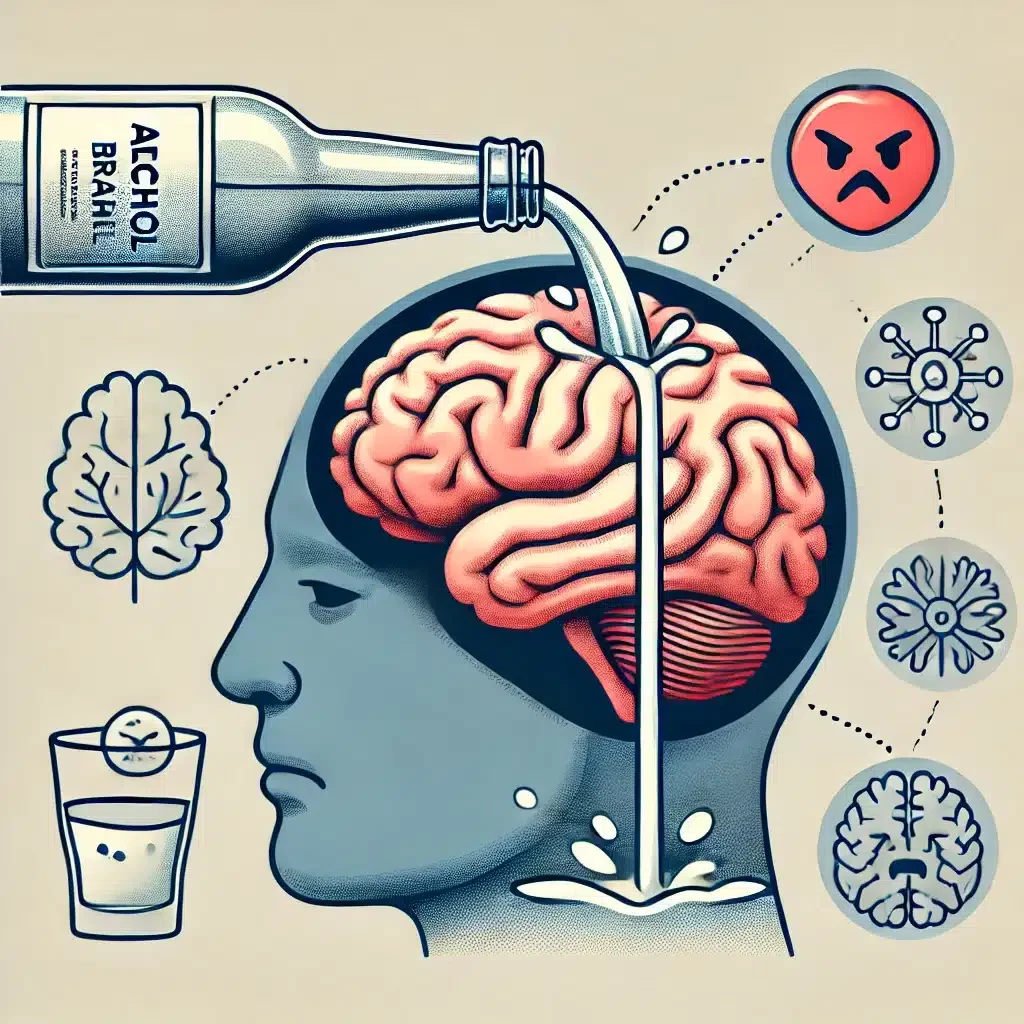
A study broke down Alcohol Use Disorder (AUD) into specific brain-related categories and identified key factors that can help understand and classify AUD more accurately. Higlights: Cravings & Insensitivity: The study identified two main factors related to alc…
Read article ↗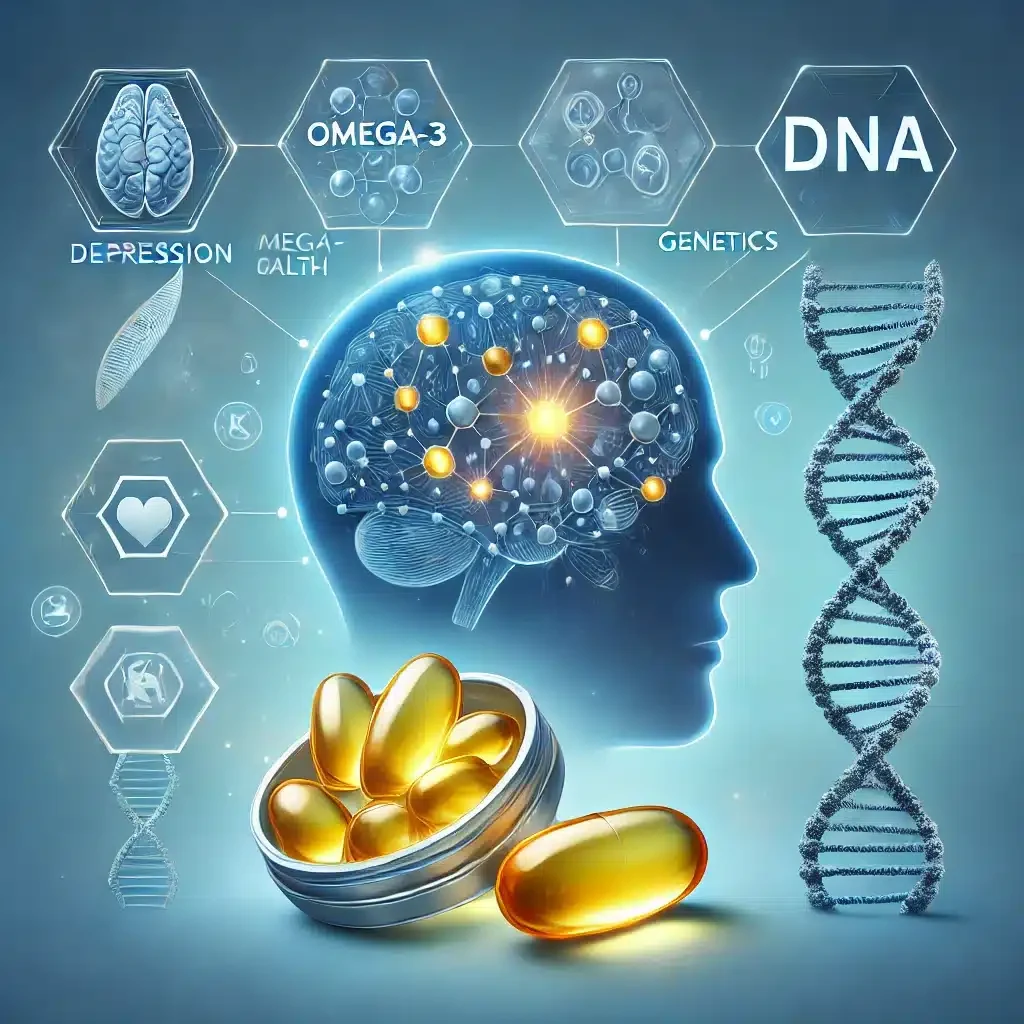
Omega-3 fatty acids, particularly eicosapentaenoic acid (EPA), may reduce the risk of major depressive disorder (MDD), but causality remains uncertain due to potential pleiotropic mechanisms. Highlights: Genetic Evidence for Omega-3 & Depression: The study use…
Read article ↗
A study examined the effects of ketamine on sleep arousal metrics in individuals with treatment-resistant depression (TRD) vs. healthy volunteers, finding that ketamine increases certain sleep-related brain activities but does not significantly mediate its ant…
Read article ↗
A study found that REM sleep deprivation significantly impacts brain connectivity, particularly within the default mode network (DMN) and between the DMN and other brain networks, highlighting the importance of REM sleep for maintaining optimal brain function.…
Read article ↗
Some patients exhibit extreme altruism to the point of self-harm, posing unique challenges for therapists in balancing support and intervention. Highlights: Altruism & Self-Harm: Therapists often encounter patients who display extreme altruism, sometimes to th…
Read article ↗
Oleacein, a compound found in extra virgin olive oil, shows potential as a natural treatment for depression and anxiety by reducing inflammation and boosting brain-derived neurotrophic factor (BDNF). Highlights: Oleacein & BDNF: Oleacein significantly increase…
Read article ↗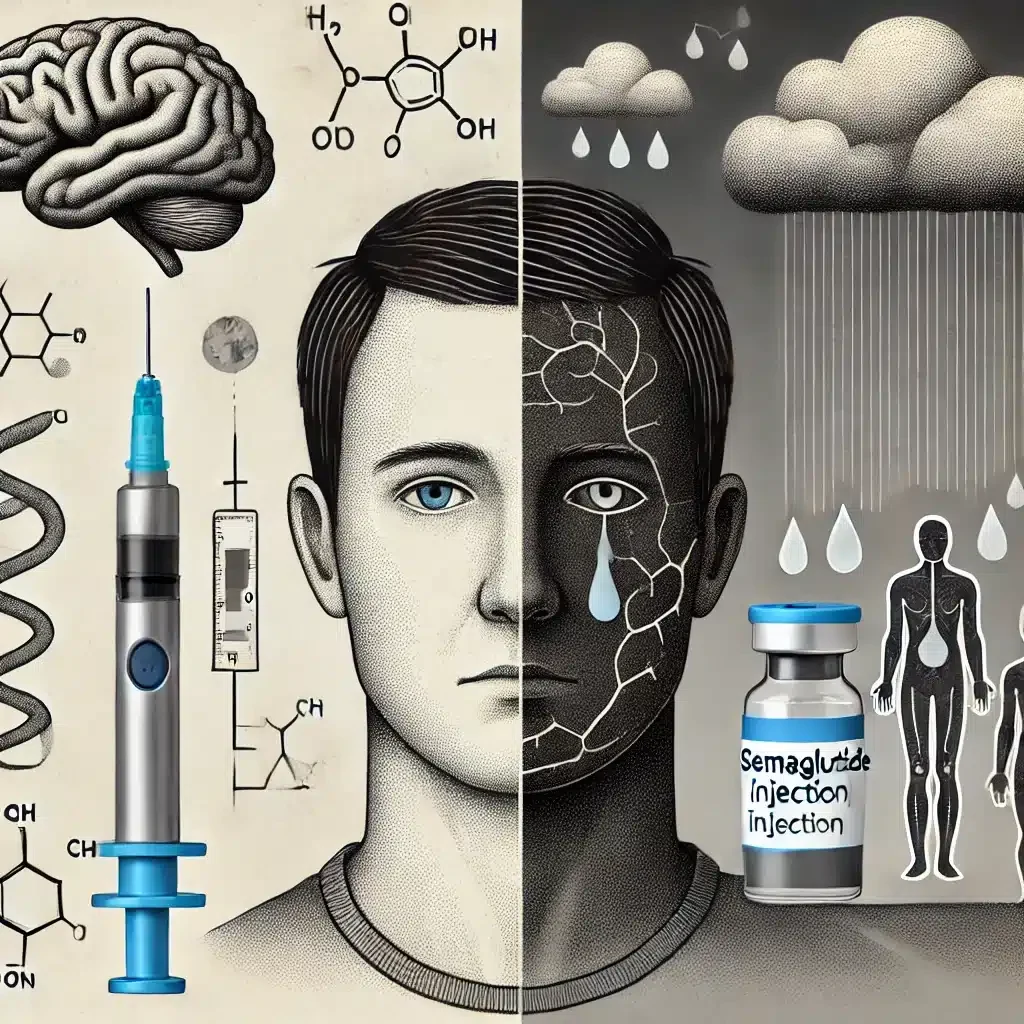
GLP-1 receptor agonists like semaglutide, used for managing Type 2 diabetes, may be linked to adverse mood changes, necessitating further investigation into their psychiatric effects. Highlights: GLP-1 Receptor Agonists: These medications mimic GLP-1 hormone e…
Read article ↗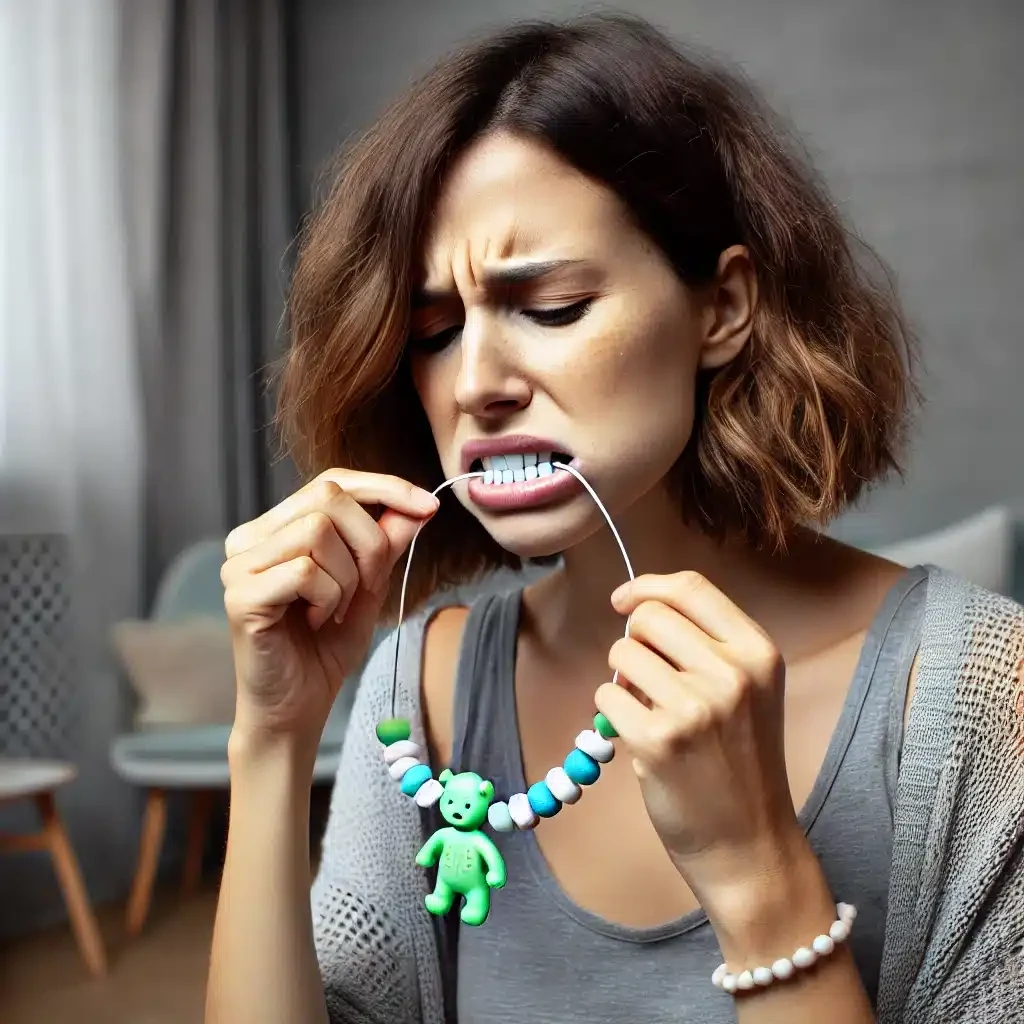
TLDR: A patient developed a compulsive chewing behavior when taking mixed amphetamine salts (MAS) for ADHD, highlighting the need to monitor for unusual side effects with stimulant use. Highlights: Patient Background: The patient is a 32-year-old woman with a…
Read article ↗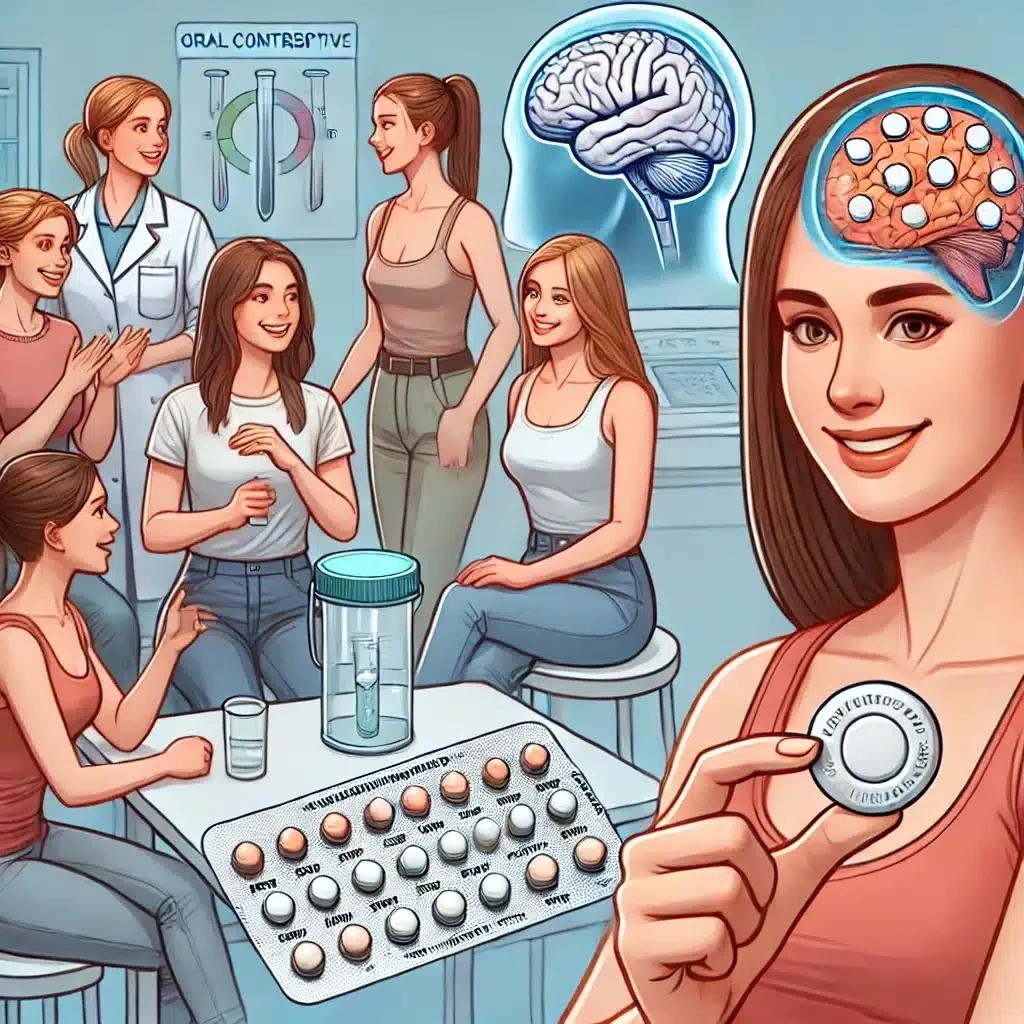
Oral contraceptives (OCs) reduce avoidance bias and increase approach behavior under stress, with effects varying based on the type of contraceptive used. Highlights: Participants: The study involved 130 women, split evenly between those taking oral contracept…
Read article ↗