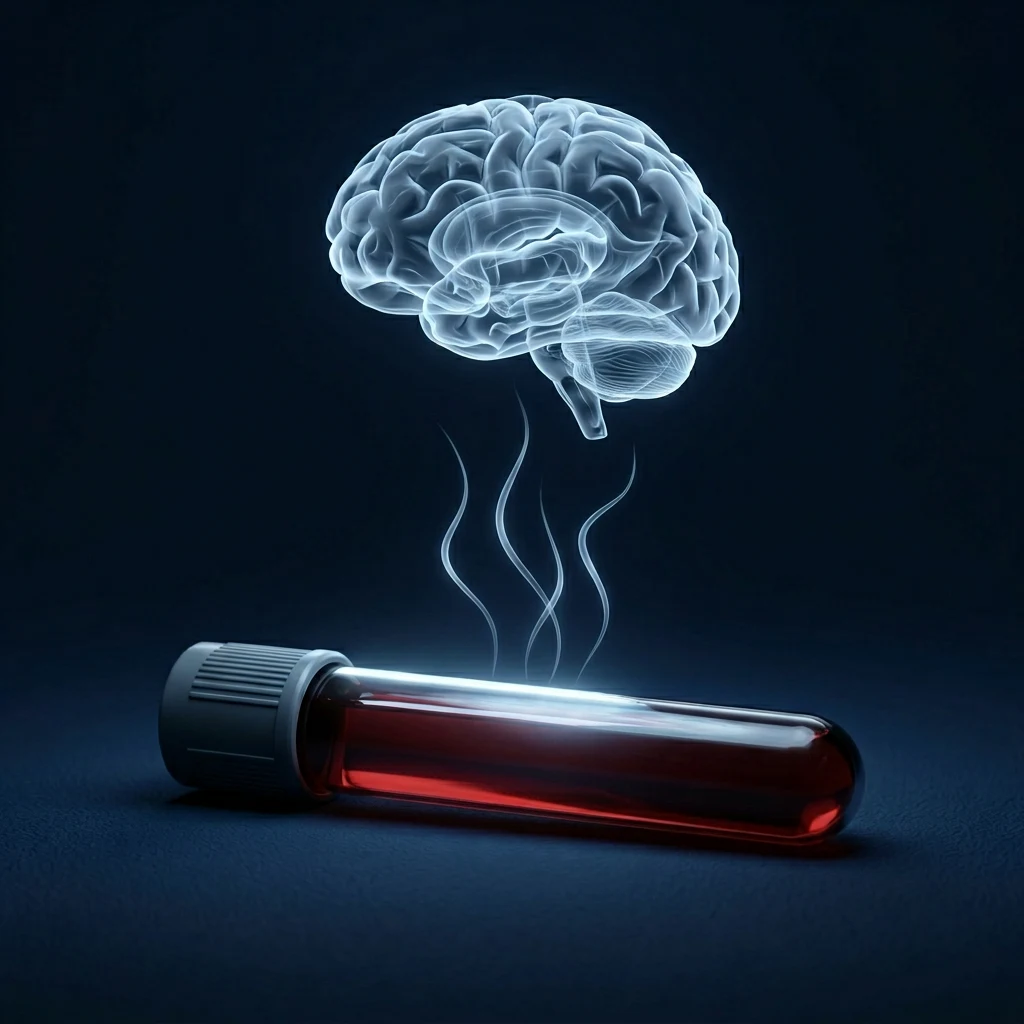
Blood Test Detects Alzheimer’s with 83% Accuracy TL;DR: A new blood test using three misfolded plasma proteins can identify Alzheimer’s disease with 83.44% accuracy, outperforming conventional biomarkers and offering a non-invasive screening tool years before…
Read article ↗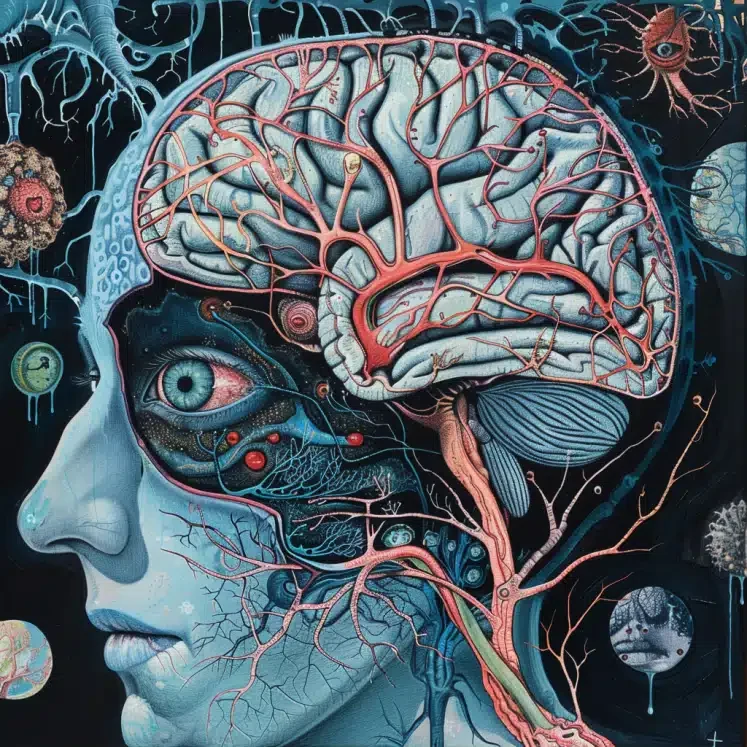
Researchers reviewed the potential impacts of physical exercise on the glymphatic system and its implications for neurodegenerative diseases, focusing on the mechanisms involved and the interplay between exercise and sleep quality. Highlights: The glymphatic s…
Read article ↗
Hypertension in older adults leads to poorer cognitive and walking performance due to the need for more brain resources to manage dual tasks. Highlights: Older adults with hypertension show higher brain activation in motor and sensory areas when performing dua…
Read article ↗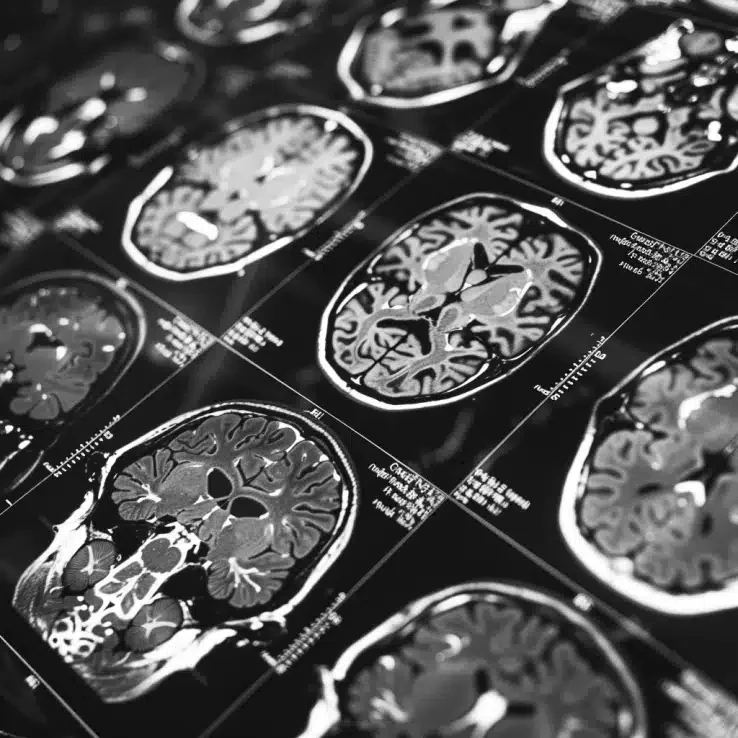
Normal aging leads to a decrease in brain volume, with gray and white matter shrinking and cerebrospinal fluid increasing, as measured by synthetic MRI. Highlights: Study Sample: 300 healthy adults (141 males, median age 48; 159 females, median age 50) were an…
Read article ↗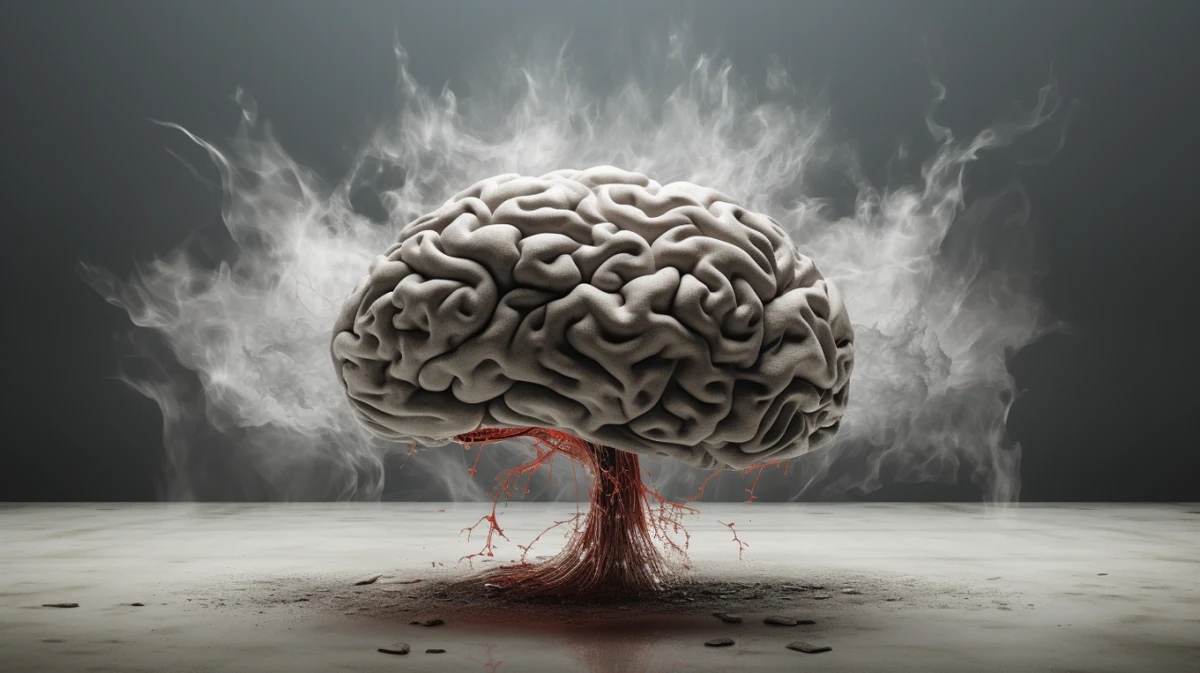
Cocaine use can lead to significant structural changes and accelerated aging of the brain, according to a new study. Key findings include: Cocaine users showed widespread gray matter loss in areas involved in emotions, language, cognition and decision-making.…
Read article ↗
Pineal gland calcification, the buildup of calcium deposits in the pineal gland, is surprisingly common, affecting over 60% of the population according to a new meta-analysis. This concerning condition can disrupt proper pineal gland functioning and melatonin…
Read article ↗
A new systematic review published in BMC Geriatrics suggests that supplementing with medium-chain triglycerides (MCTs) may provide cognitive benefits for older adults without dementia. MCTs are a type of fatty acid found in foods like coconut oil and palm kern…
Read article ↗
Alzheimer’s disease (AD) is a growing global health concern, but current drug therapies have shown limited effectiveness for symptom management and disease modification. Medium chain triglycerides (MCTs) have emerged as a potential nutritional therapy, but evi…
Read article ↗
Parkinson’s disease (PD) is a neurodegenerative disorder characterized by the loss of dopamine-producing neurons. Dopamine plays an important role in PD development. Here are some key facts: Dopamine is a chemical messenger in the brain involved in movement, m…
Read article ↗
Trouble sleeping may raise your risk of dementia later in life, according to a new 19-year study of over 22,000 middle-aged and older adults in Sweden. Both insomnia symptoms and shorter sleep were linked to higher chances of developing dementia down the road.…
Read article ↗