Classical psychedelics like LSD and psilocybin have recently re-entered mainstream discussions surrounding mental health. Small clinical trials have shown promising results for their therapeutic potential in treating conditions like depression, anxiety and add…
Read article ↗
Brain serotonin is crucially involved in regulating mood, social behavior, and physical health. While medications that alter serotonin levels have revolutionized psychiatry, non-drug approaches may provide safer, sustainable ways to optimize serotonin and prom…
Read article ↗
Researchers have uncovered new evidence that a traditional Chinese herbal medicine may be a safe, effective option for treating depression. The formula, known as Chaihu-jia-Longgu-Muli-tang (CLM) also phrased “Chai Hu Jia Long Gu Mu Li Tang,” outperformed stan…
Read article ↗
Suicide is a major global public health problem, accounting for over 800,000 deaths worldwide each year. Lithium, a mood stabilizing medication, has been proposed as a novel population-level suicide prevention strategy through supplementation of trace doses in…
Read article ↗
Borderline personality disorder (BPD) is a common and debilitating mental health condition, yet medication options remain limited according to a new systematic review published in CNS Drugs. The study found minimal evidence supporting the benefits of medicatio…
Read article ↗
Mood disorders like major depression and bipolar disorder affect millions worldwide. Existing treatments often fall short, highlighting the need for better options. An emerging possibility is anti-inflammatory drugs like celecoxib that may target the immune sy…
Read article ↗
A new network meta-analysis published in Frontiers in Pharmacology provides important insights into the relative efficacy and safety of monoclonal antibodies targeting calcitonin gene-related peptide (CGRP) for migraine prevention. This comprehensive analysis…
Read article ↗
Attention-deficit/hyperactivity disorder (ADHD), long thought of as a childhood condition, is increasingly recognized as a disorder that can persist into adulthood. Up to 60% of children with ADHD continue to experience symptoms as adults. Yet treatment option…
Read article ↗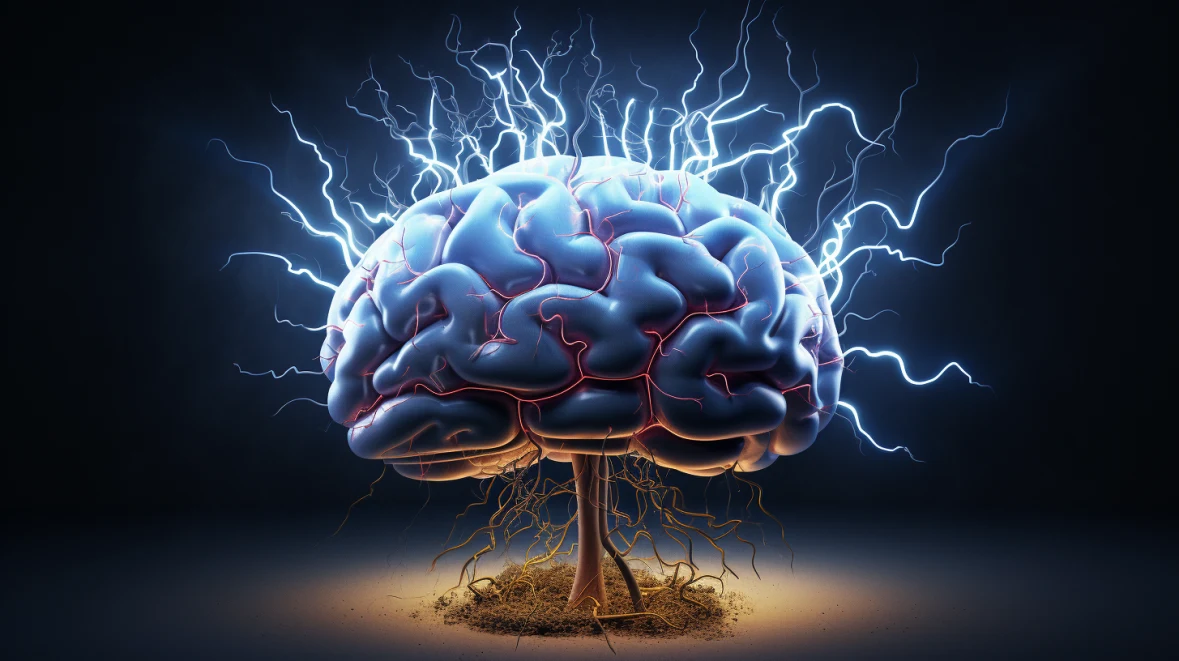
Brain zaps are brief, electric shock-like sensations felt in the brain that can occur when decreasing or stopping dosage of certain antidepressants. Though poorly understood, new research is shedding light on this perplexing phenomenon. Key Facts: Brain zaps a…
Read article ↗
Major depressive disorder (MDD) is a highly prevalent mental illness and leading cause of disability worldwide. While treatments exist, they are far from optimal and up to 30% of patients fail to respond. There is an urgent need to identify factors that may en…
Read article ↗