
New research finds that regular running is just as effective as antidepressants for treating depression and anxiety, and leads to better physical health outcomes. Key Facts: In a study of 141 patients, running therapy and antidepressant medication had comparab…
Read article ↗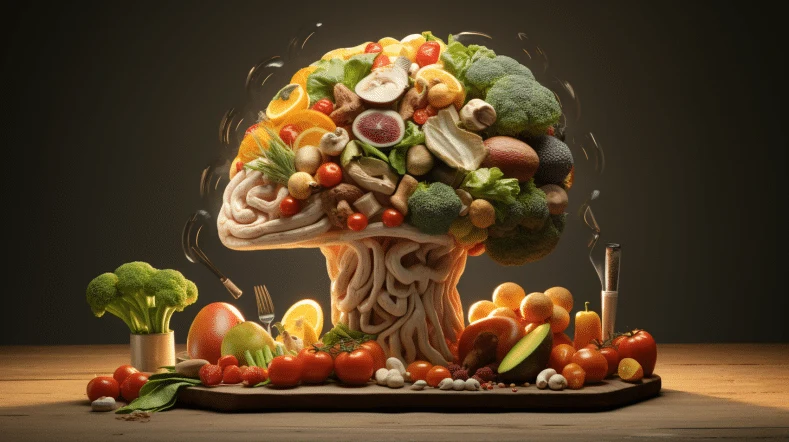
Food provides the building blocks for our mental and physical health. New research reveals that many common foods supply key neurotransmitters that regulate brain and nervous system function. Understanding how our diet provides these crucial molecules opens up…
Read article ↗
Medications are meant to treat medical conditions and improve health, but some can have the unintended consequence of weight gain, which can then worsen other health risks. Understanding which medications tend to cause weight gain and the mechanisms behind thi…
Read article ↗
Obesity has reached epidemic levels globally, with serious health and economic consequences. While lifestyle factors play a key role, genetics also influence a person’s susceptibility to weight gain or difficulty losing weight. An emerging field called pharmac…
Read article ↗
Phthalates, a class of chemicals used to make plastics more flexible and durable, may impact health across multiple generations. New research suggests phthalate exposure in one generation can lead to adverse effects in subsequent generations through changes in…
Read article ↗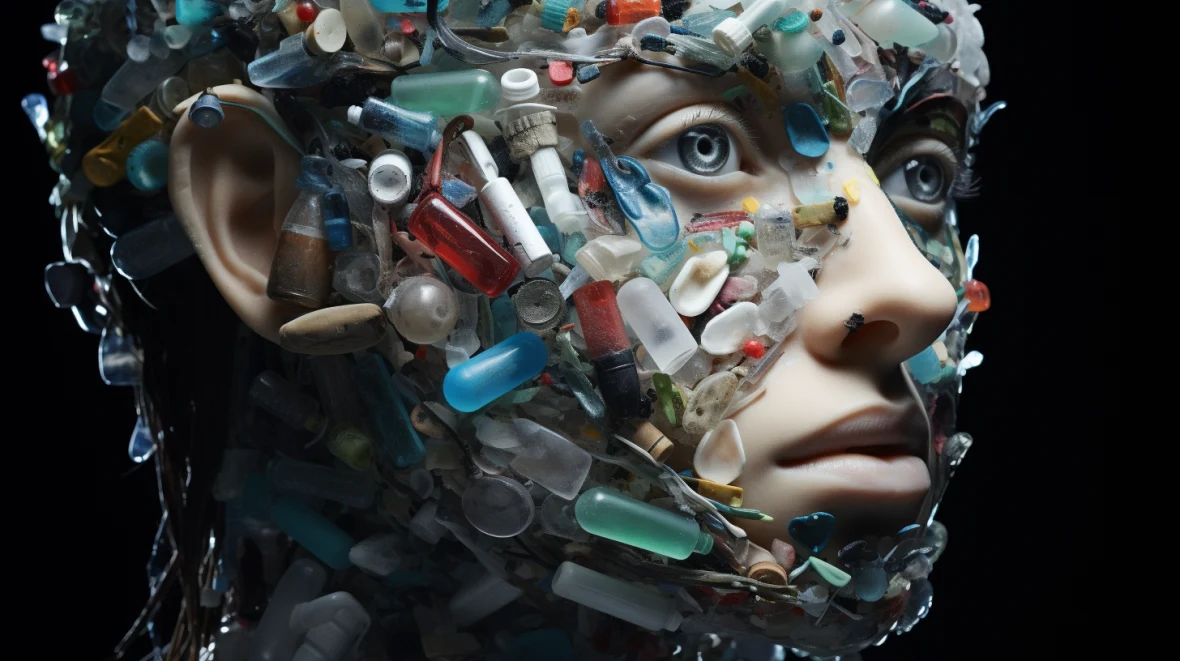
Plastics are everywhere in modern life, but they come with hidden health risks that demand our attention. Specifically, chemicals called phthalates used to soften plastics can pose significant risks to human health, especially for vulnerable groups like childr…
Read article ↗
Vegetable oils are an essential part of a healthy diet, providing essential fatty acids and other beneficial nutrients. A new comprehensive review analyzes the chemical composition and health benefits of 39 different vegetable oils. Key Facts: Vegetable oils c…
Read article ↗
Eating large amounts of ultra-processed foods may increase the risk of obesity, heart disease, stroke, depression, and early death, according to a new systematic review and meta-analysis. Key Facts: Ultra-processed foods are industrial formulations made with i…
Read article ↗
Humans and other complex organisms face a constant barrage of new harmful genetic mutations, yet somehow manage to persist and evolve despite this mutational load. New research reveals how populations can survive this onslaught through a delicate balancing act…
Read article ↗
Pesticides are chemical substances commonly used in agriculture to eliminate pests and enhance crop yields. However, indiscriminate use of pesticides has raised concerns about potential toxicity and adverse health effects in humans. Key Facts: Pesticide exposu…
Read article ↗