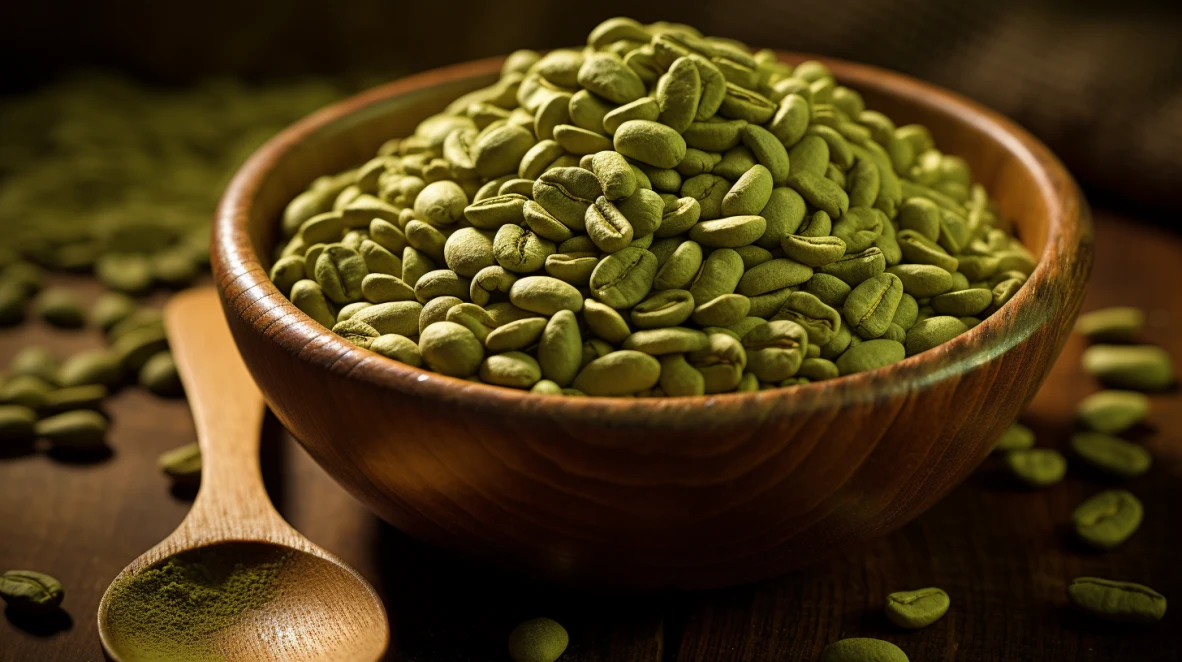
A new randomized, double-blind, placebo-controlled clinical trial provides evidence that a green coffee bean extract standardized to chlorogenic acids (CGA-7) can help with weight loss in healthy overweight adults. Key facts: CGA-7 supplementation for 12 weeks…
Read article ↗
Recent research suggests that adjusting overall diet, rather than taking supplements, may help improve symptoms of depression. Whole food and whole diet interventions show promise as adjunctive treatments for depression, though more research is still needed. K…
Read article ↗
Depression is a major global health issue, but diet may be an effective yet overlooked treatment approach. New research identifies the top food sources of 12 key nutrients that help prevent and treat depression. Oysters, organ meats, leafy greens, lettuces, pe…
Read article ↗
Eating well may help prevent and treat depression, according to growing evidence from studies on diet and mental health. Key facts: Following an overall healthy diet high in fruits, vegetables, whole grains, fish, and olive oil is associated with a lower risk…
Read article ↗
Intelligence predicts health and mortality – but why? New research reveals some genes are implicated in both. Key facts: Intelligence test scores predict mortality, illnesses, and health behaviors. Higher scores indicate lower risk. Both intelligence and healt…
Read article ↗
Nutrition plays a major role in mental health, with diet quality closely linked to risk of common mental disorders like depression. This review comprehensively analyzes recent research on the impacts of nutrition on mental health and the use of nutritional int…
Read article ↗
A new study finds that adolescents who identify as multiracial face greater health and behavior risks compared to peers who identify with one race. Key findings show mixed-race youth have higher rates of health issues, substance use, suicidal thoughts, sexual…
Read article ↗
Wastewater from pharmaceutical plants and research facilities may contain concerning levels of toxic chemicals and drugs. As this water is often reused for irrigation or finds its way into drinking water, it poses significant public health risks that urgently…
Read article ↗
Rhodiola rosea is an adaptogenic herb with numerous scientifically-validated benefits for brain health and cognitive function. This medicinal plant can stimulate the nervous system, enhance work performance, and help treat stress-induced conditions like anxiet…
Read article ↗
Per- and polyfluoroalkyl substances, also known as PFAS, are a large group of man-made chemicals that have been used in industrial and consumer products worldwide since the 1940s. Research is now showing that these “forever chemicals” can accumulate in the hum…
Read article ↗