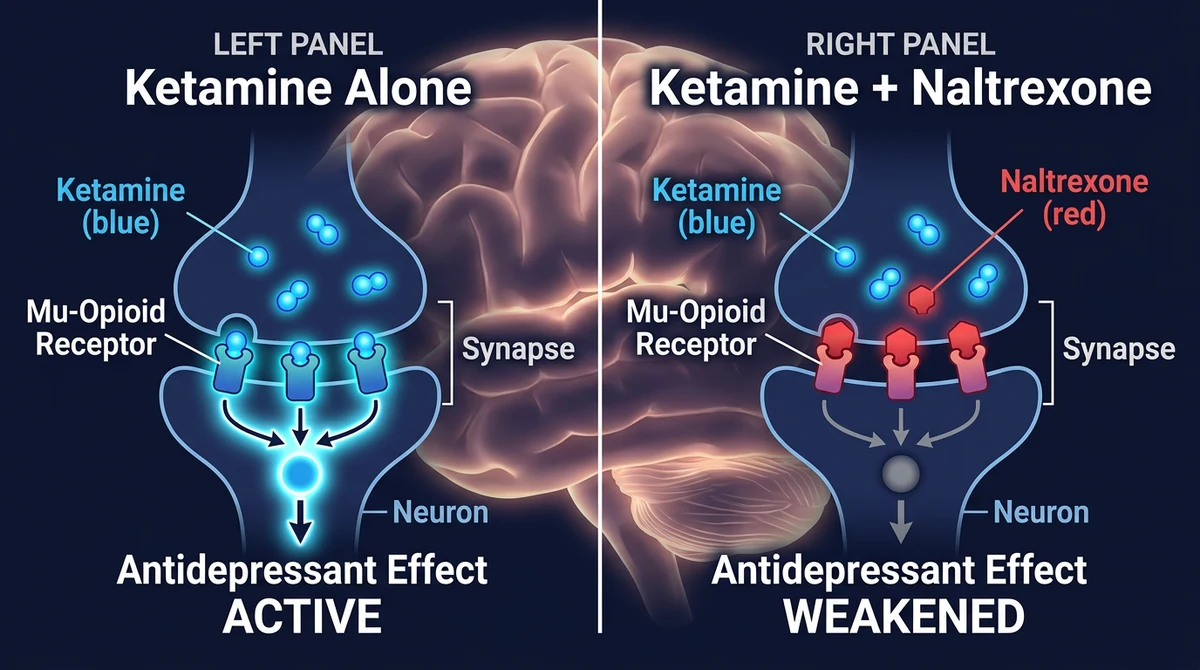
Opioid System Activation is Required for Ketamine’s Antidepressant Effects Ketamine is fast—a single subanesthetic infusion reduces severe depression symptoms within hours, not weeks. But the mechanism remains incompletely understood. For nearly two decades, r…
Read article ↗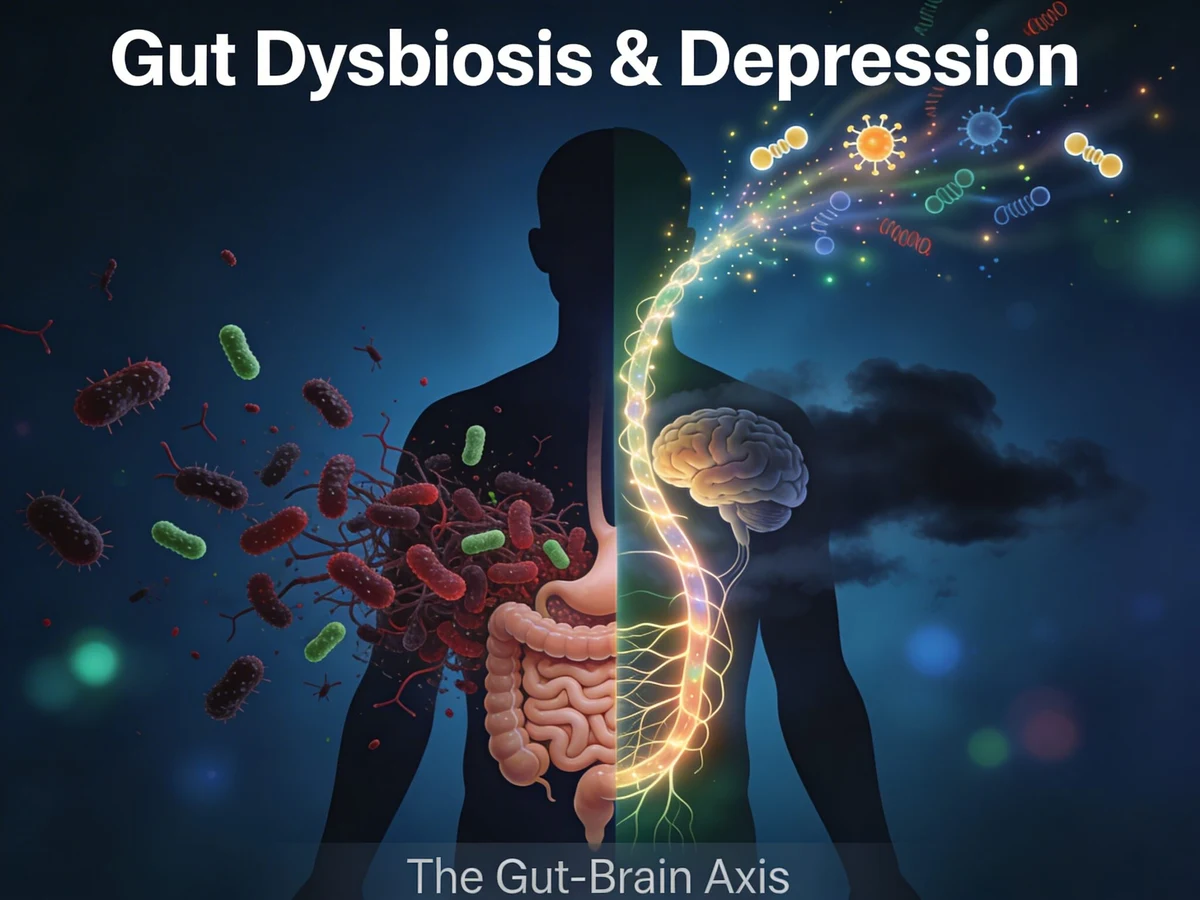
Dysbiotic Gut Microbiota Depletes Amino Acids and Triggers Depression in Youth Depression in children and adolescents affects 4–5% of youth worldwide, with rates climbing steeply over the past decade. Conventional treatment targets serotonin—but new evidence r…
Read article ↗
Elevated fingernail cortisol levels can distinguish individuals with lifetime major depressive disorder (MDD) from healthy controls, suggesting it as a promising biomarker for MDD. Highlights: Individuals with lifetime MDD had significantly higher fingernail c…
Read article ↗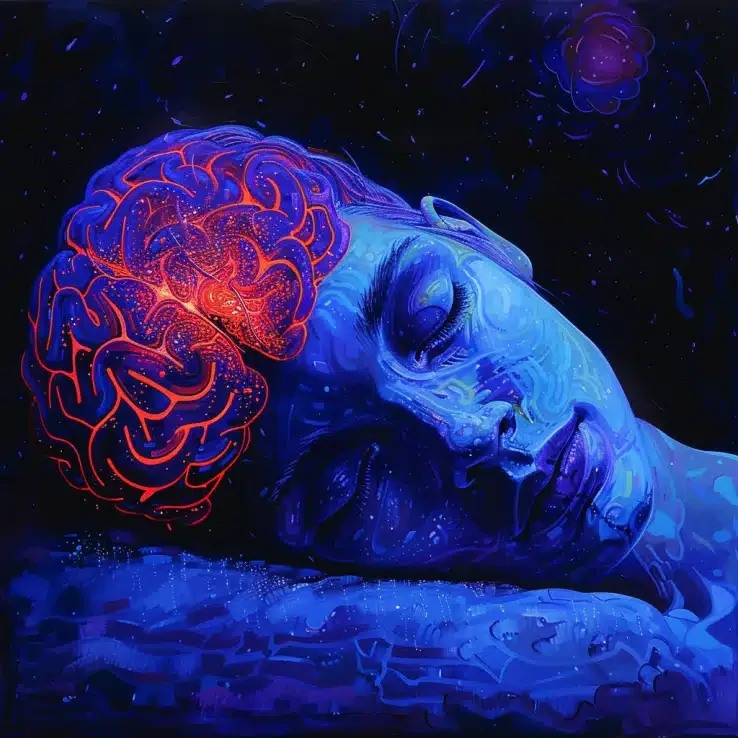
Insomnia and daytime napping are causally associated with an increased risk of major depressive disorder (MDD), while sleep duration influences the risk of schizophrenia and attention-deficit/hyperactivity disorder (ADHD). Highlights: Major Depressive Disorder…
Read article ↗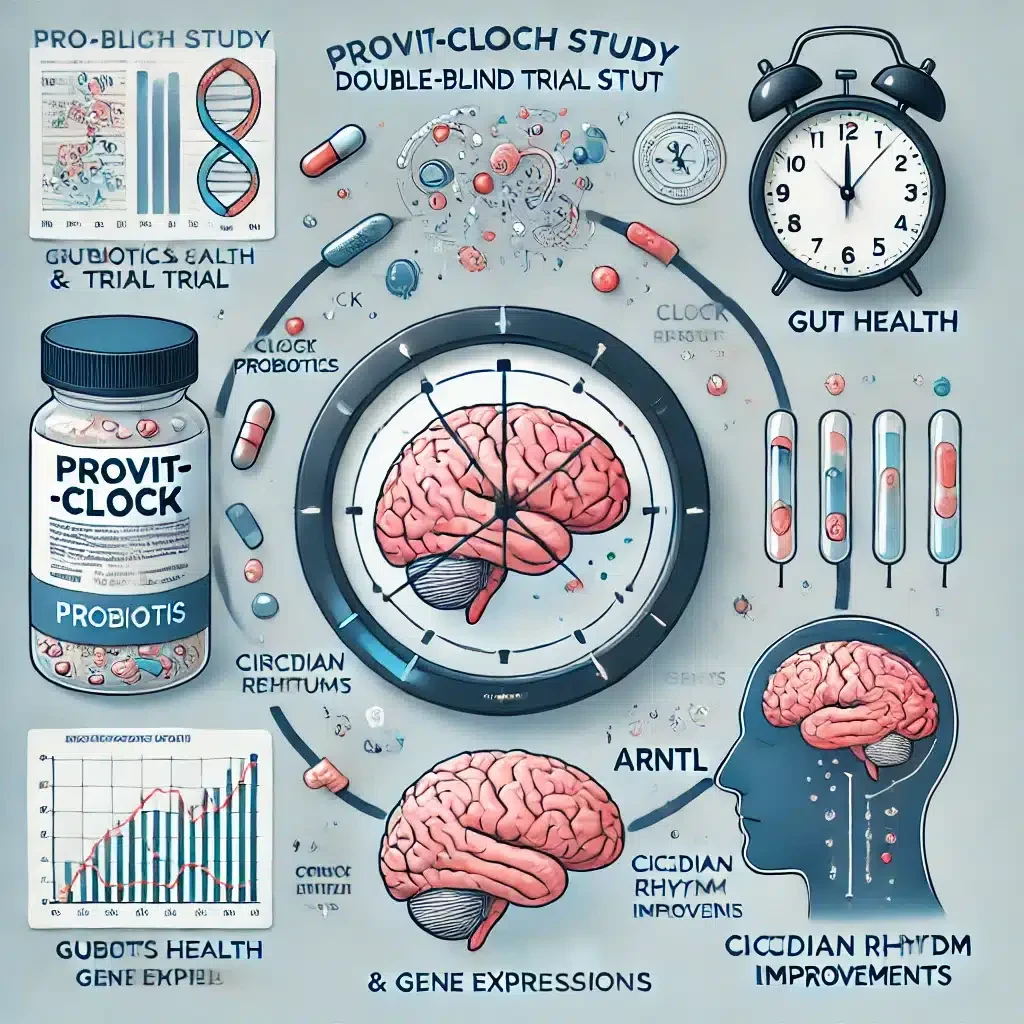
Probiotic treatment may influence core clock gene expression and metabolites in individuals with major depressive disorder (MDD), potentially linking gut microbiota to circadian rhythms and mood regulation. Highlights: CLOCK Gene Expression: The expression lev…
Read article ↗
CYP2C19 poor metabolizers showed a nominally higher antidepressant remission rate compared to normal metabolizers, but overall genetic variations in CYP2C19 and CYP2D6 were not significantly associated with antidepressant response. Highlights: Higher Remission…
Read article ↗
Elevated methylmalonic acid (MMA) levels are associated with depressive symptoms and increased mortality risk, but depressive symptoms do not mediate the relationship between MMA and mortality. Highlights: Each standard deviation increase in MMA is associated…
Read article ↗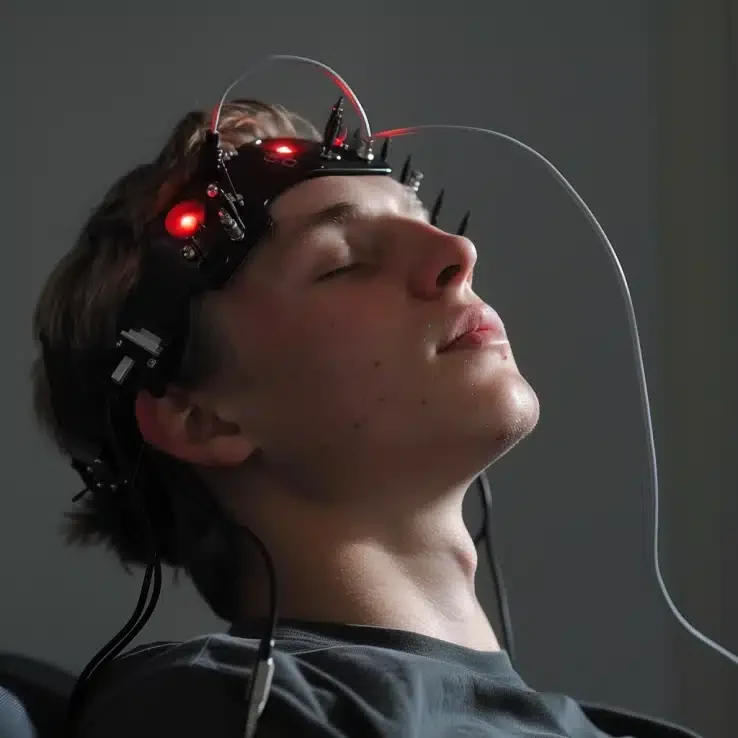
Transcranial direct current stimulation (tDCS) targeting the left dorsolateral prefrontal cortex (DLPFC) at 2-mA intensity effectively alleviates depressive symptoms and shows promise in reducing anxiety symptoms across various clinical conditions. Highlights:…
Read article ↗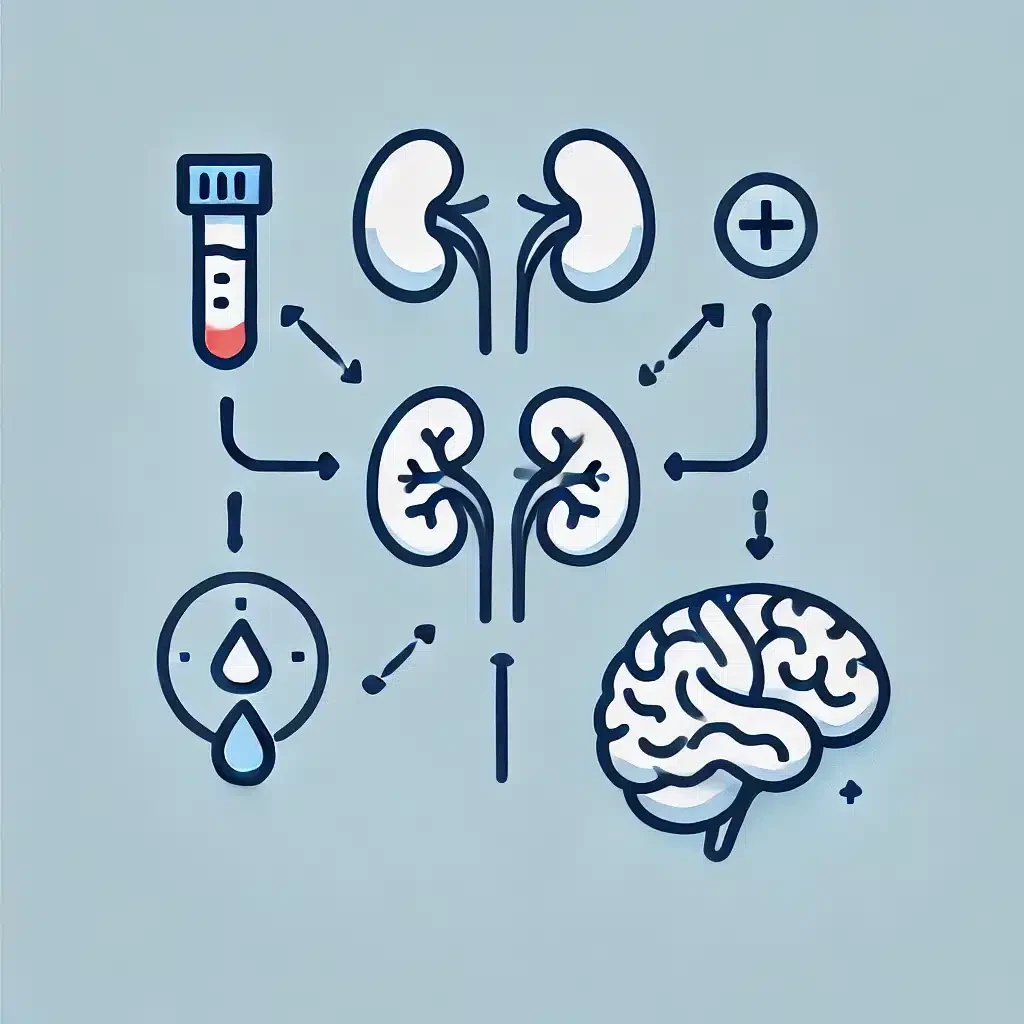
Elevated blood urea nitrogen and creatinine ratio (BUNCr) is associated with decreased cognitive function and increased depressive symptoms, with depressive symptoms mediating part of the relationship between BUNCr and cognitive decline. Highlights: BUNCr has…
Read article ↗
A study found shared brain-specific mechanisms between Alzheimer’s disease (AD) and depression, particularly involving synaptic signaling and immune system pathways in the hippocampus, but no direct genetic overlap. Highlights: Six brain-specific eQTL genes (S…
Read article ↗