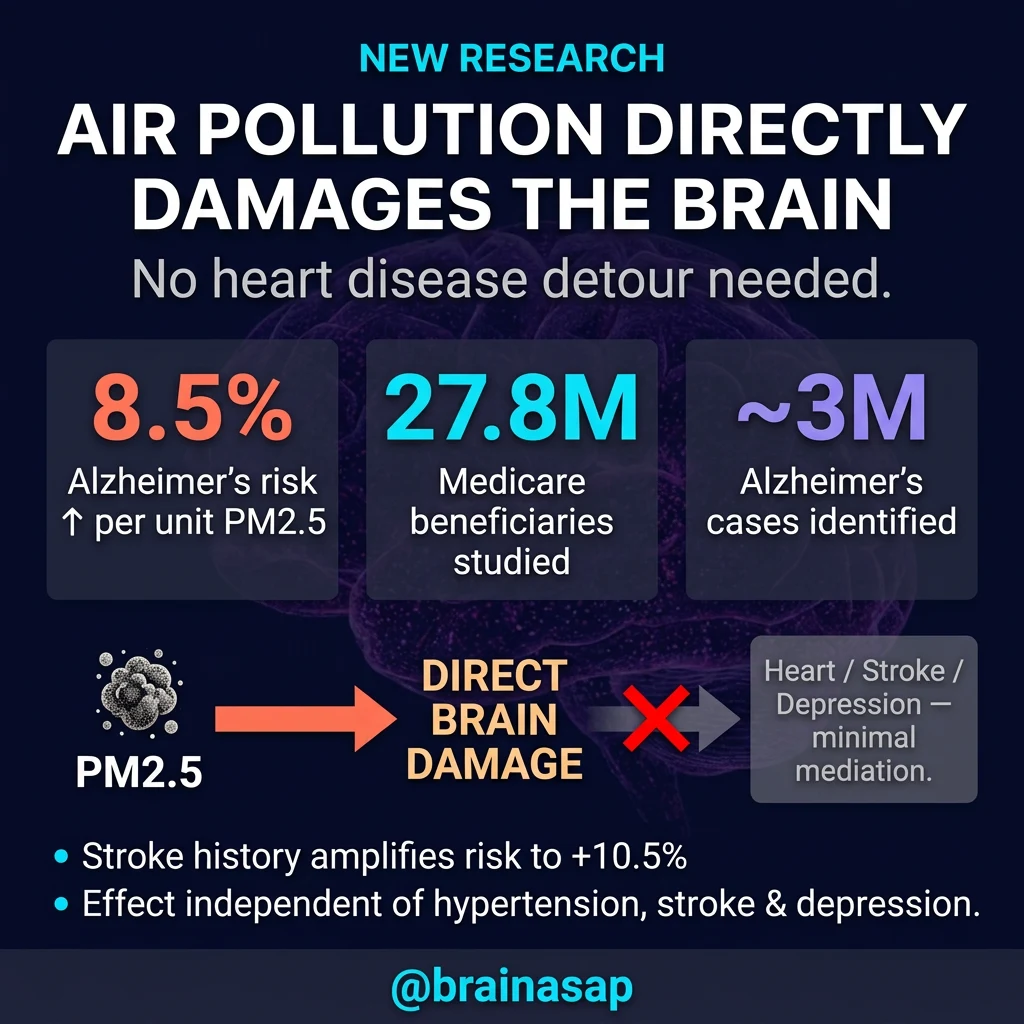
Dirty Air, Fragile Brain: PM2.5’s Direct Link to Alzheimer’s TL;DR: A massive study of 27.8 million Medicare beneficiaries found that exposure to fine air pollution (PM2.5) increases Alzheimer’s risk by 8.5% per unit increase—and this effect operates largely t…
Read article ↗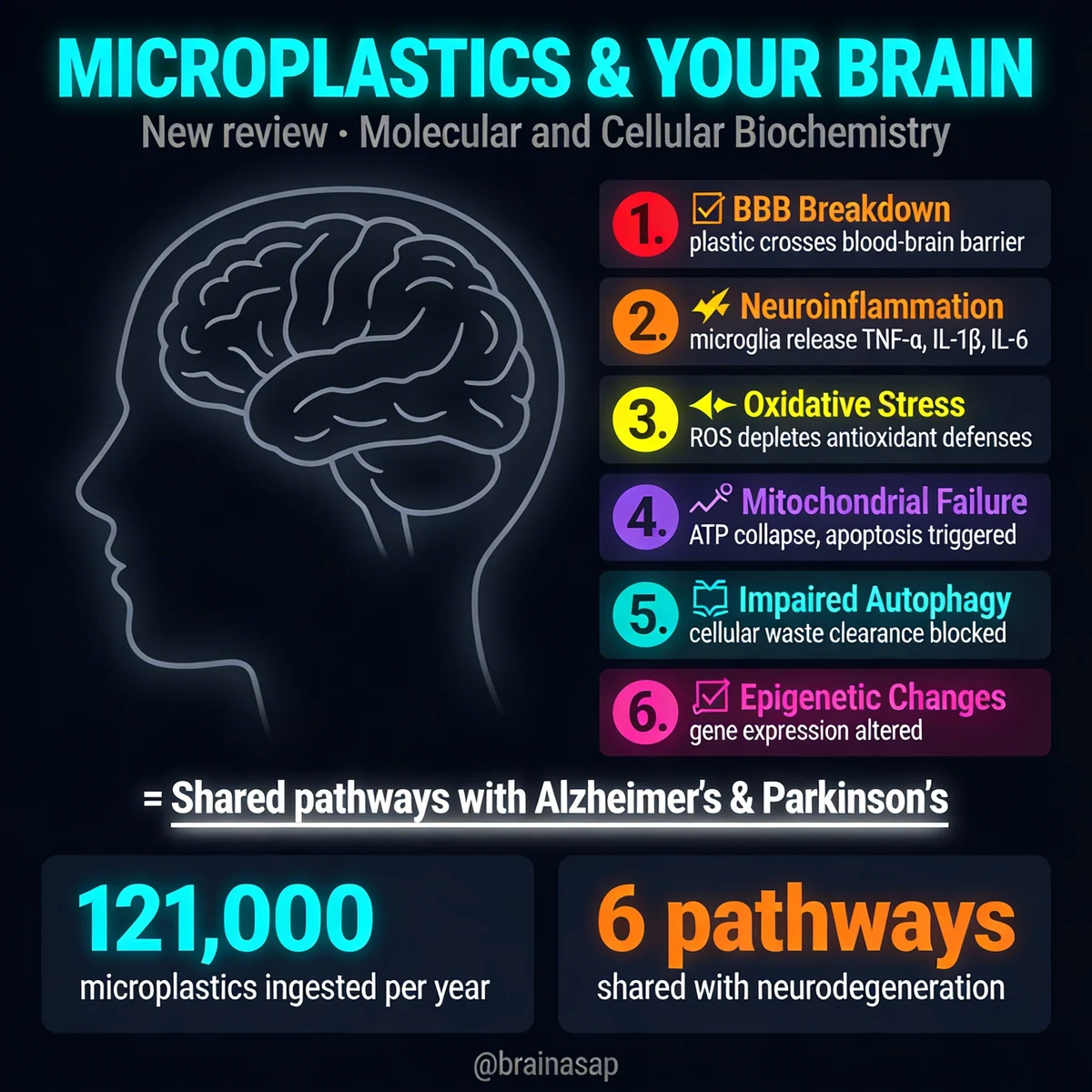
Microplastics and Brain Damage: The Hidden Link TL;DR: Microplastics circulating in your blood may accelerate Alzheimer’s and Parkinson’s disease through six shared pathways—including blood-brain barrier breakdown, chronic inflammation, and oxidative stress. Y…
Read article ↗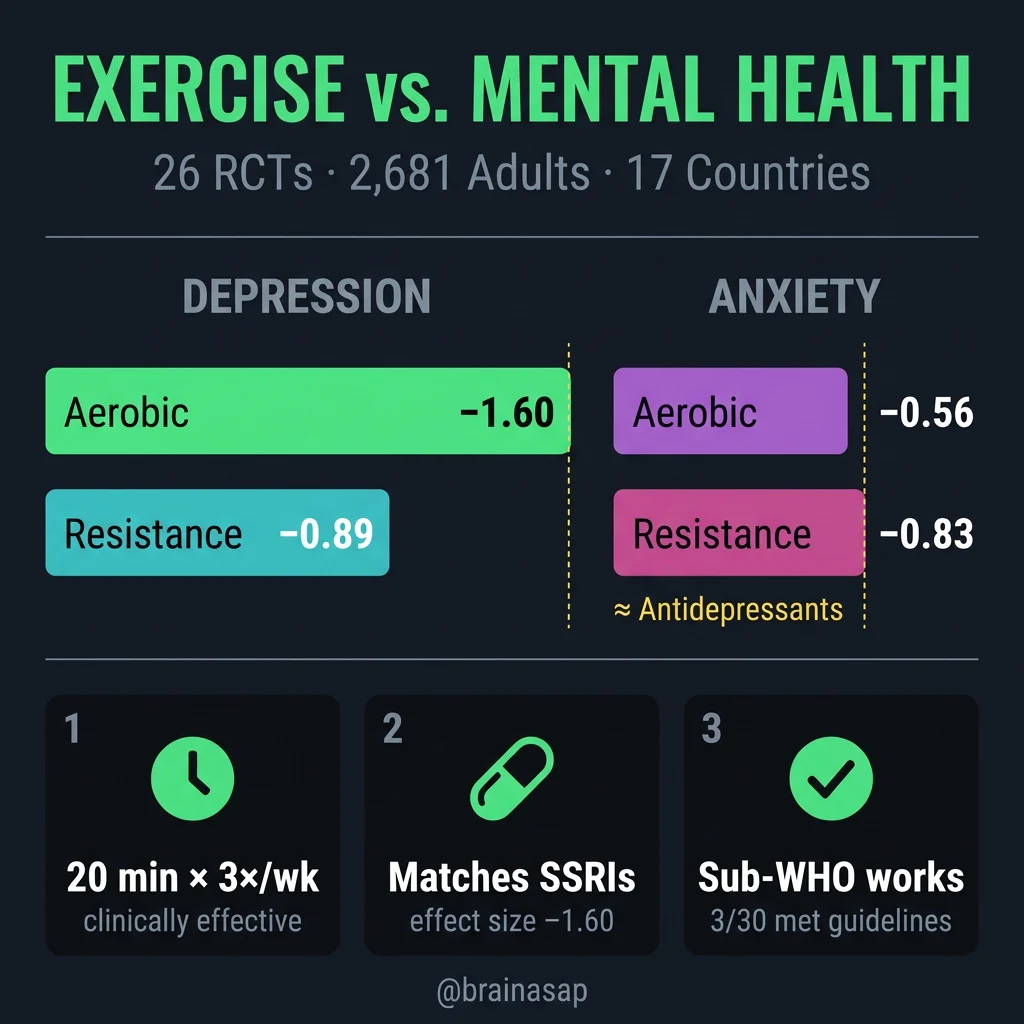
Exercise Beats Medication for Depression, But Which Type Matters Most? TL;DR: Aerobic exercise matches antidepressant efficacy for depression with effect size −1.60, resistance training slightly edges aerobic for anxiety, and neither requires meeting WHO guide…
Read article ↗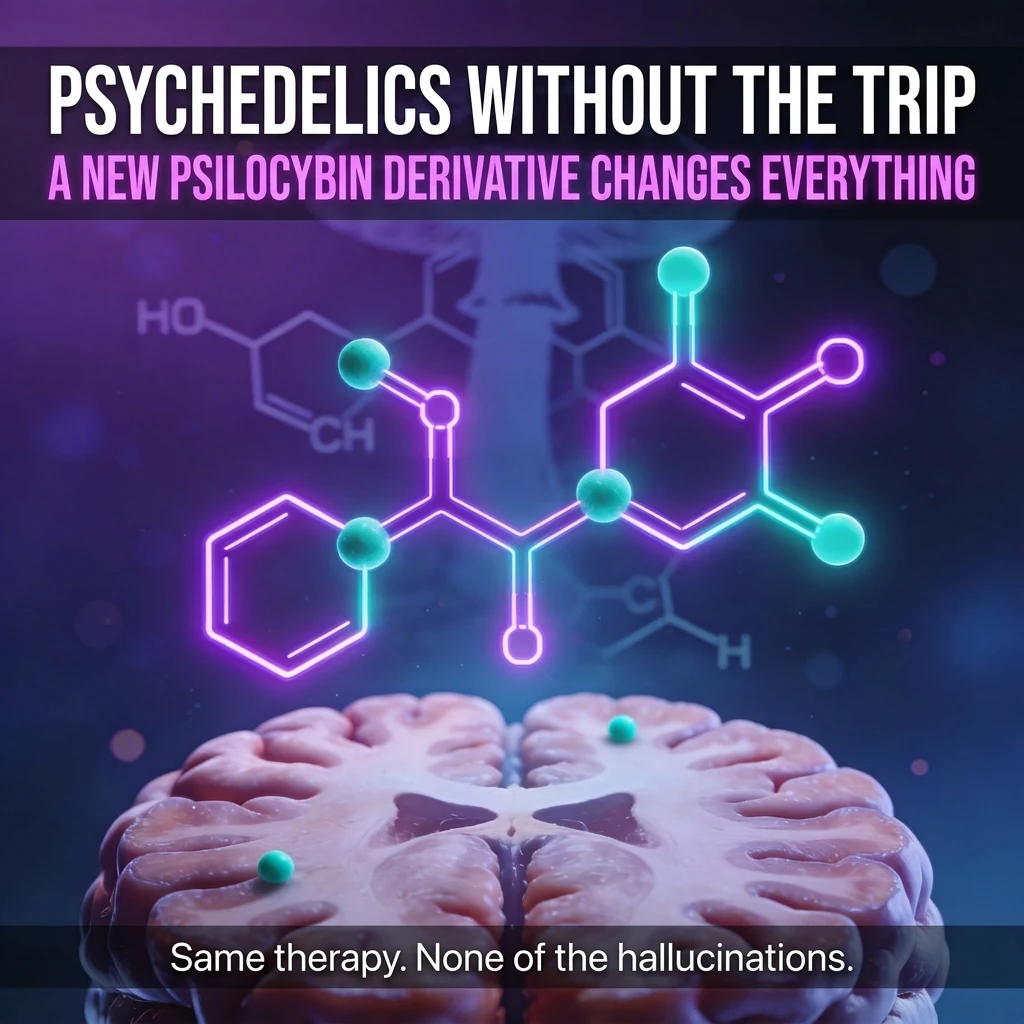
Fluorinated Psilocin: The Sub-Hallucinogenic Breakthrough TL;DR: Chemists designed a new psilocin derivative with fluorine modifications that induces sub-hallucinogenic effects in mice, sidestepping the acute psychological effects of classic psychedelics while…
Read article ↗
Blood Test Predicts Alzheimer’s 3-4 Years Early TL;DR: A blood test measuring phosphorylated tau-217 can predict when cognitively normal people will develop Alzheimer’s symptoms with a 3.0-3.7 year margin of error, potentially transforming how researchers iden…
Read article ↗
Blood Test Detects Alzheimer’s with 83% Accuracy TL;DR: A new blood test using three misfolded plasma proteins can identify Alzheimer’s disease with 83.44% accuracy, outperforming conventional biomarkers and offering a non-invasive screening tool years before…
Read article ↗
The Brain That Won’t Shut Down: How Fragmented REM Sleep Breeds Depression TL;DR: Chronic insomnia fragments REM sleep through persistent hyperarousal, preventing emotional memory consolidation and creating a vicious cycle that breeds depression—but cognitive-…
Read article ↗
Obesity and Depression Share Five Converging Biological Pathways Obesity and depression represent two of the world’s fastest-growing epidemics. By 2030, over 1 billion people will have obesity, while depression will affect more than 350 million. Yet they are r…
Read article ↗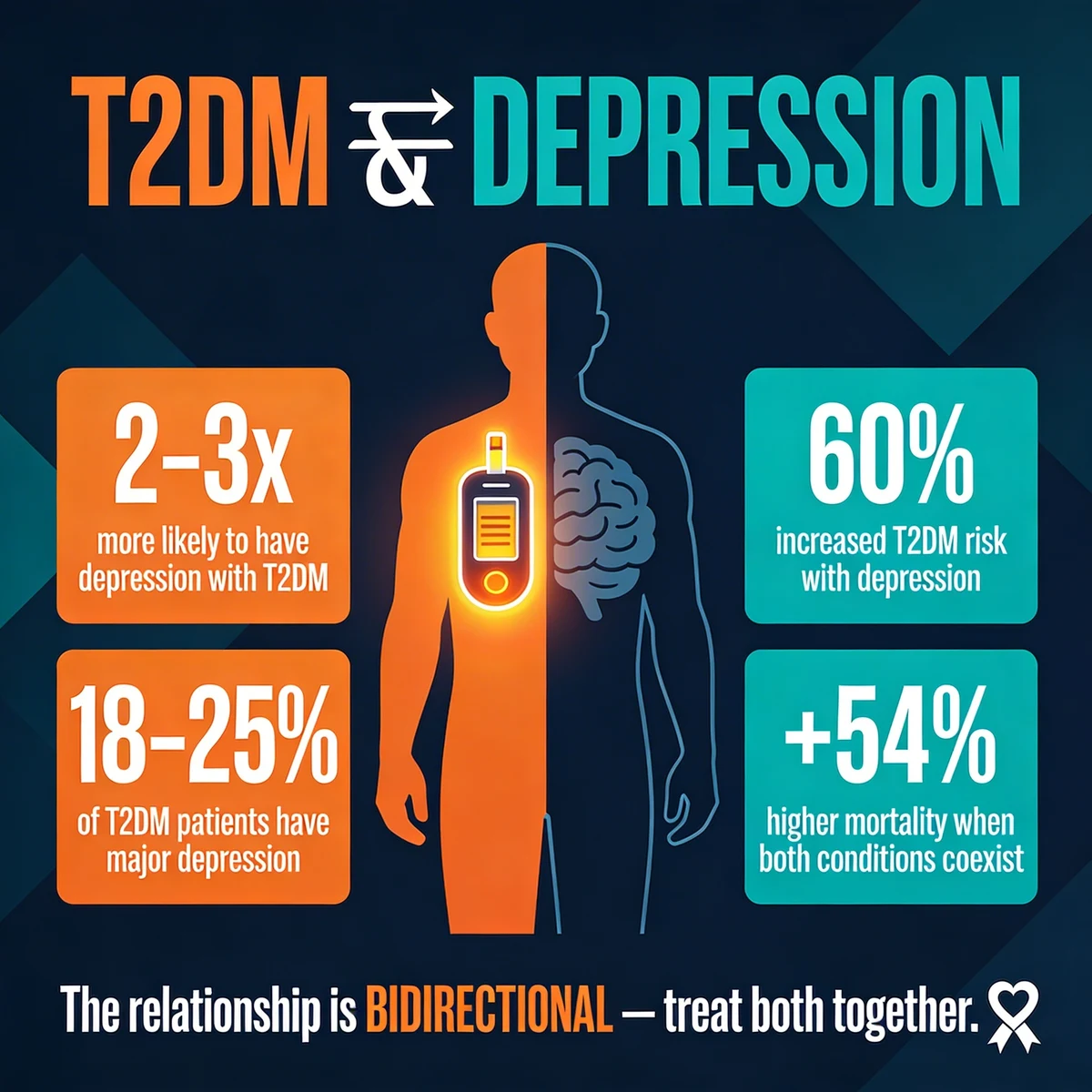
Diabetes and Depression Are Not Just Comorbidities—They Drive Each Other TL;DR: Diabetes and depression form a vicious cycle: high blood sugar triggers neuroinflammation and HPA axis dysfunction that cause depression, while depression sabotages blood sugar con…
Read article ↗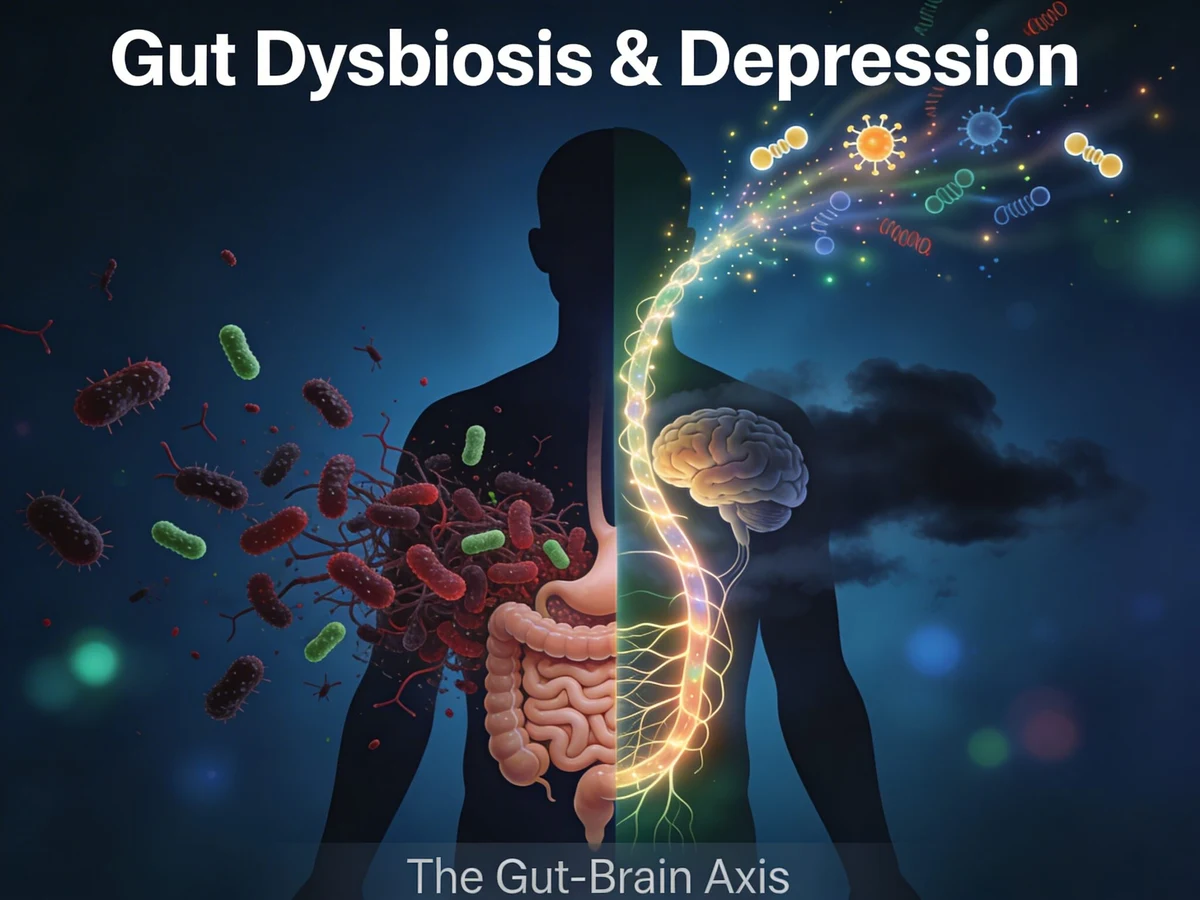
Dysbiotic Gut Microbiota Depletes Amino Acids and Triggers Depression in Youth Depression in children and adolescents affects 4–5% of youth worldwide, with rates climbing steeply over the past decade. Conventional treatment targets serotonin—but new evidence r…
Read article ↗