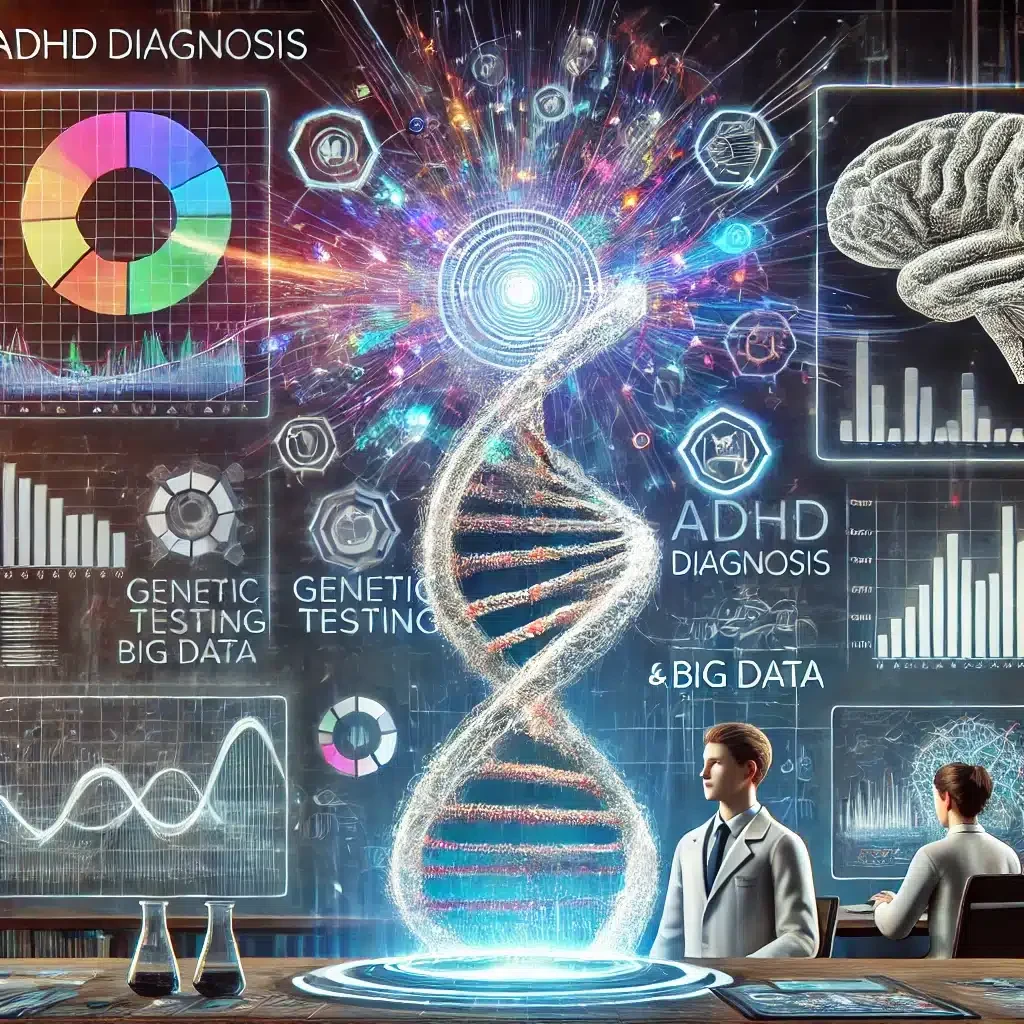
The ADHD polygenic score (PGS) adds slight yet statistically significant value to existing ADHD diagnostic tools, though it currently lacks clinical utility. Highlights: Study Overview: Researchers tested if adding a genetic score (ADHD PGS) to traditional dia…
Read article ↗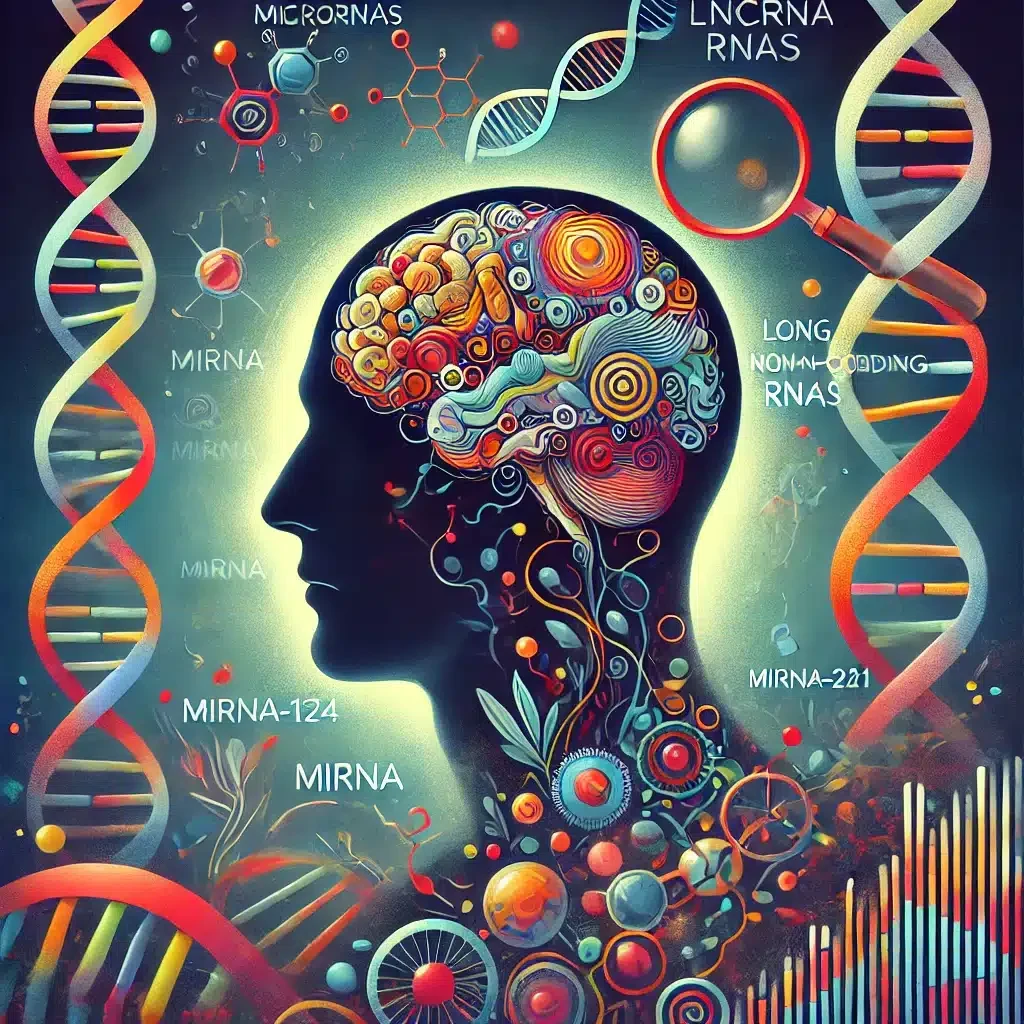
The study suggests that microRNAs (miRNAs) and long non-coding RNAs (lncRNAs) in blood and brain tissues can serve as significant biomarkers for diagnosing and monitoring major depressive disorder (MDD). Highlights: Diagnostic Potential: miRNAs and lncRNAs sho…
Read article ↗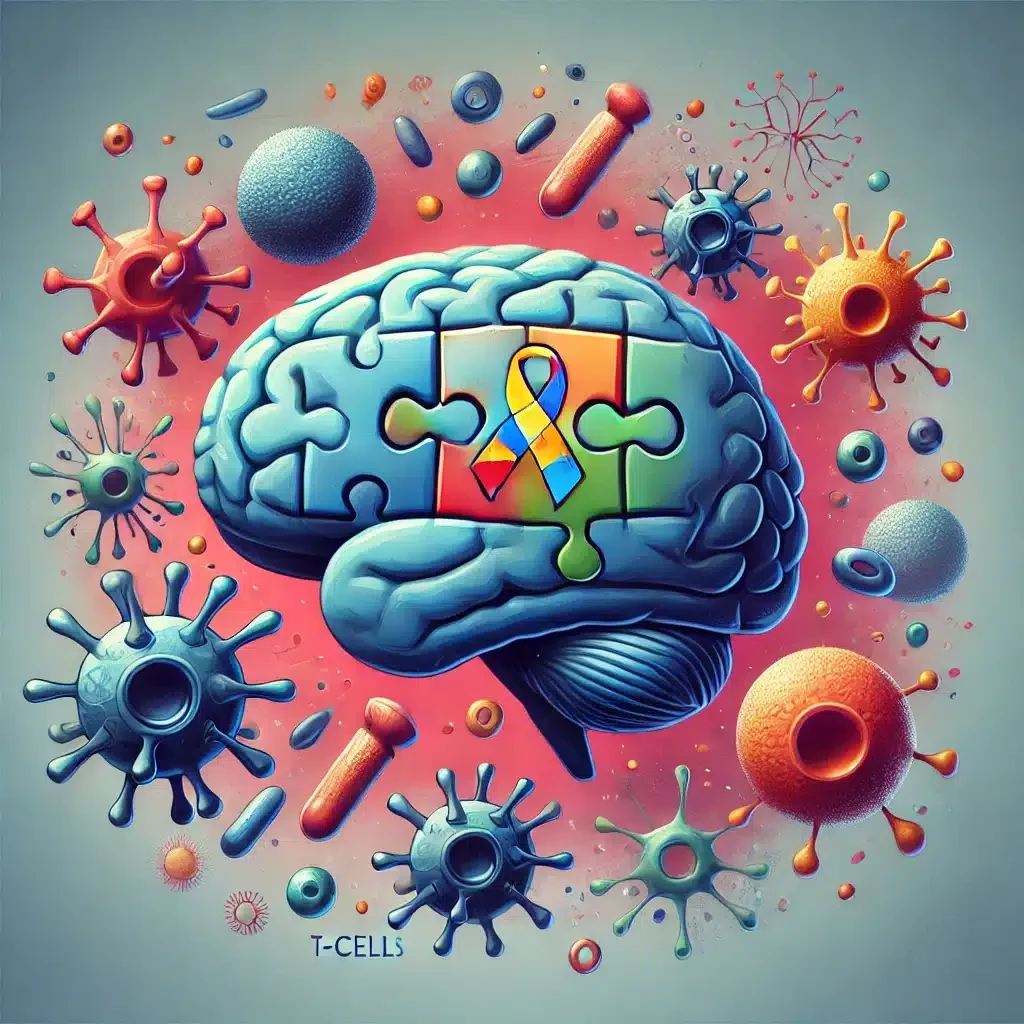
A study reported significant causal relationships between specific immune cell subtypes and autism spectrum disorder (ASD), highlighting 26 genetic correlations and potential biomarkers for early detection and treatment. Highlights: Significant Genetic Correla…
Read article ↗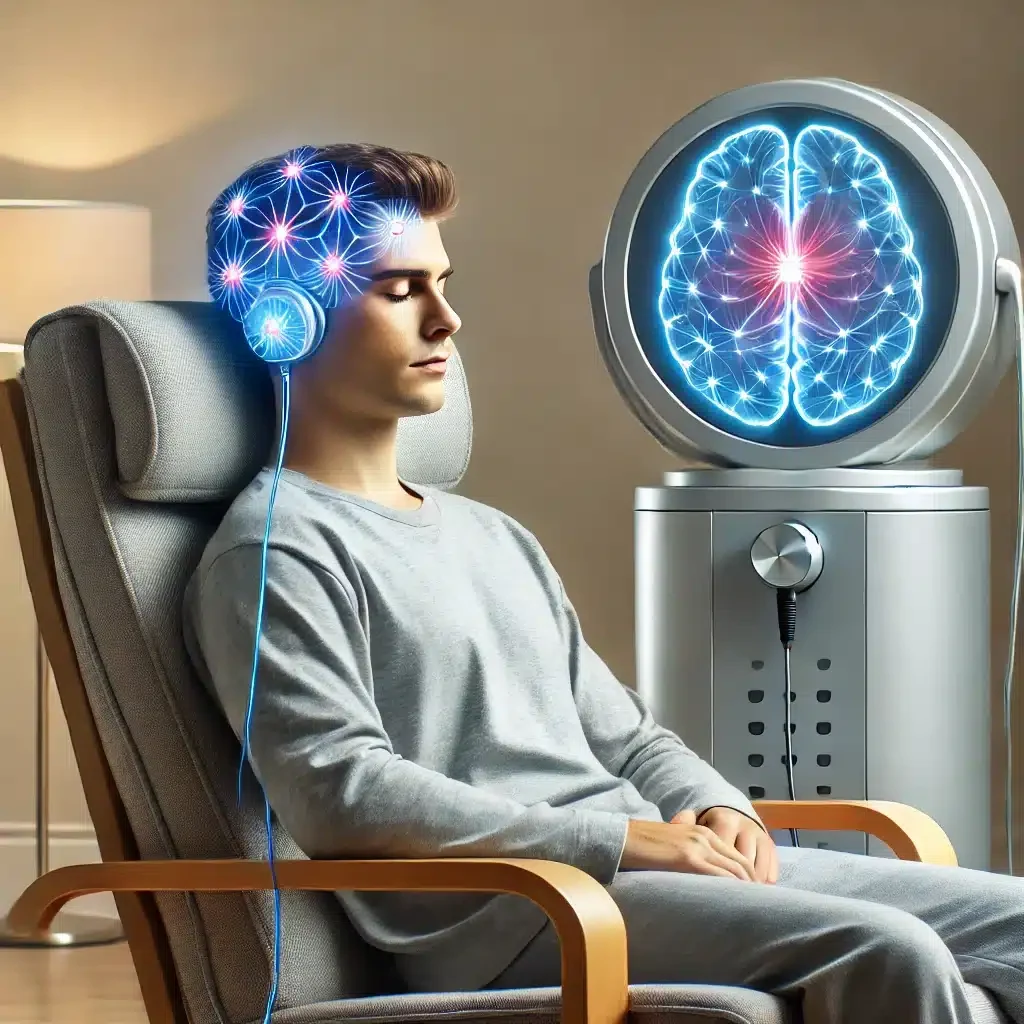
Transcranial magnetic stimulation (TMS) is underutilized in treating major depressive disorder (MDD) despite showing significant clinical benefits, with barriers including insurance coverage and limited access. Highlights: Study Scope: Analyzed real-world data…
Read article ↗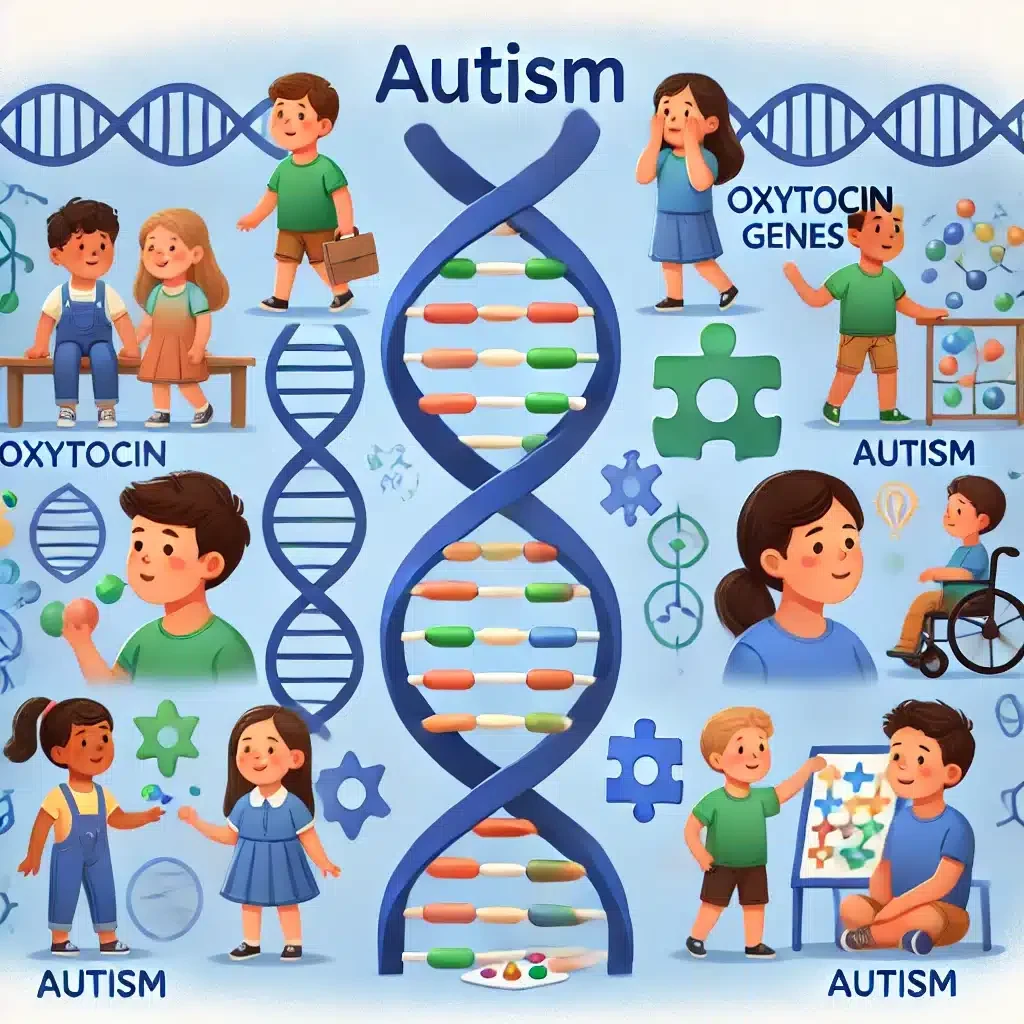
A study found that certain genetic variations in the oxytocin receptor gene (OXTR) were associated with different aspects of social understanding abilities in children with and without autism. Highlights: In typically developing children, one genetic variation…
Read article ↗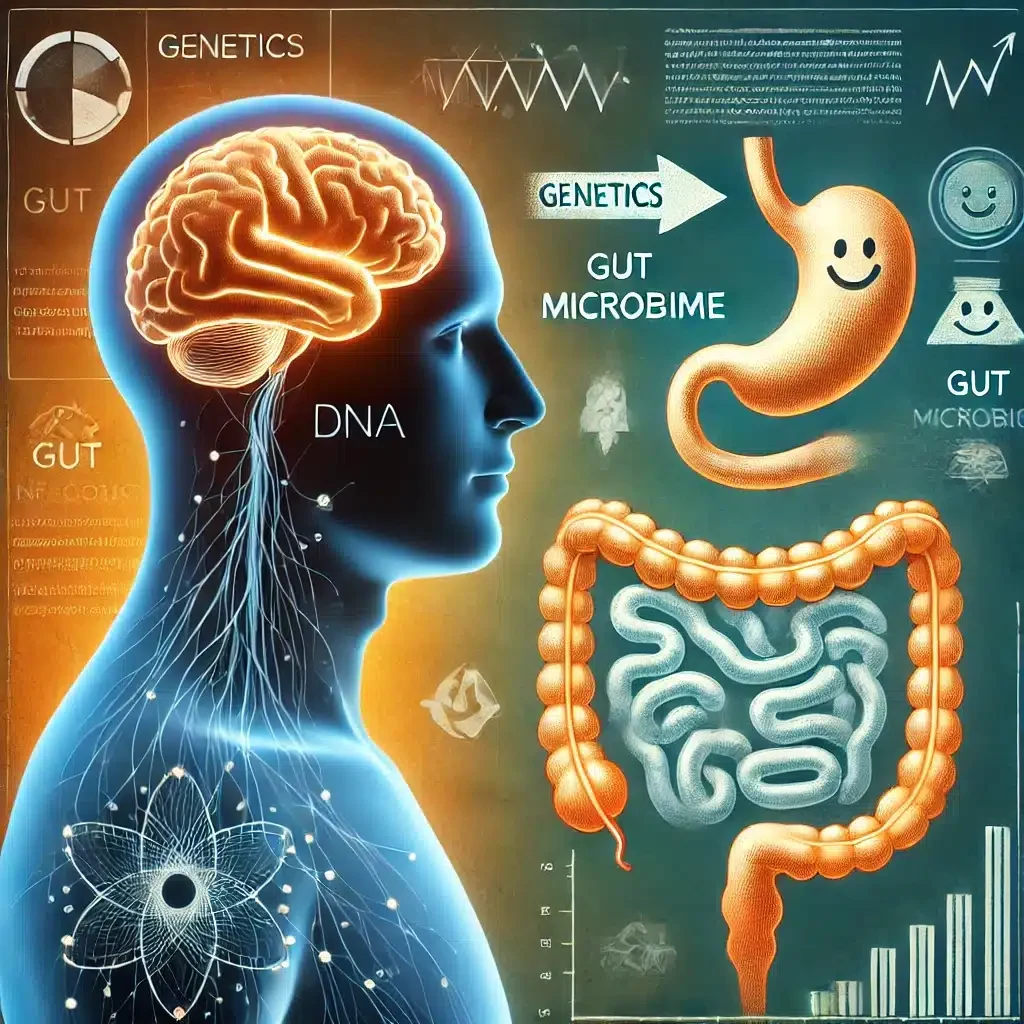
Alterations in the gut microbiome are causally linked to major depressive disorder (MDD), with certain gut bacteria either increasing or decreasing the risk of developing MDD. Highlights: Protective Bacteria: Ten gut bacterial taxa, including phylum Actinobact…
Read article ↗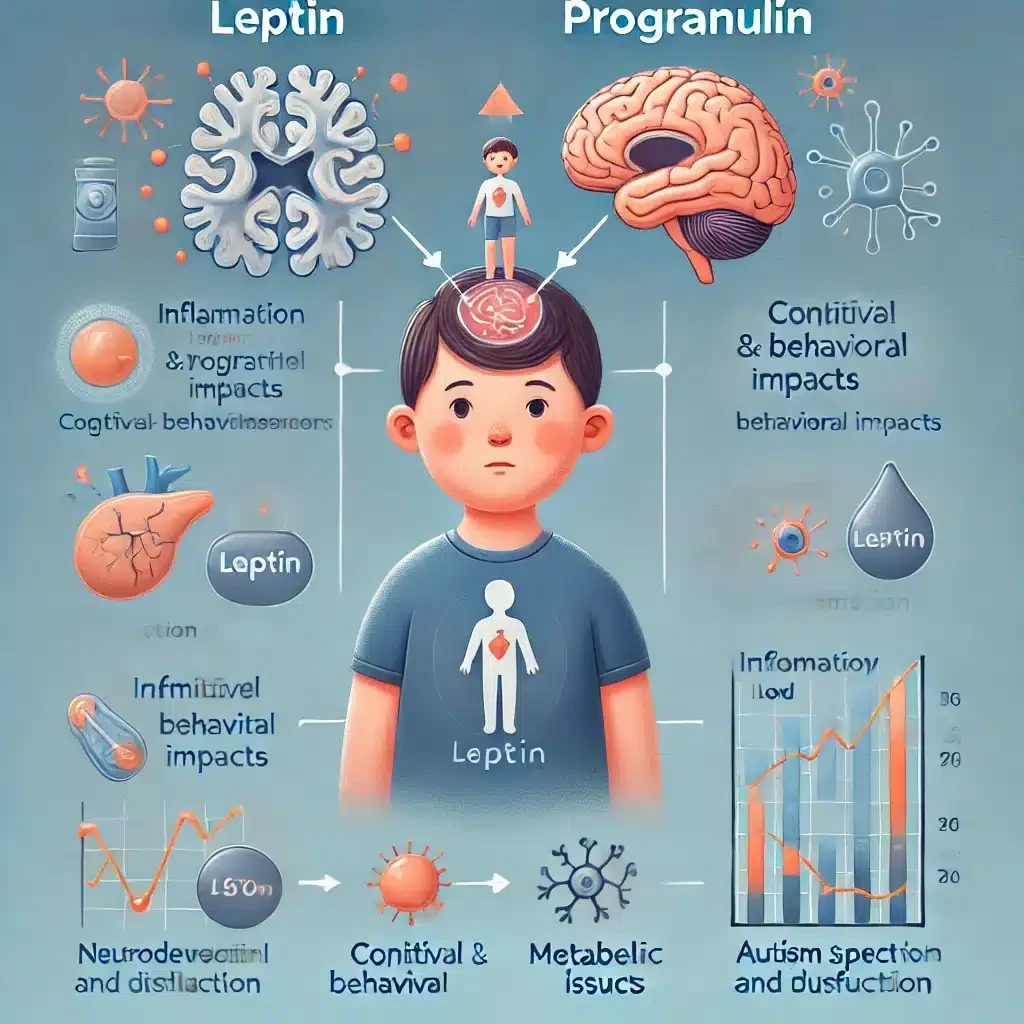
Leptin levels are significantly increased in children with autism spectrum disorder (ASD) compared to healthy controls, suggesting a potential role in ASD pathology. Highlights: Leptin Levels: Children with ASD have significantly higher serum leptin levels com…
Read article ↗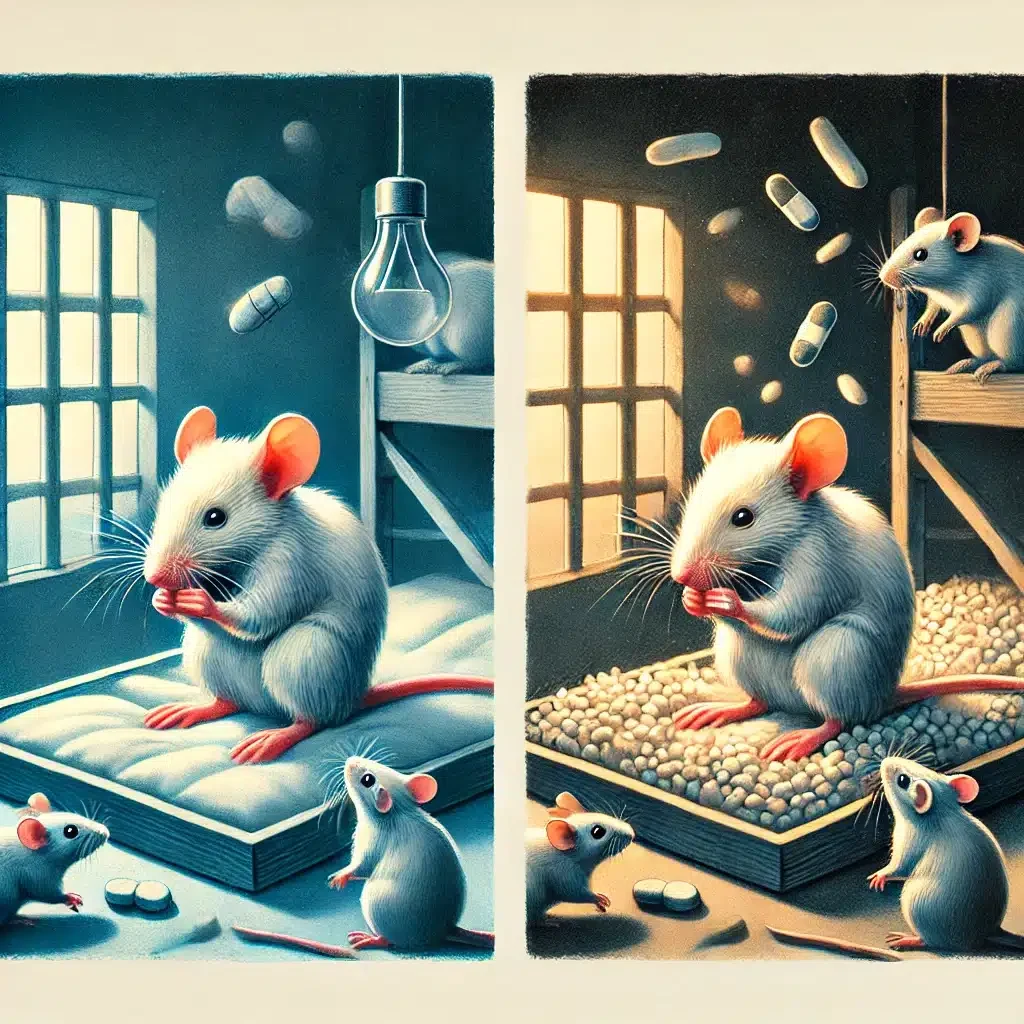
Allopregnanolone shows antidepressant-like effects in mice by increasing social interaction and specific brain wave activities, unlike diazepam. Highlights: Allopregnanolone: Allopregnanolone, a neuroactive steroid, increases social interaction time in mice ex…
Read article ↗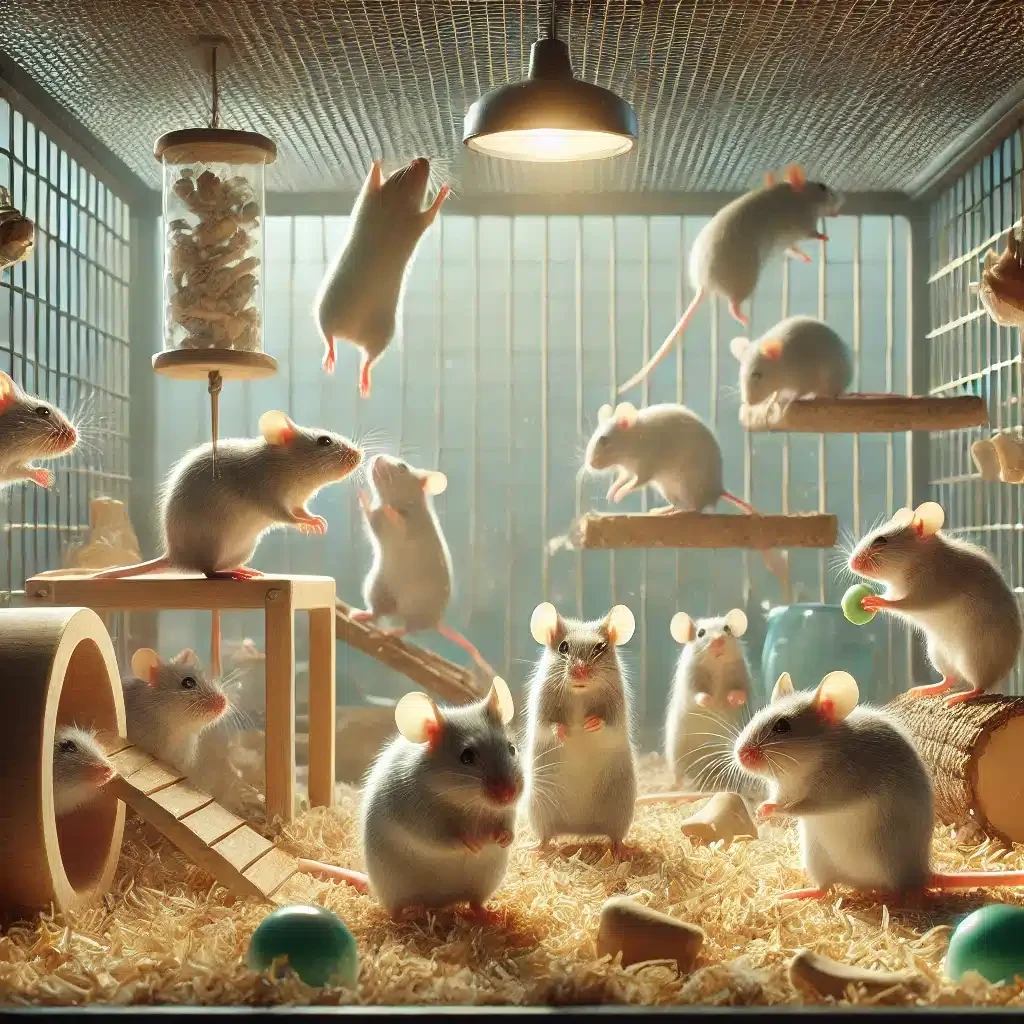
Resocialization significantly reduces depressive behaviors in socially isolated mice by decreasing neuroinflammation and nitrite levels in the hippocampus. Highlights: Depressive Behaviors: Resocialization reduced depressive behaviors in socially isolated mice…
Read article ↗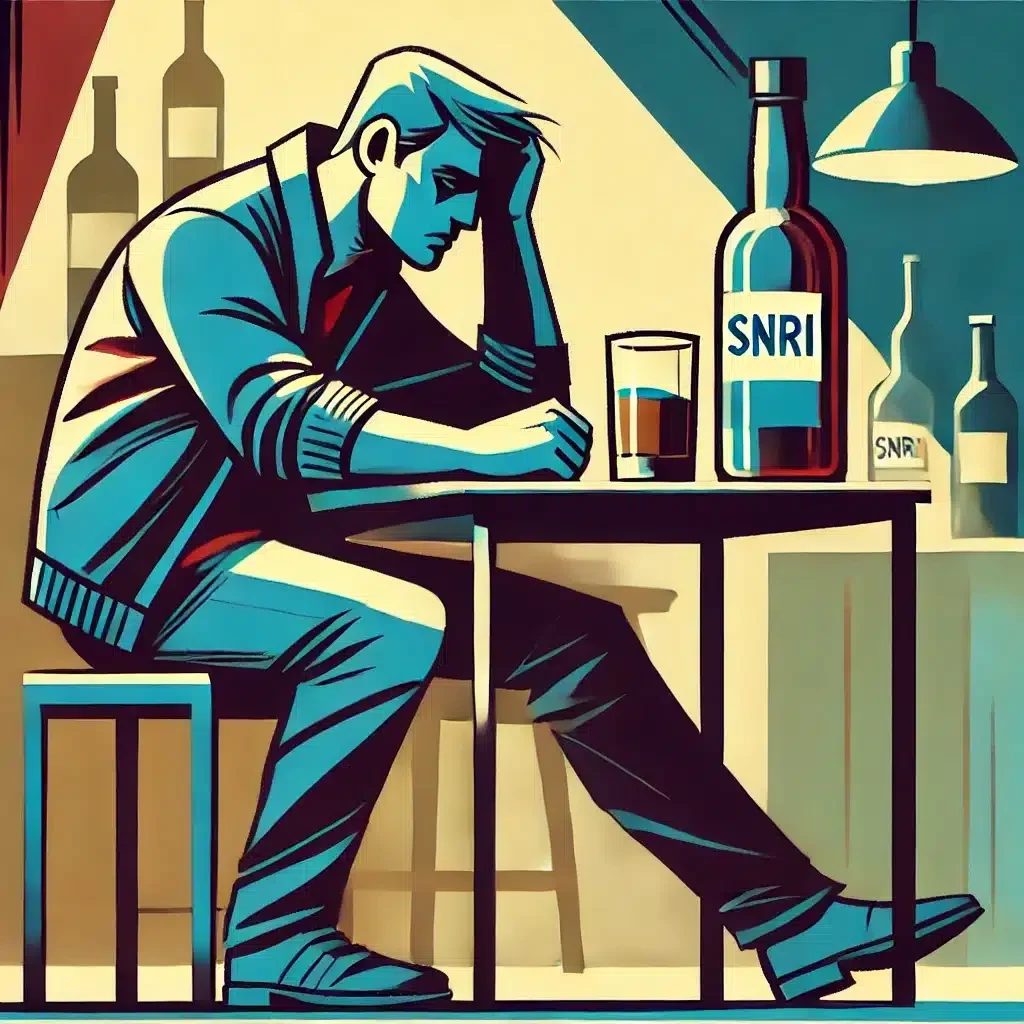
Moderate alcohol intake in men treated with SNRI antidepressants significantly increases the risk of depression relapse, according to a new study. Highlights: Risk Increase with SNRIs: Men with moderate alcohol consumption and elevated liver enzymes are signif…
Read article ↗