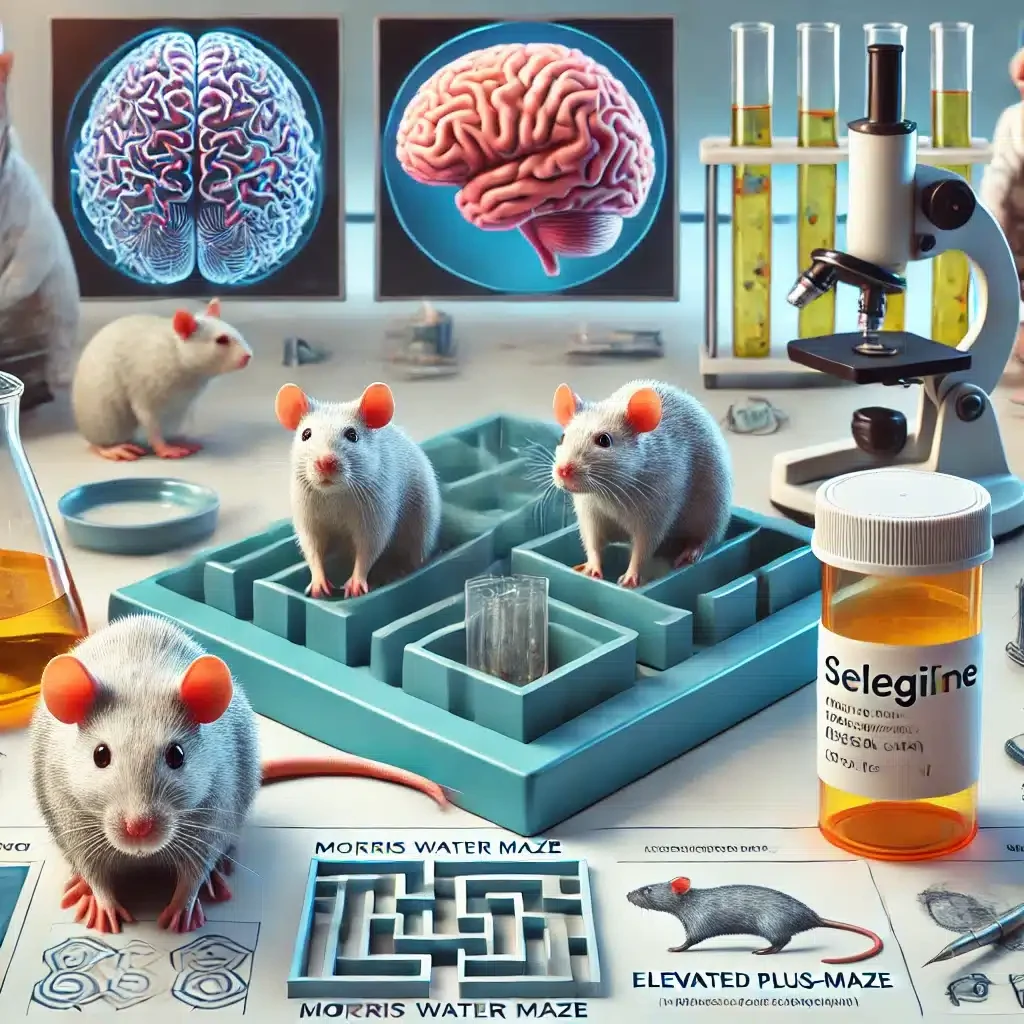
The study demonstrated that selegiline (SEL) improves memory performance, reduces anxiety, and modulates oxidative stress in an Alzheimer’s disease (AD) rat model. Highlights: Memory Improvements: SEL administration improved recognition memory, spatial memory,…
Read article ↗
A study on Tibetans living at high altitudes identified novel risk genes for schizophrenia (SCZ) related to hypoxia, suggesting a unique genetic signature for SCZ in this population. Highlights: Whole-exome sequencing of 47 SCZ cases and 53 controls in Tibetan…
Read article ↗
Drug-induced musical hallucinations occur across various medical conditions, with antidepressants, opioids, and other medications as common triggers, potentially arising from neurotransmitter imbalances; treatment often involves modifying or discontinuing the…
Read article ↗
Ketamine significantly reduces suicidal ideation in depressed patients, with rapid effects observed within the first day of treatment. Highlights: Rapid Reduction: Ketamine shows a significant reduction in suicidal ideation within the first day of treatment (R…
Read article ↗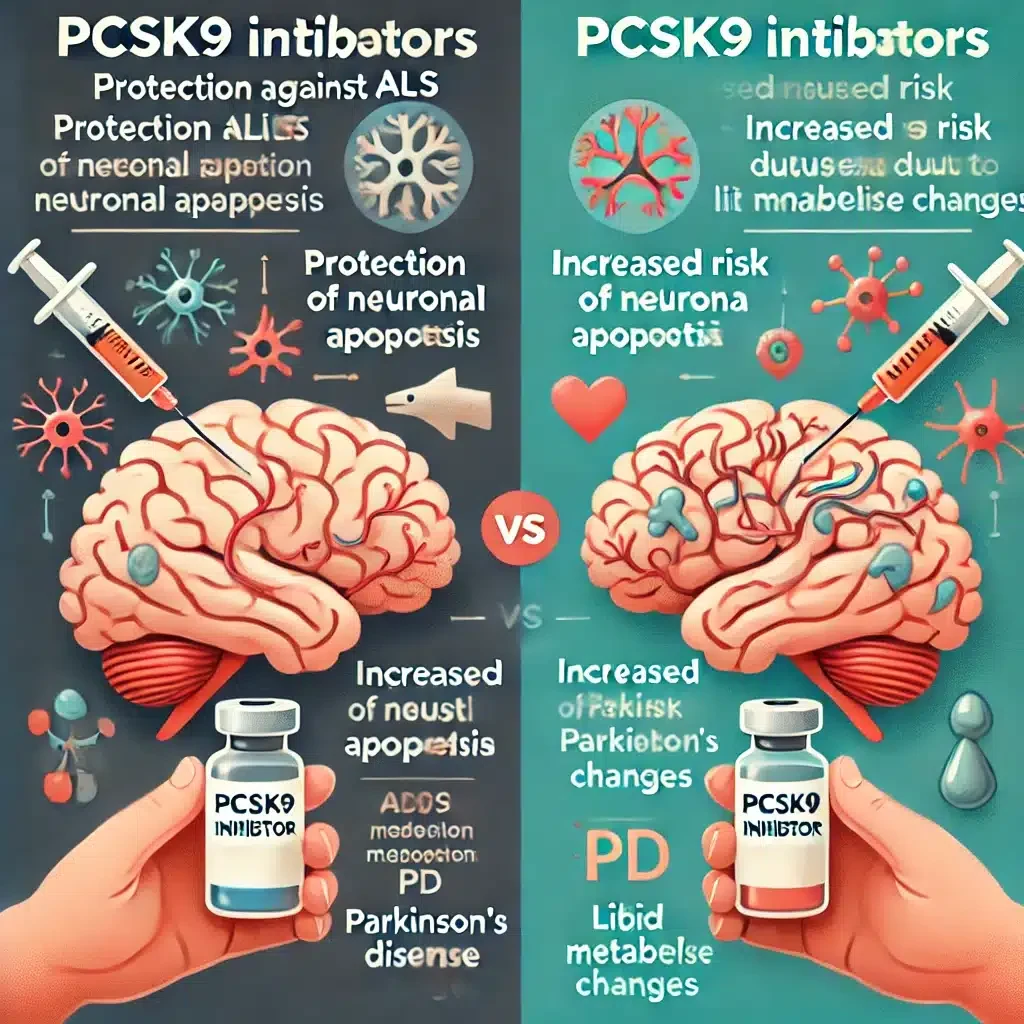
PCSK9 inhibitors significantly reduce the risk of amyotrophic lateral sclerosis (ALS) but increase the risk of Parkinson’s disease (PD). Highlights: ALS Risk Reduction: PCSK9 inhibitors marginally reduced the risk of ALS with an odds ratio of 0.89 (p = 0.048).…
Read article ↗
Repurposing general anesthetic drugs like ketamine for the treatment of major depression represents a significant medical advancement – showcasing rapid and sustained antidepressant effects. Highlights: Rapid Antidepressant Effects: Ketamine, nitrous oxide, pr…
Read article ↗
Adversity accelerates biological aging through health-compromising behaviors like smoking and possibly social disconnection, and future research needs to focus on causal methodologies to better understand these processes and develop effective interventions. Hi…
Read article ↗
Different psychiatric conditions exhibit varied sleep problems, with insomnia and fatigue being the most common issues. Highlights: Worst Sleep Profiles: Traits related to affect disorders, generalized anxiety, and ADHD show the worst sleep problems, including…
Read article ↗
Repetitive transcranial magnetic stimulation (rTMS) on the left dorsolateral prefrontal cortex (dlPFC) improves decision-making and reduces cravings in individuals with methamphetamine use disorder (MUD). Highlights: Improved Decision-Making: rTMS treatment en…
Read article ↗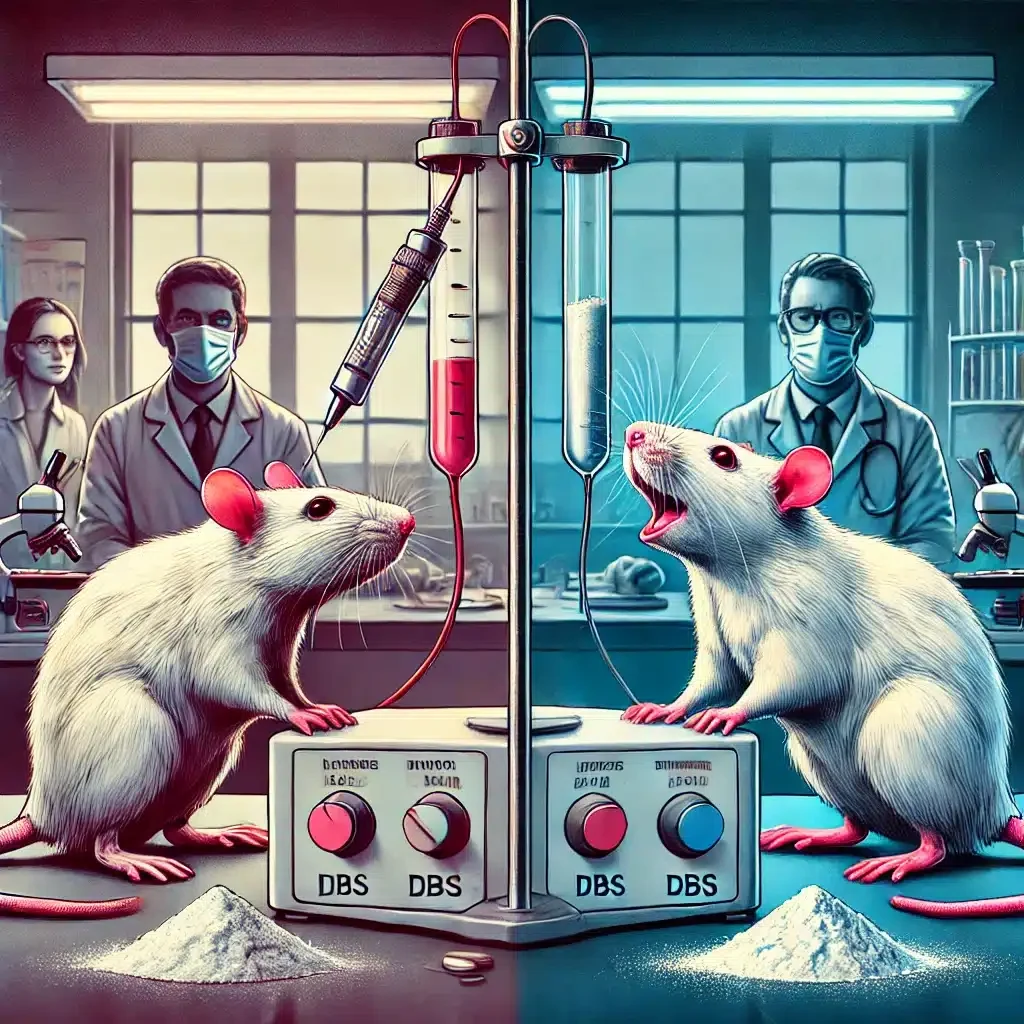
Deep brain stimulation (DBS) in the nucleus accumbens reduces cocaine seeking in male rats but is ineffective in female rats, regardless of their estrous cycle phase. Highlights: No FDA-Approved Treatments: There are currently no FDA-approved treatments for co…
Read article ↗