
Attention deficit hyperactivity disorder (ADHD) is one of the most common neurodevelopmental disorders affecting children. A new randomized controlled trial published in the Journal of Korean Medical Science suggests that mobile neurofeedback training may help…
Read article ↗
Major depressive disorder affects over 17 million American adults each year. For up to 30% of these patients, standard antidepressant medications fail to provide adequate symptom relief – a condition known as treatment-resistant depression (TRD). Now, new rese…
Read article ↗
Vagus nerve stimulation (VNS) is an emerging form of brain stimulation showing promise for treating depression. Though still considered experimental, VNS has a long history dating back over 100 years. Recent advances are unlocking its potential as a new tool f…
Read article ↗
Bipolar disorder, formerly known as manic depression, is a chronic mental illness characterized by dramatic shifts in mood and energy levels. It affects about 2-4% of the population worldwide. While we still don’t fully understand what causes bipolar disorder,…
Read article ↗
Mania is characterized by emotional dysregulation, sleep disturbances, and impaired judgment. Understanding its underlying brain circuitry could lead to improved diagnosis and treatment. Key Facts: Mania involves decreased activity in the right ventral prefron…
Read article ↗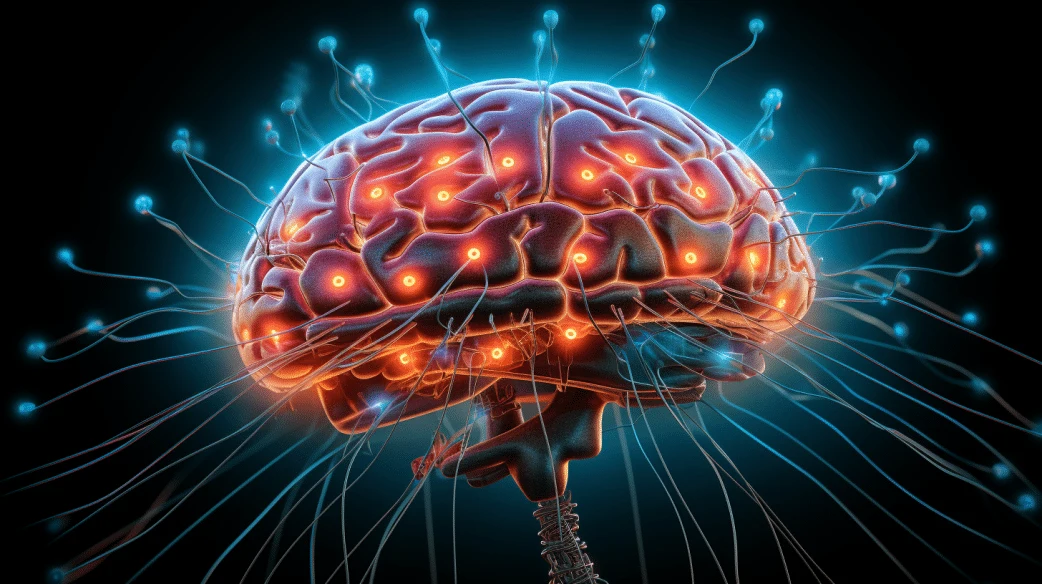
Deep brain stimulation (DBS), a surgical procedure that implants electrodes in the brain to deliver electrical stimulation, may offer hope for people with severe depression that has not responded to multiple treatments. However, larger and more rigorous studie…
Read article ↗
Deep brain stimulation (DBS) is an emerging experimental therapy that has shown promise in treating patients with severe, treatment-resistant depression (TRD). Early research indicates DBS may help patients who have failed to respond to medications, psychother…
Read article ↗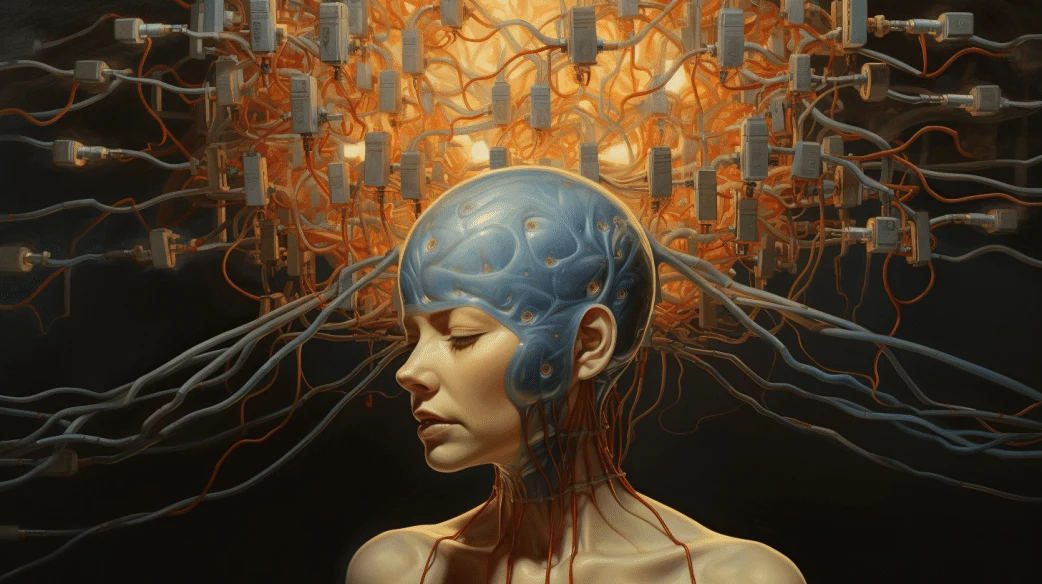
Obsessive-compulsive disorder (OCD) is a challenging psychiatric illness affecting 2% of the population. While some patients respond to therapy and medications, others continue to suffer from severe, treatment-resistant symptoms. Exciting new research shows th…
Read article ↗
Addiction involves complex interactions between the brain’s reward circuitry and stress systems. The adrenal cortex and its hormones are emerging as key players. Key Facts: The hypothalamic-pituitary-adrenal (HPA) axis regulates adrenal cortex hormone secretio…
Read article ↗
Autism spectrum disorder (ASD) is a complex neurodevelopmental condition characterized by social communication deficits and repetitive behaviors. Research increasingly points to dysregulation of the innate immune system and neuroinflammation as contributing fa…
Read article ↗