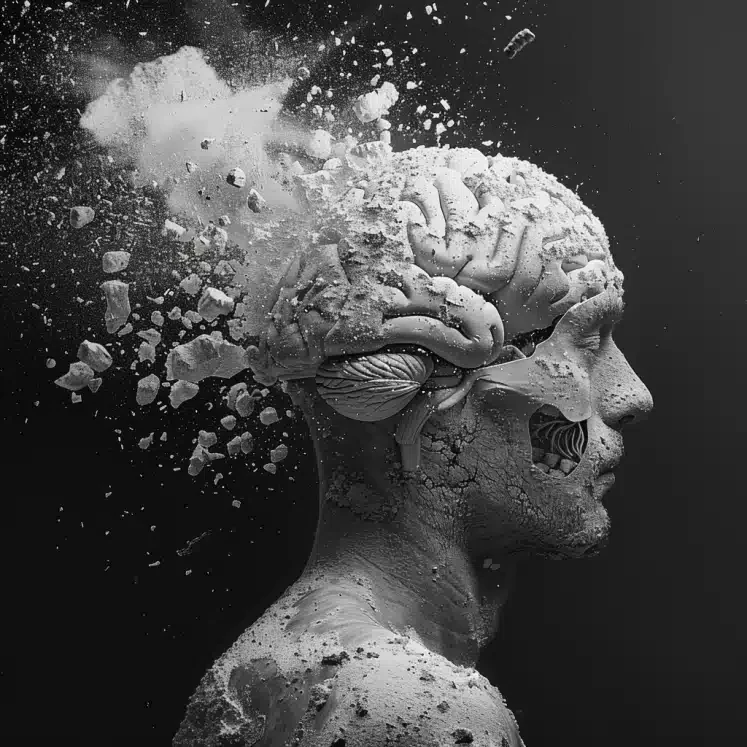
Cocaine Use Disorder (CUD) patients exhibit widespread gray matter atrophy, with specific brain volume deficits associated with crack-cocaine use and relapse outcomes. Highlights: Widespread Gray Matter Atrophy: CUD patients show significant gray matter volume…
Read article ↗
The study found that patients with social anxiety disorder (SAD) exhibit distinct structural brain alterations, including cortical thickening and thinning in specific regions, which fit into existing neurocircuitry models of the disorder. Highlights: Cortical…
Read article ↗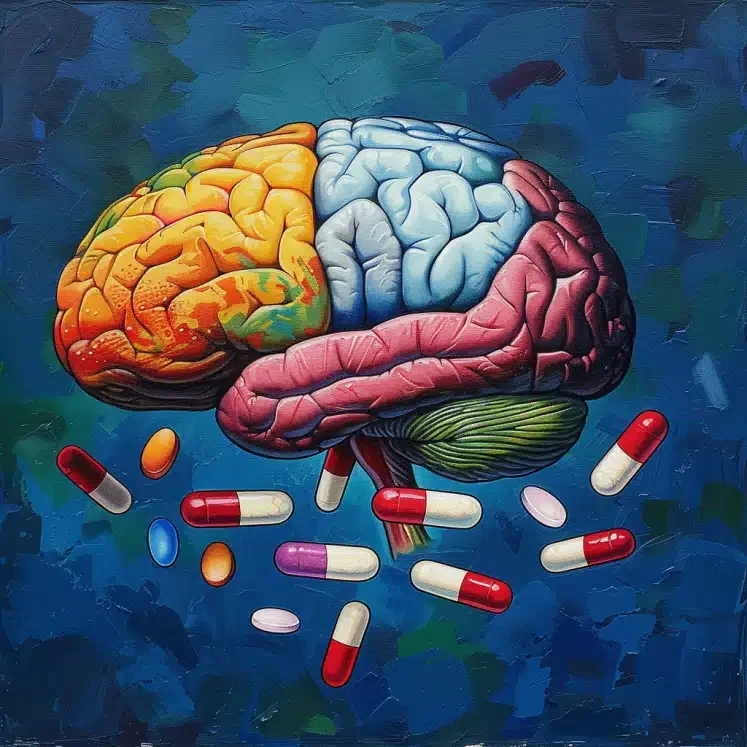
Antidepressant treatment in OCD is linked to structural and functional brain changes, particularly in corticosubcortical areas, but these findings need further validation in larger, more homogeneous samples. Highlights: Antidepressant Use: Antidepressants, esp…
Read article ↗
Fidgeting in adults with ADHD may serve as a compensatory mechanism to sustain attention during cognitively demanding tasks, particularly during correct task performance and when reaction time variability is low. Highlights: Fidgeting was significantly higher…
Read article ↗
A study found shared brain-specific mechanisms between Alzheimer’s disease (AD) and depression, particularly involving synaptic signaling and immune system pathways in the hippocampus, but no direct genetic overlap. Highlights: Six brain-specific eQTL genes (S…
Read article ↗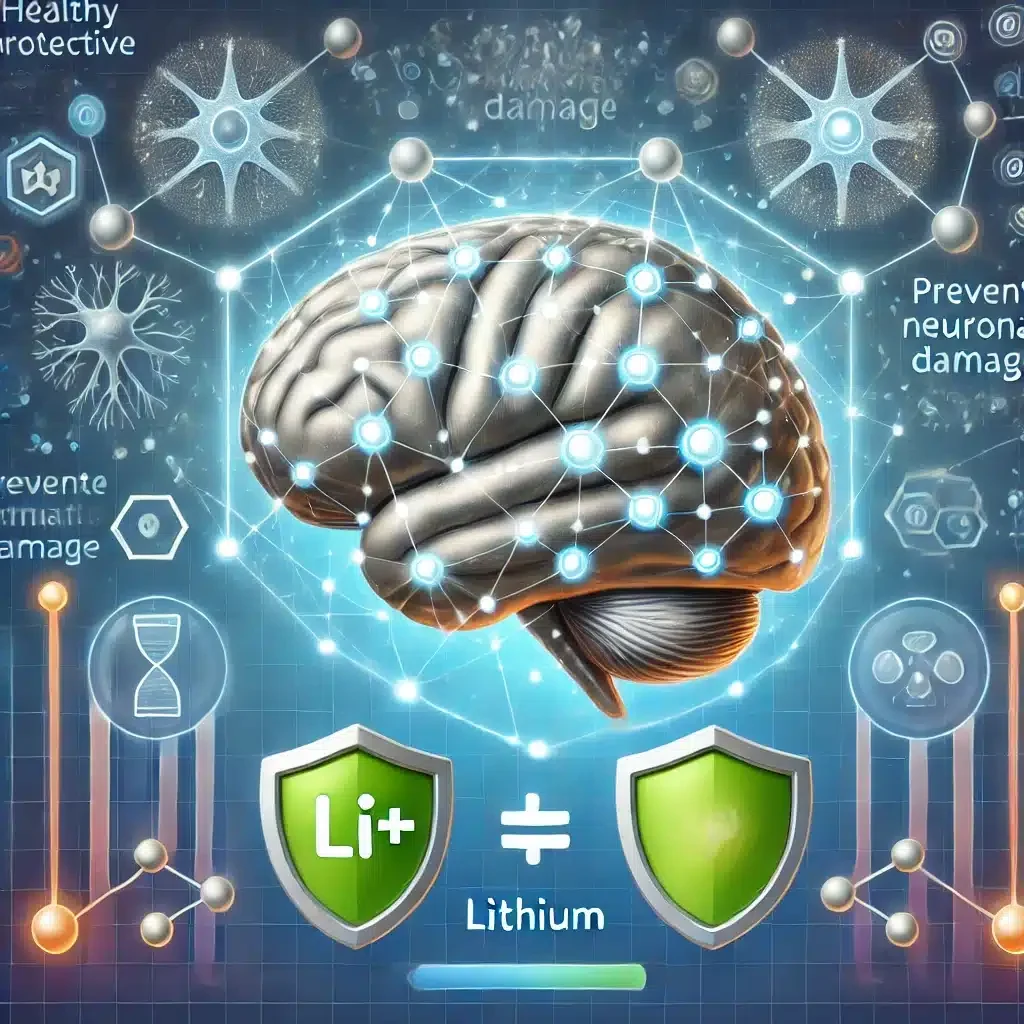
Lithium shows promise in treating traumatic brain injury (TBI) by mitigating neuroinflammation, protecting against neuronal damage, and improving cognitive functions. Highlights: Neuroprotective Mechanisms: Lithium’s therapeutic effects involve complex molecul…
Read article ↗
A study found a strong link between mitochondrial disorders and conditions like autism, ADHD, and various psychiatric issues. Highlights: Common Link: Mitochondrial disorders are frequently found in people with autism, ADHD, and intellectual disabilities. ASD…
Read article ↗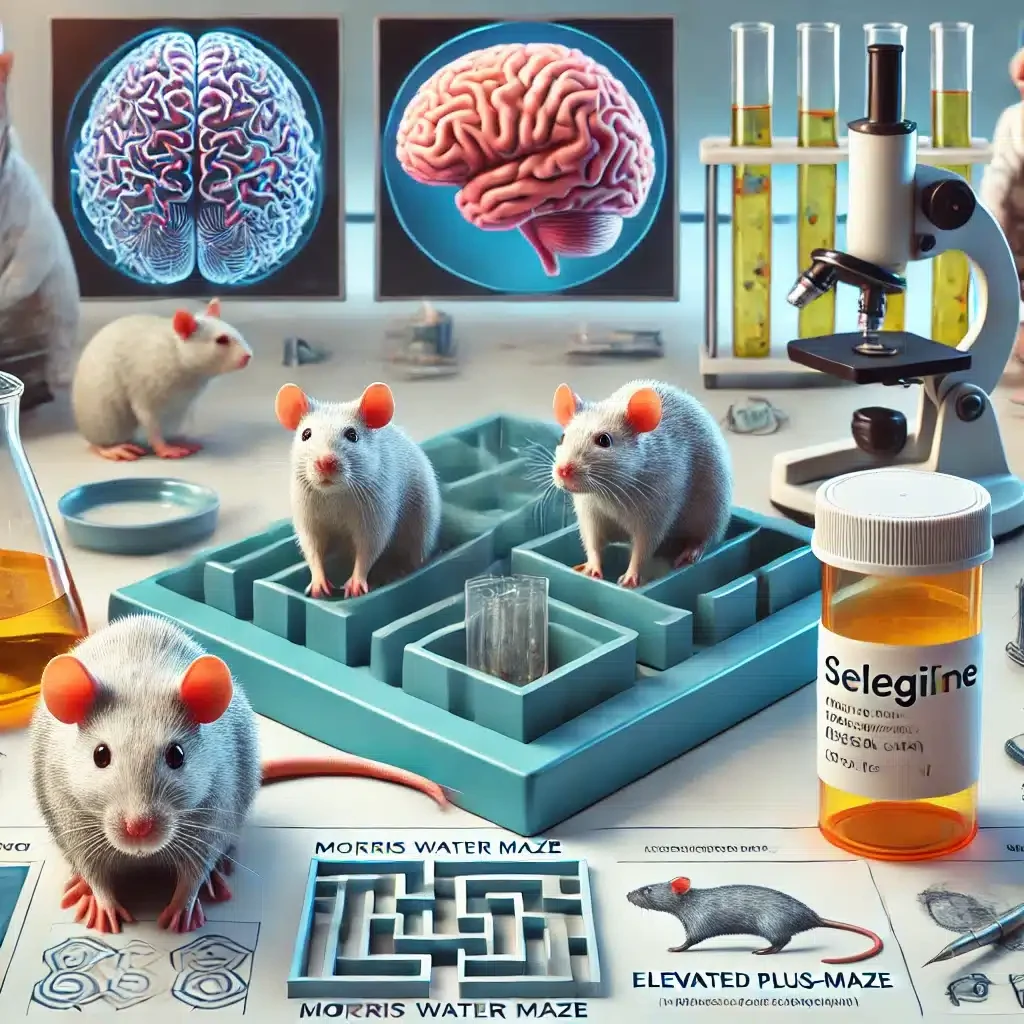
The study demonstrated that selegiline (SEL) improves memory performance, reduces anxiety, and modulates oxidative stress in an Alzheimer’s disease (AD) rat model. Highlights: Memory Improvements: SEL administration improved recognition memory, spatial memory,…
Read article ↗
A study on Tibetans living at high altitudes identified novel risk genes for schizophrenia (SCZ) related to hypoxia, suggesting a unique genetic signature for SCZ in this population. Highlights: Whole-exome sequencing of 47 SCZ cases and 53 controls in Tibetan…
Read article ↗
Repurposing antipsychotics and antidepressants with favorable safety profiles and blood-brain barrier permeability shows promise for glioblastoma (GBM) treatment, primarily through disrupting lysosomal function and inducing cell death. Highlights: Mechanism of…
Read article ↗