
Different psychiatric conditions exhibit varied sleep problems, with insomnia and fatigue being the most common issues. Highlights: Worst Sleep Profiles: Traits related to affect disorders, generalized anxiety, and ADHD show the worst sleep problems, including…
Read article ↗
Repetitive transcranial magnetic stimulation (rTMS) on the left dorsolateral prefrontal cortex (dlPFC) improves decision-making and reduces cravings in individuals with methamphetamine use disorder (MUD). Highlights: Improved Decision-Making: rTMS treatment en…
Read article ↗
Hypertension in older adults leads to poorer cognitive and walking performance due to the need for more brain resources to manage dual tasks. Highlights: Older adults with hypertension show higher brain activation in motor and sensory areas when performing dua…
Read article ↗
This study shows that type 2 diabetes causes decreased blood flow and changes in neural activity in specific parts of the hippocampus, which may initially compensate for cognitive decline but deteriorate with worsening diabetes. Highlights: Decreased Perfusion…
Read article ↗
The study found that higher levels of brain-derived neurotrophic factor (BDNF) and better cognitive function reduce suicidal thoughts in first-episode schizophrenia patients, while more severe symptoms and higher total cholesterol levels increase the risk. Hig…
Read article ↗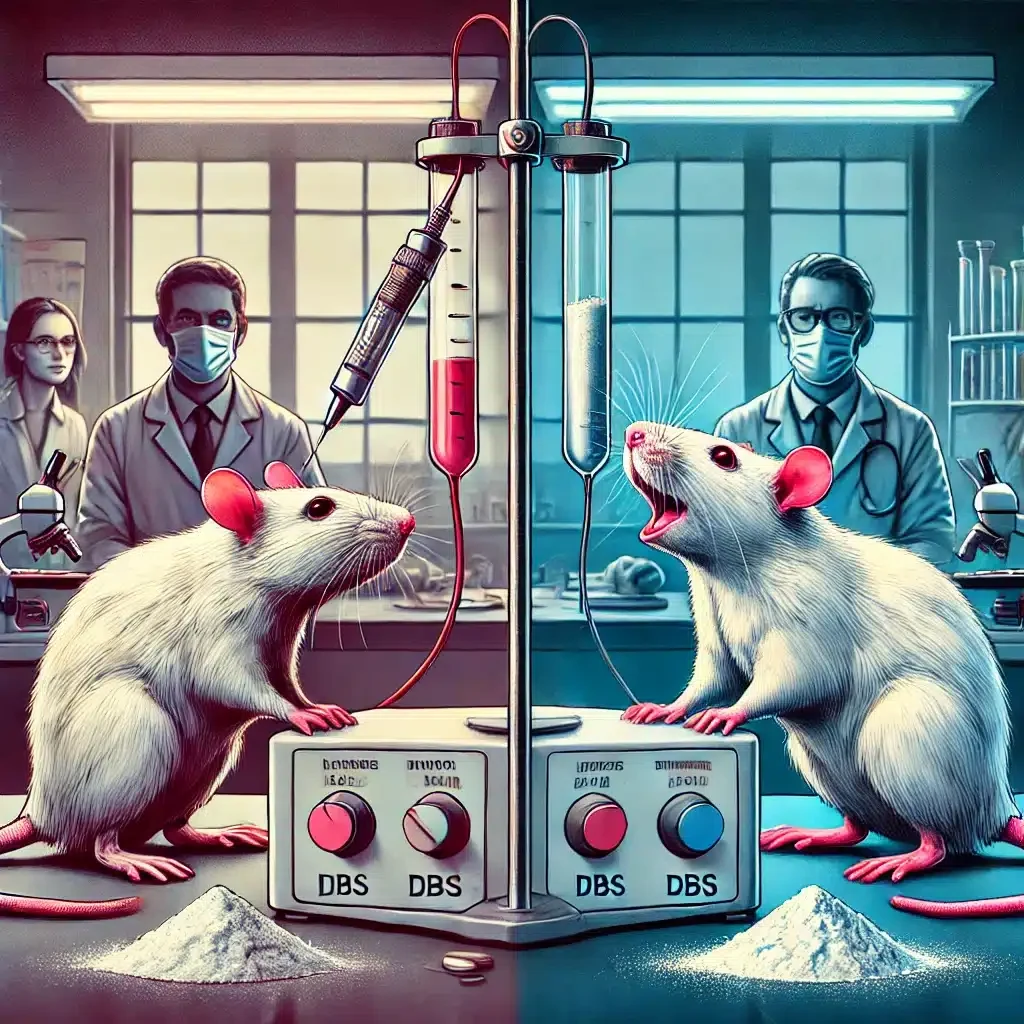
Deep brain stimulation (DBS) in the nucleus accumbens reduces cocaine seeking in male rats but is ineffective in female rats, regardless of their estrous cycle phase. Highlights: No FDA-Approved Treatments: There are currently no FDA-approved treatments for co…
Read article ↗
The ADHD polygenic score (PGS) adds slight yet statistically significant value to existing ADHD diagnostic tools, though it currently lacks clinical utility. Highlights: Study Overview: Researchers tested if adding a genetic score (ADHD PGS) to traditional dia…
Read article ↗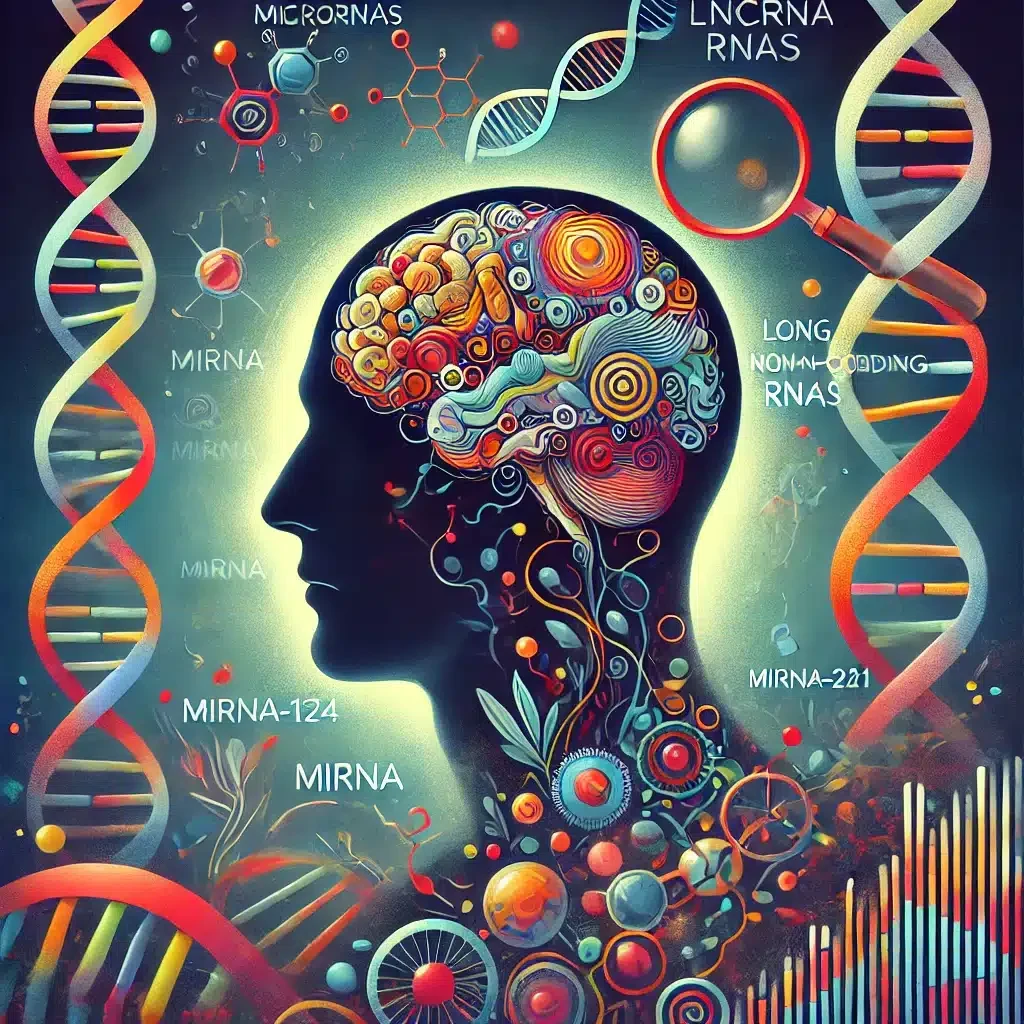
The study suggests that microRNAs (miRNAs) and long non-coding RNAs (lncRNAs) in blood and brain tissues can serve as significant biomarkers for diagnosing and monitoring major depressive disorder (MDD). Highlights: Diagnostic Potential: miRNAs and lncRNAs sho…
Read article ↗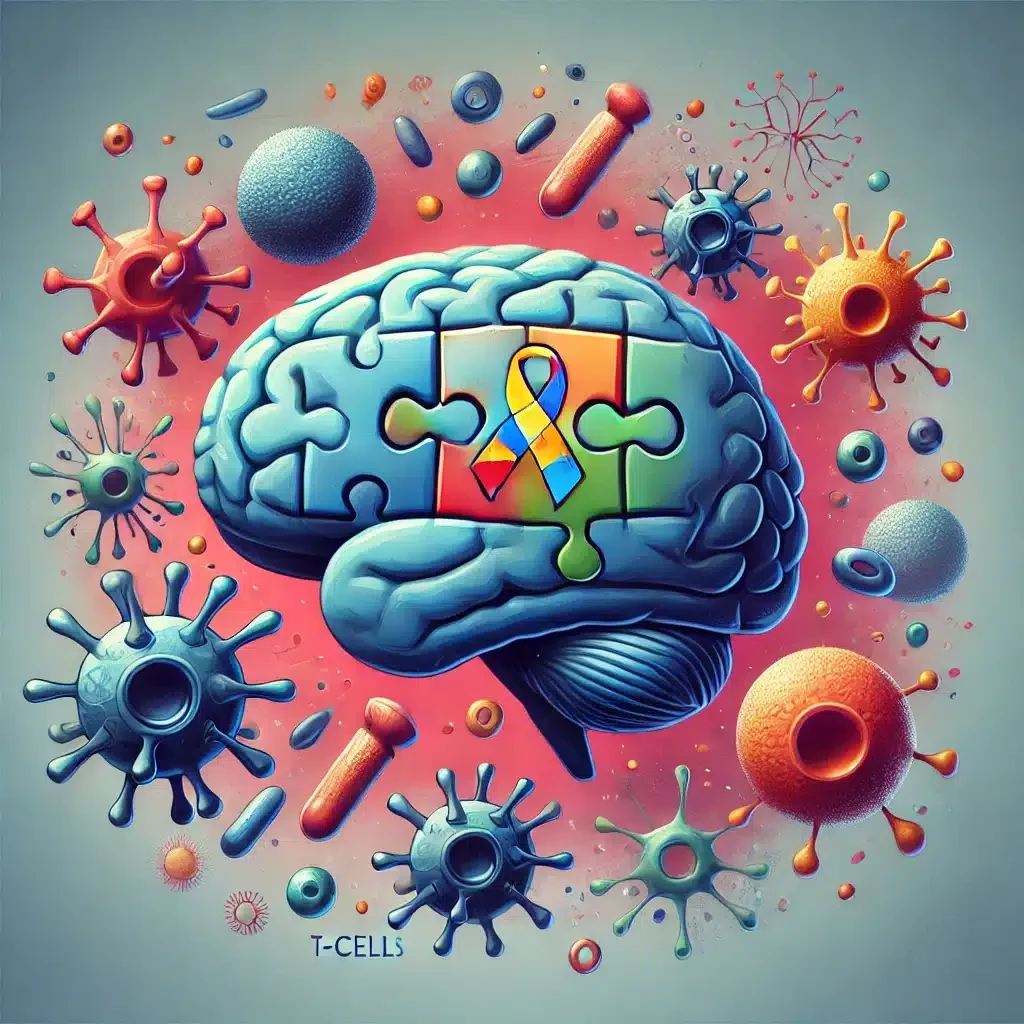
A study reported significant causal relationships between specific immune cell subtypes and autism spectrum disorder (ASD), highlighting 26 genetic correlations and potential biomarkers for early detection and treatment. Highlights: Significant Genetic Correla…
Read article ↗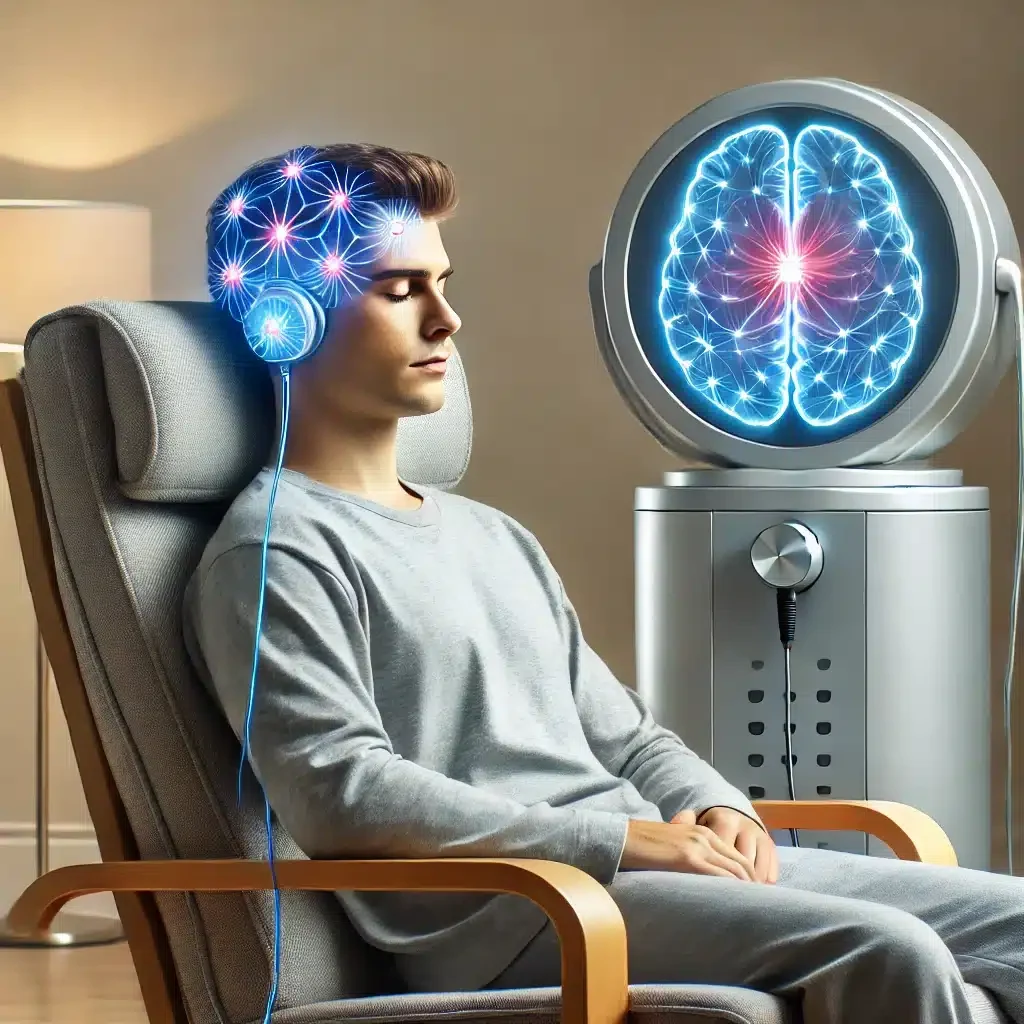
Transcranial magnetic stimulation (TMS) is underutilized in treating major depressive disorder (MDD) despite showing significant clinical benefits, with barriers including insurance coverage and limited access. Highlights: Study Scope: Analyzed real-world data…
Read article ↗