
Multitasking requires rapidly switching between tasks and goals, taxing networks in our brains that support cognitive control and attention. Research shows multitasking leads to poorer performance, known as switch costs, compared to focusing on one task at a t…
Read article ↗
Genetically modified (GM) foods have been available for decades, but many consumers still don’t fully understand what they are or their potential impacts. Research shows knowledge gaps persist regarding GM food traits, safety, regulation, and labeling. Experts…
Read article ↗
Albert Einstein’s extraordinary intelligence and genius have long intrigued scientists. Now, new analysis of photographs of Einstein’s brain reveals enhanced connections between the two hemispheres, providing clues into the neurological basis for his remarkabl…
Read article ↗
A new study published in Pharmazie takes a close look at adverse event reports related to drug-induced weight gain submitted to the FDA over the past 10 years. The retrospective analysis provides insight into the drugs most commonly associated with weight gain…
Read article ↗
A powerful, unregulated synthetic marijuana called “Tiburón” (Spanish for “shark”) has recently emerged in Honduras, posing severe risks to public health. Produced and sold by the notorious MS-13 street gang, this altered cannabis strain is designed to be even…
Read article ↗
Flakka, the latest dangerous designer drug, has rapidly spread across the United States and beyond. This synthetic cathinone has powerful stimulant effects leading to delirium, aggression, dangerous health issues, and even death. What is Flakka and Why Is It S…
Read article ↗
Bigorexia nervosa, also known as muscle dysmorphia or reverse anorexia, is an emerging psychiatric disorder characterized by an obsessive focus on becoming more muscular. Individuals with bigorexia have a distorted self-image and see themselves as small and we…
Read article ↗
The presence of pharmaceuticals in the environment has become a growing concern, with increasing evidence that these compounds can impact wildlife at low, environmentally relevant levels. One drug in particular – the popular antidepressant fluoxetine (Prozac)…
Read article ↗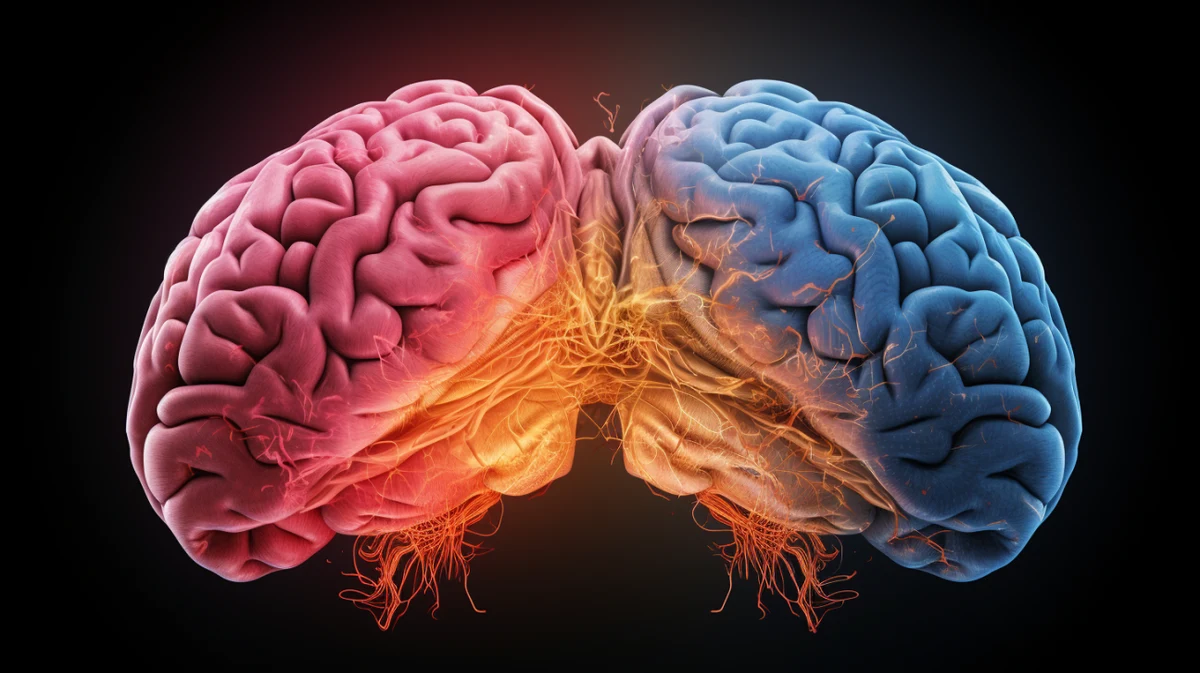
The corpus callosum is the thick band of nerve fibers that connects the left and right hemispheres of the brain, acting like a superhighway to allow communication between the two sides. Given its role in integrating information, researchers have long speculate…
Read article ↗
Phrenology, the pseudoscience of linking personality traits to head shape, has captivated minds for over 200 years despite lacking empirical evidence. A recent study took a novel approach to finally settling the debate – utilizing modern neuroimaging and big d…
Read article ↗