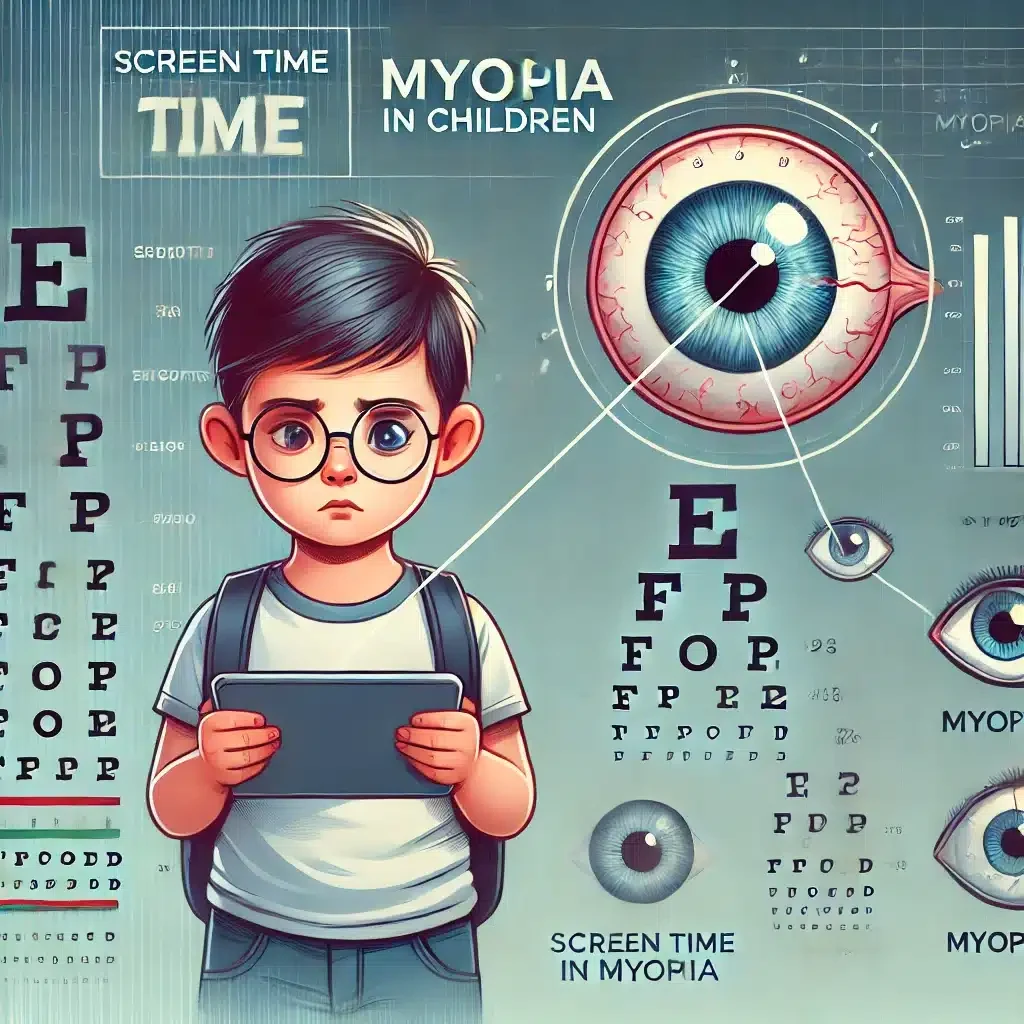
TLDR: High screen time exposure is significantly associated with an increased risk of myopia in children and adolescents, with computer use showing the strongest correlation, followed by television, while smartphone use shows no significant association. Highli…
Read article ↗
TLDR: Occasional drinking may help reduce the risk of major depression, but frequent drinking worsens it. Highlights: Occasional alcohol consumption is linked to a lower risk of major depression. Frequent alcohol intake increases the risk of major depression.…
Read article ↗
TLDR: Omega-3 supplementation shows potential for reducing anxiety symptoms, with the most significant improvement at a dose of 2 grams per day. Highlights: Dose-Dependent Effect: Each 1 gram per day of omega-3 supplementation led to a moderate decrease in anx…
Read article ↗
TLDR: This case study reports the highest recorded nonfatal clozapine overdose (10,000 mg) in an elderly patient, causing significant fluctuations in blood concentration levels following treatment. Highlights: A 71-year-old female ingested 10,000 mg of clozapi…
Read article ↗
TLDR: Quercetin-based alginate nanogels loaded with brain-derived neurotrophic factor (BDNF) can effectively cross the blood-brain barrier via intranasal delivery, providing a promising treatment for depressive disorders. Highlights: Nanogels: Quercetin nanoge…
Read article ↗
TLDR: A study in the UK found that severe COVID anxiety tends to decrease over 6 months from onset, both organically and with the help of CBT for Health Anxiety (CBT-HA), though many individuals still experience significant anxiety and poor social functioning,…
Read article ↗
TLDR: Esketamine nasal spray, combined with standard antidepressant therapy, significantly improves remission rates and reduces time to remission in adults with major depressive disorder (MDD) and acute suicidality compared to standard care alone. Highlights:…
Read article ↗
TLDR: A case study reveals a 70-year-old woman developed erotomanic delusions and attempted suicide following online romance fraud. Highlights: 70-year-old woman with persistent depressive disorder. Victim of online romance fraud involving a renowned musician’…
Read article ↗
TLDR: A study found that veterinarians frequently euthanizing animals have higher rates of serious suicidal thoughts and are more likely to support euthanasia for humans. Working with companion animals is associated with positive attitudes towards human euthan…
Read article ↗
TLDR: A recent study explored the potential causal relationship between atopic dermatitis (AD) a.k.a. eczema and various psychiatric disorders – finding bidirectional links. Highlights: Data from over 860,000 individuals were analyzed Atopic dermatitis (eczema…
Read article ↗