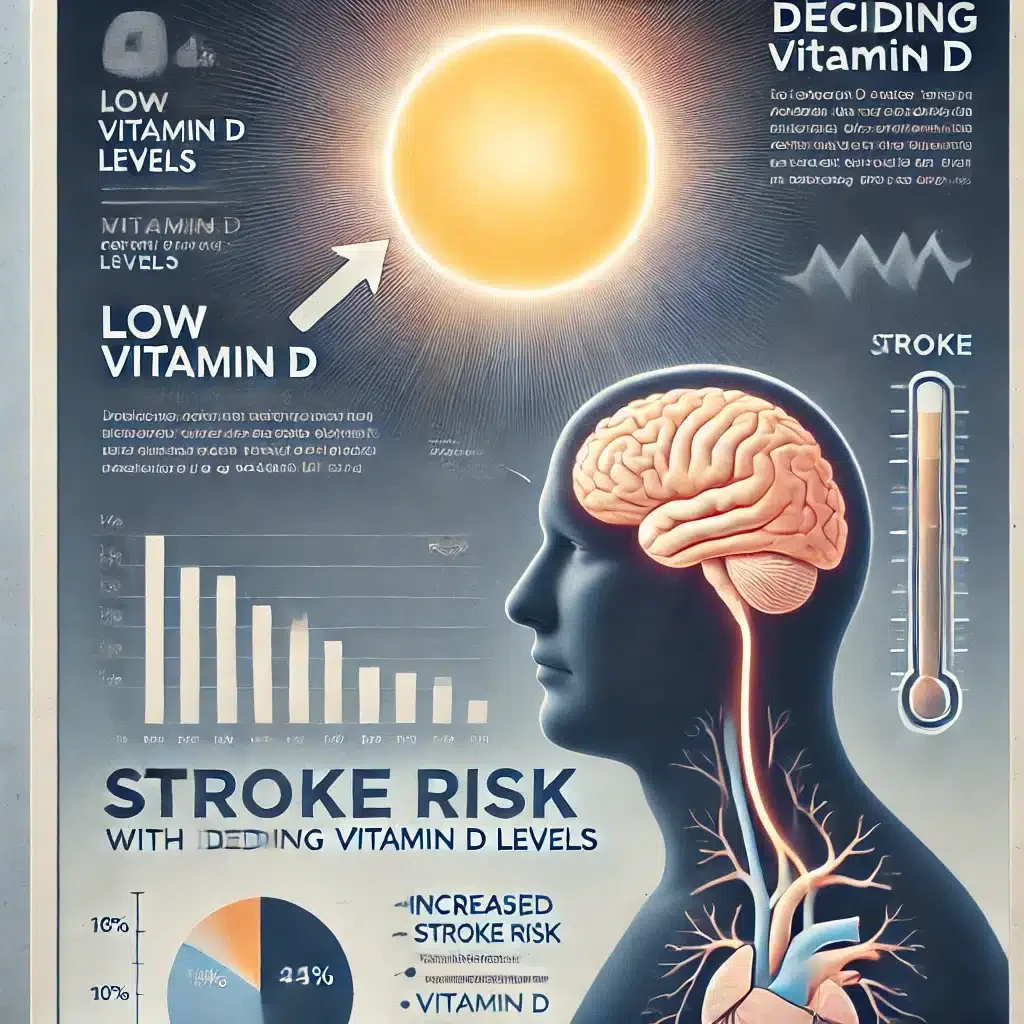
TLDR: Lower serum vitamin D levels are associated with an increased risk of stroke, particularly ischemic stroke, and are linked to poorer stroke outcomes. Highlights: The meta-analysis included 27 studies with 45,302 participants, finding a combined relative…
Read article ↗
TLDR: A study found a bidirectional causal relationship between depression and osteoarthritis (OA) but only a one-way relationship where depression increases the risk of knee osteoarthritis (KOA). Highlights: Bidirectional Causality: There is a bidirectional c…
Read article ↗
TLDR: Objective olfactory dysfunction 1-3 months after COVID-19 predicts post-COVID condition (PCC) and reduced quality of life after one year, while subjective symptoms do not. Highlights: Individuals with objectively measured olfactory dysfunction shortly af…
Read article ↗
TLDR: Herpes zoster vaccination is linked to a lower risk of dementia, but more studies are needed to confirm this association. Highlights: Five high-quality studies involving 103,615 vaccinated patients were analyzed. Herpes zoster vaccination was associated…
Read article ↗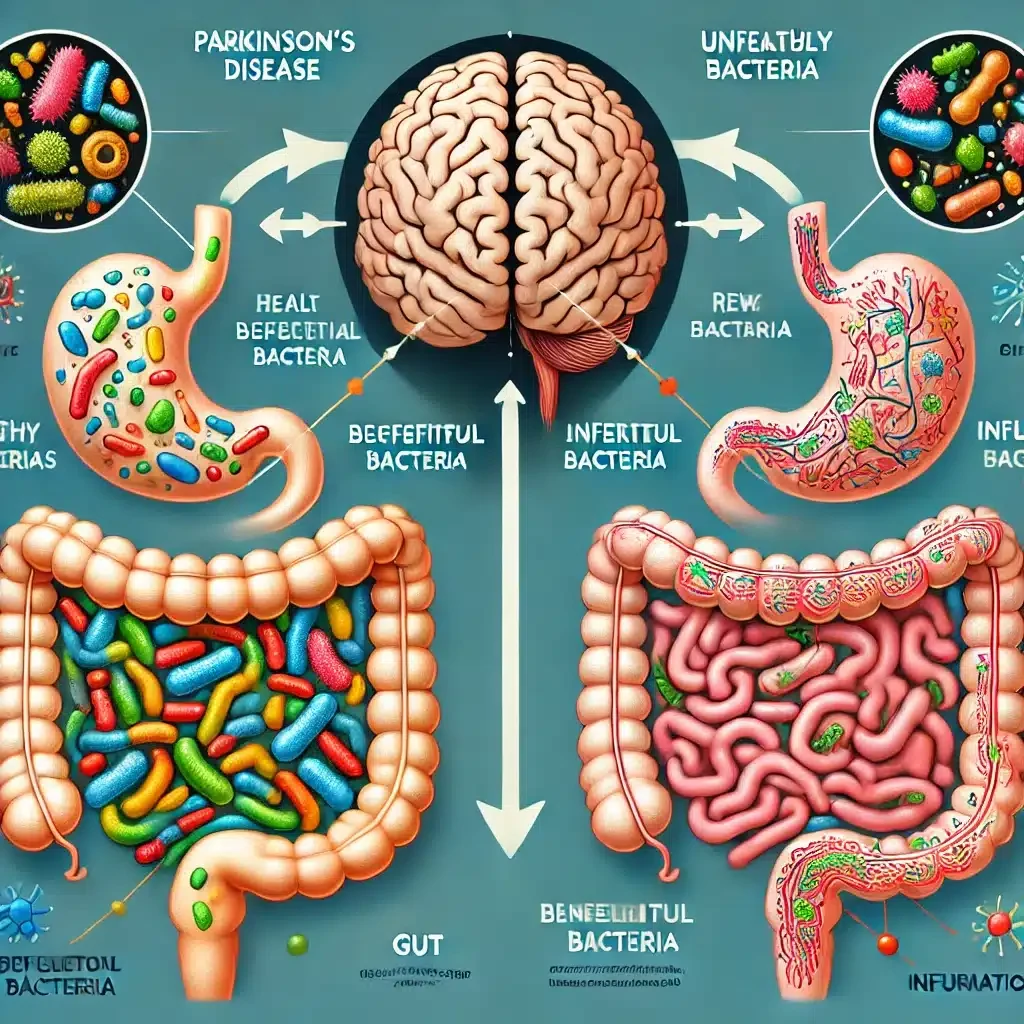
TLDR: A study identified specific gut microbial features in Parkinson’s disease (PD) across different countries, highlighting increased α-diversity, altered bacterial species, and decreased metabolites in PD patients. Highlights: Increased α-Diversity: The stu…
Read article ↗
TLDR: LSD does not provide psychological resilience during stressful experiences such as job loss – and may increase psychological distress. Highlights: The study analyzed data from 5,067,553 unemployed individuals seeking jobs. LSD users who had used the drug…
Read article ↗
TLDR: GLP-1 agonists were found to significantly reduce the risk of dementia in older individuals with type 2 diabetes mellitus (T2DM) compared to DPP-4 inhibitors and sulfonylureas. Highlights: A sequential trial emulation was conducted using data from Swedis…
Read article ↗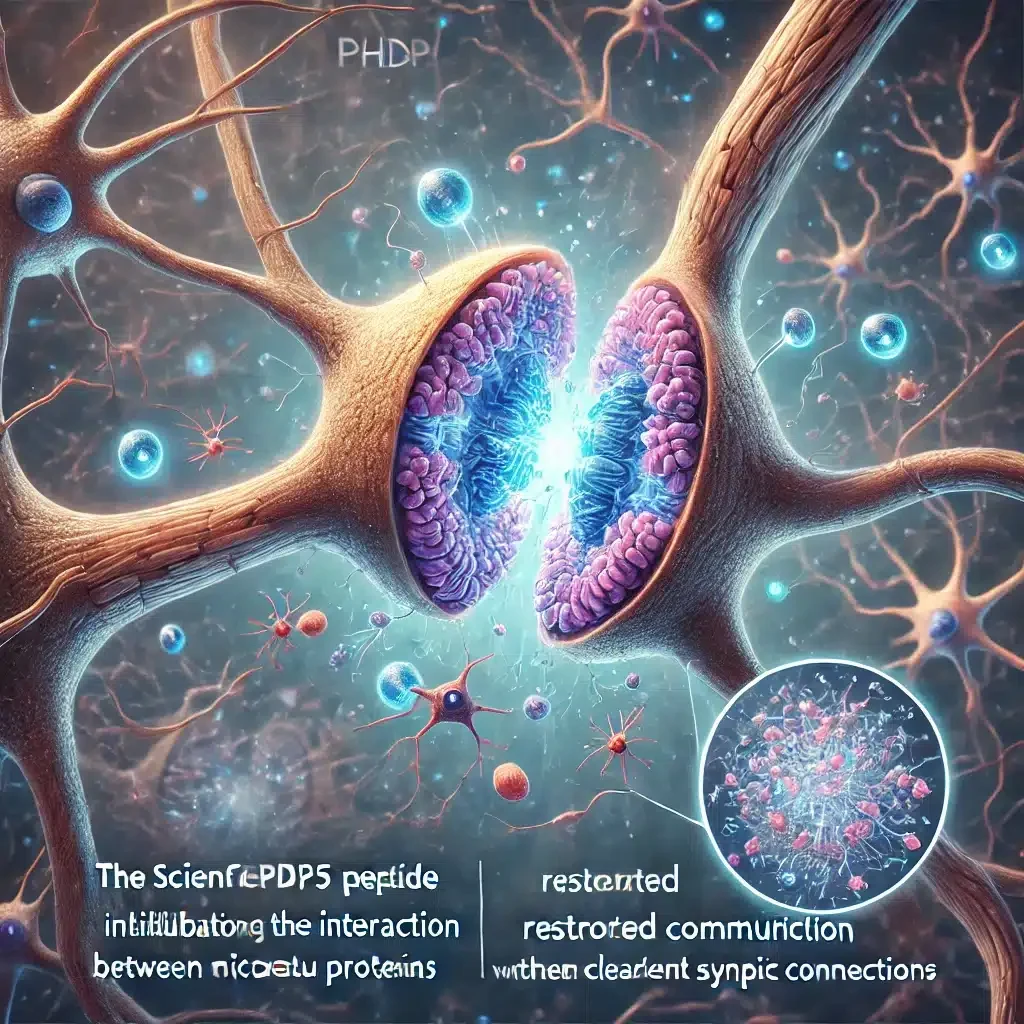
TLDR: Researchers demonstrated that intranasal administration of the peptide FITC-PHDP5-CPP reverses early cognitive impairment in Alzheimer’s disease (AD) model mice, showing potential as a treatment for AD-associated cognitive decline. Highlights: PHDP5, der…
Read article ↗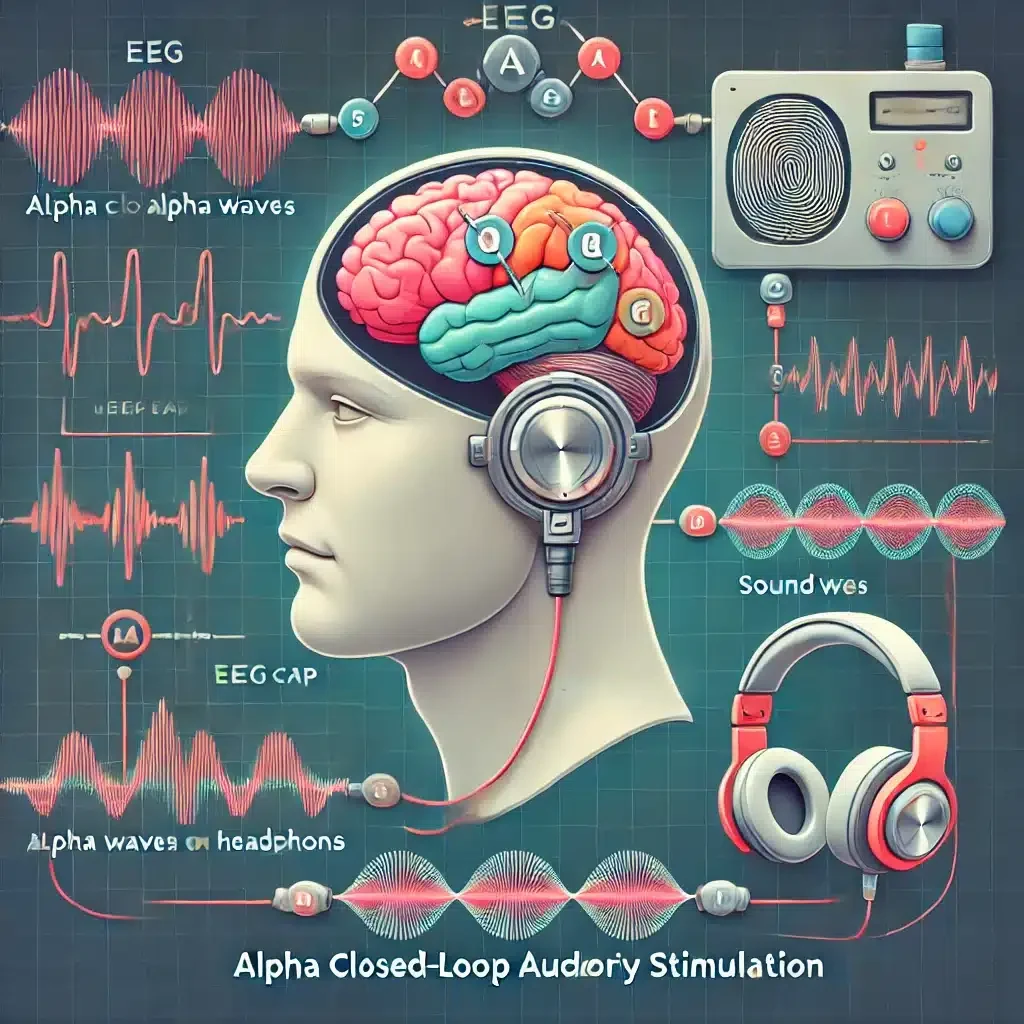
TLDR: A new method using sound to influence brain waves can help manage brain activity and affect how we fall asleep. Highlights: How It Works: This method, called Alpha Closed-Loop Auditory Stimulation (αCLAS), uses sound pulses timed precisely to brain waves…
Read article ↗
TLDR: This study provides evidence that high salt intake is causally associated with an increased risk of developing dementia, including Alzheimer’s disease (AD) and undefined dementia. Highlights: Causal Association: High salt intake is significantly associat…
Read article ↗