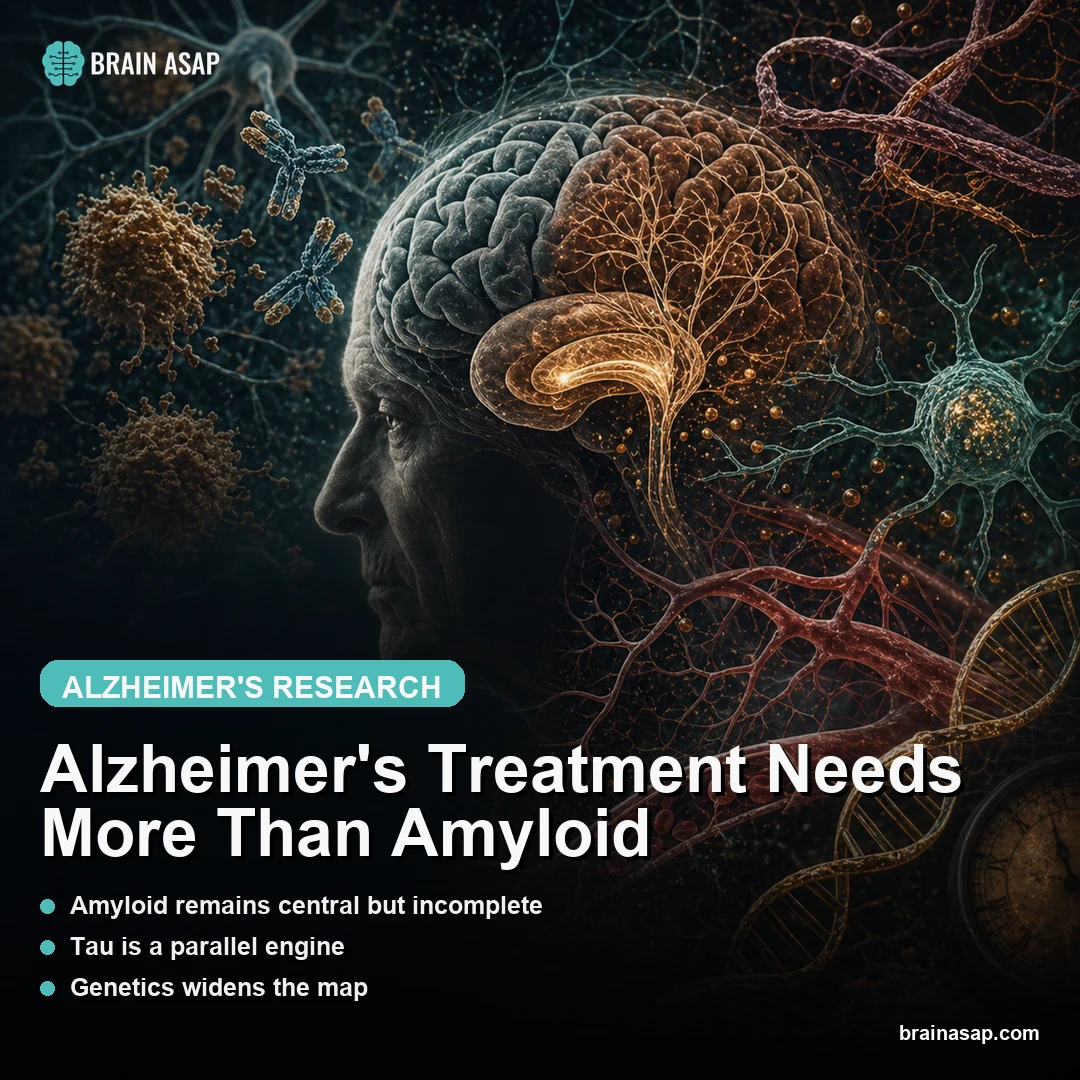
Alzheimer’s Treatment Needs More Than Amyloid TL;DR: A 2026 review in Science China Life Sciences argues that amyloid-beta antibodies such as lecanemab and donanemab are important progress, but Alzheimer’s treatment cannot stop at amyloid. The disease also inv…
Read article ↗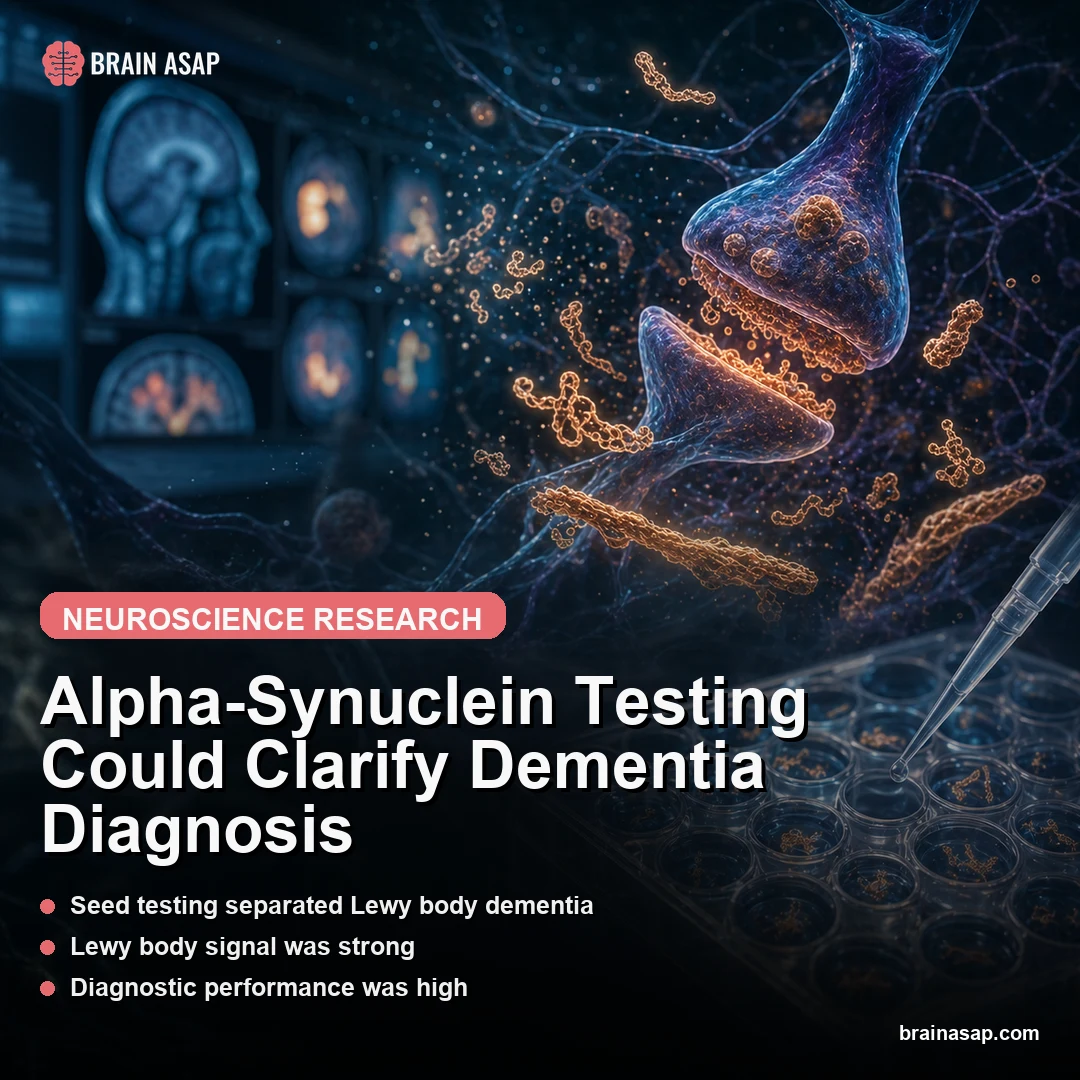
Alpha-Synuclein Testing Could Clarify Dementia Diagnosis TL;DR: In 398 memory-clinic patients, alpha-synuclein seed testing identified Lewy body dementia with 95% sensitivity and revealed hidden synuclein positivity in 15.8% of Alzheimer’s disease cases. Key F…
Read article ↗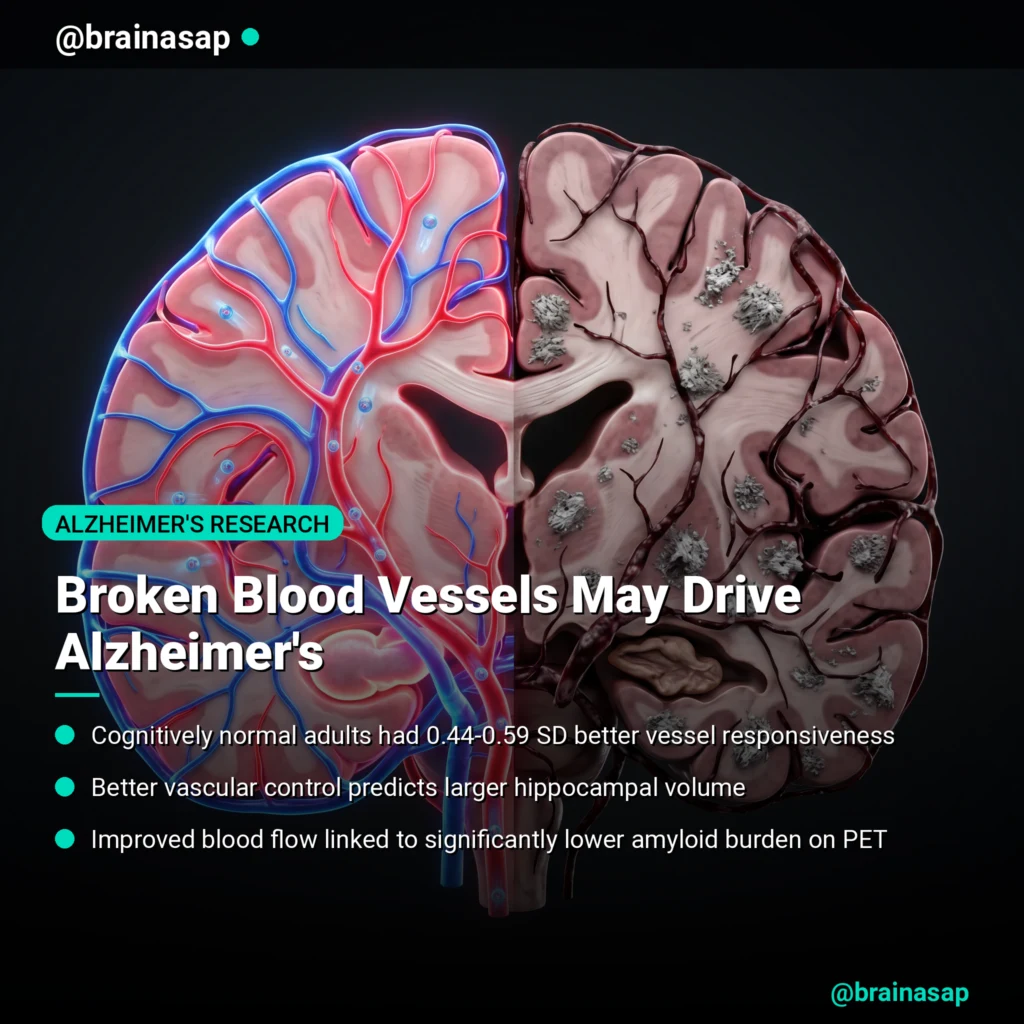
Broken Blood Vessels May Drive Alzheimer’s Decline TL;DR: A new study reveals that impaired cerebrovascular function—the brain’s ability to regulate blood flow—correlates strongly with Alzheimer’s symptoms, offering a potential non-invasive way to detect early…
Read article ↗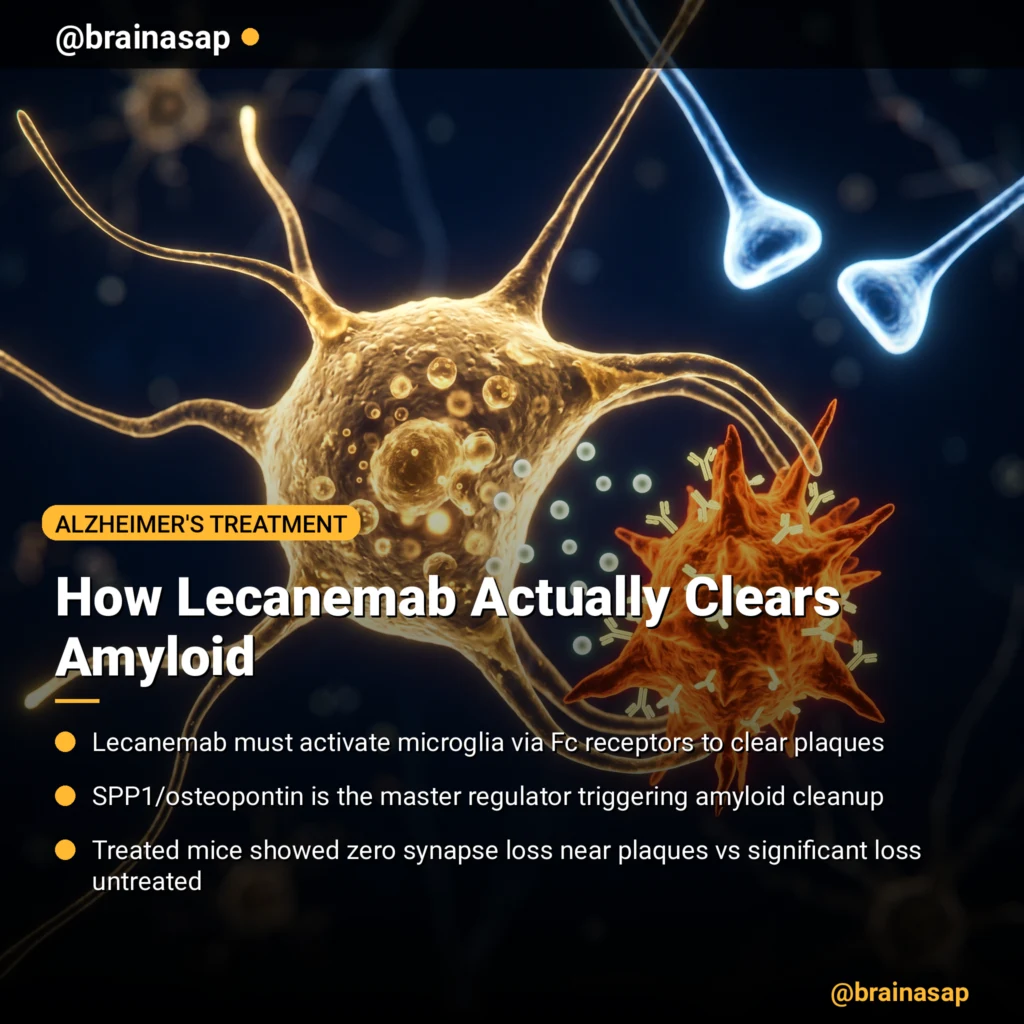
How Lecanemab Clears Brain Amyloid: The Microglia Key TL;DR: Lecanemab, the first Alzheimer’s antibody to slow cognitive decline, works by activating immune cells called microglia through a specific immune signaling pathway, with the molecule SPP1/osteopontin…
Read article ↗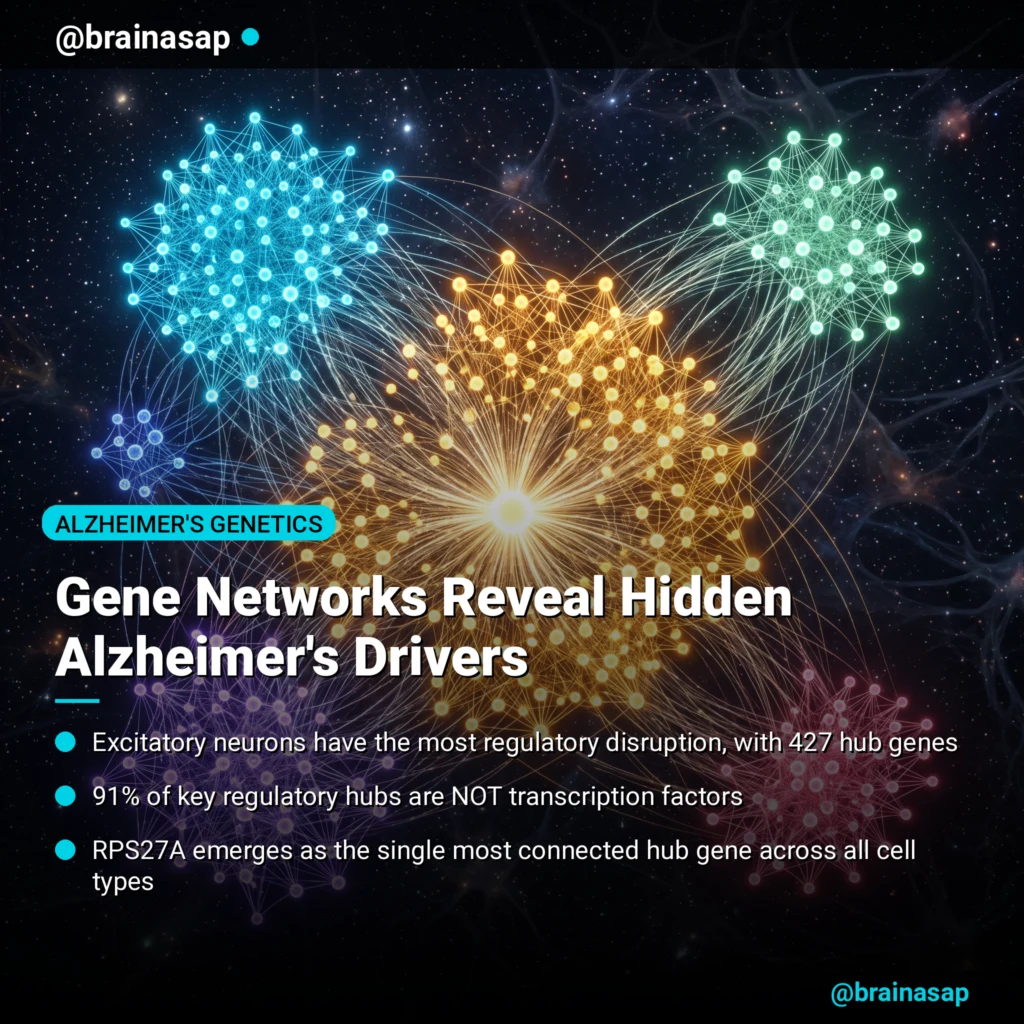
Cell-Type Gene Networks Reveal Hidden Causes of Alzheimer’s TL;DR: Researchers mapped how genes are regulated differently across six brain cell types in Alzheimer’s disease, discovering that excitatory neurons drive the most extensive regulatory disruptions—an…
Read article ↗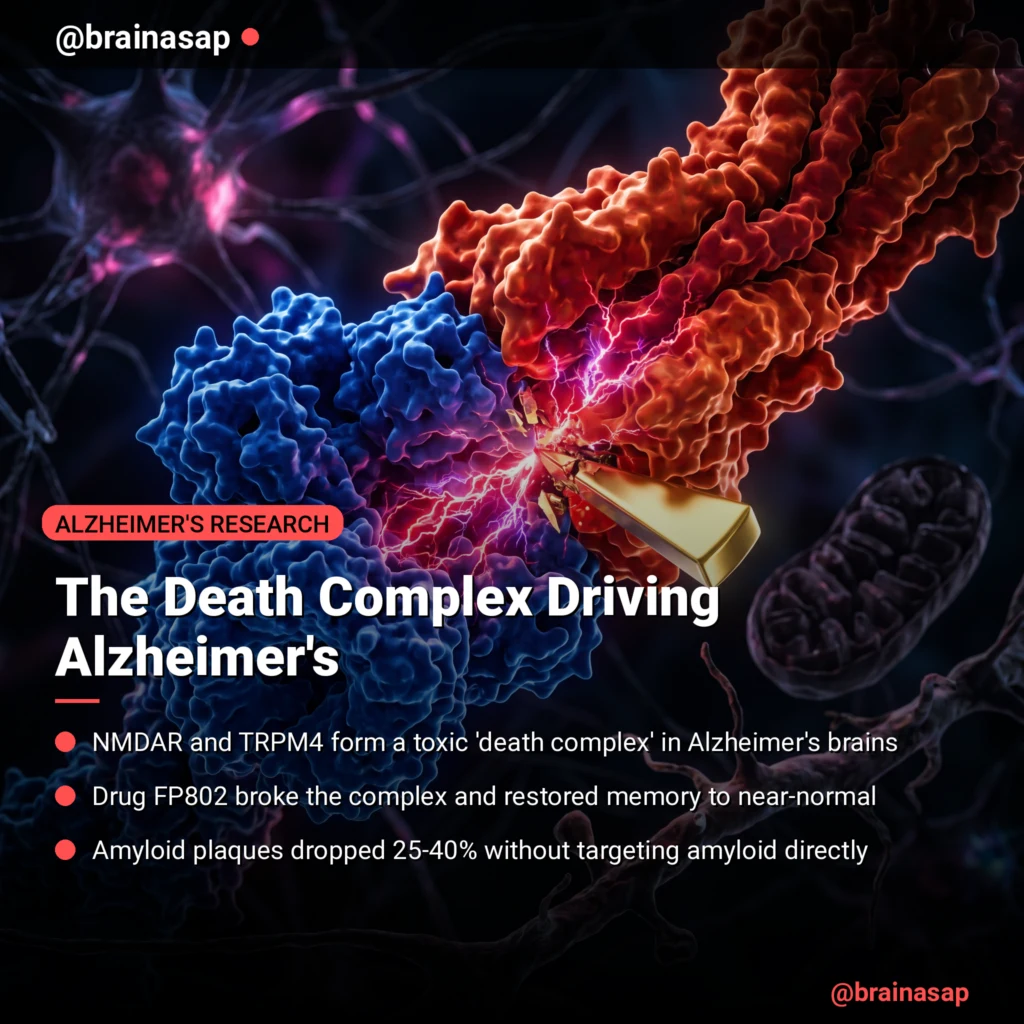
The Death Complex Fueling Alzheimer’s (And How to Stop It) TL;DR: Researchers discovered a toxic interaction between two brain proteins—NMDAR and TRPM4—that drives neurodegeneration in Alzheimer’s disease, and a small molecule called FP802 that blocks this “de…
Read article ↗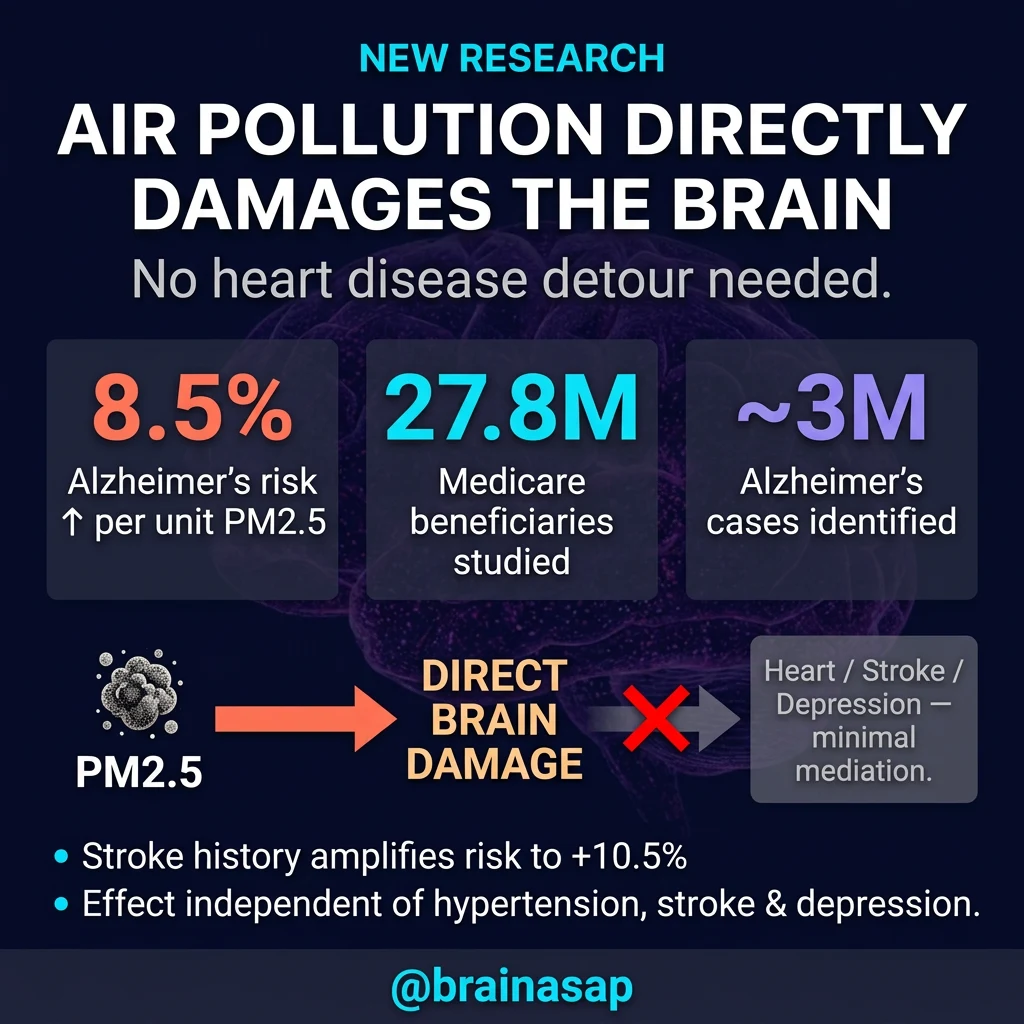
Dirty Air, Fragile Brain: PM2.5’s Direct Link to Alzheimer’s TL;DR: A massive study of 27.8 million Medicare beneficiaries found that exposure to fine air pollution (PM2.5) increases Alzheimer’s risk by 8.5% per unit increase—and this effect operates largely t…
Read article ↗
Blood Test Detects Alzheimer’s with 83% Accuracy TL;DR: A new blood test using three misfolded plasma proteins can identify Alzheimer’s disease with 83.44% accuracy, outperforming conventional biomarkers and offering a non-invasive screening tool years before…
Read article ↗
Omega-3 supplements and Souvenaid® show potential in slowing cognitive decline in Alzheimer’s patients, though the evidence remains inconclusive. Highlights: Cognitive Decline Reduction: The CDR scale showed a significant reduction in cognitive decline progres…
Read article ↗
ACOT7 shows promise as a non-invasive serum biomarker for Alzheimer’s disease (AD) with high diagnostic accuracy. Highlights: Increased Expression: ACOT7 levels were significantly elevated in AD patients and animal models compared to controls. Correlation with…
Read article ↗