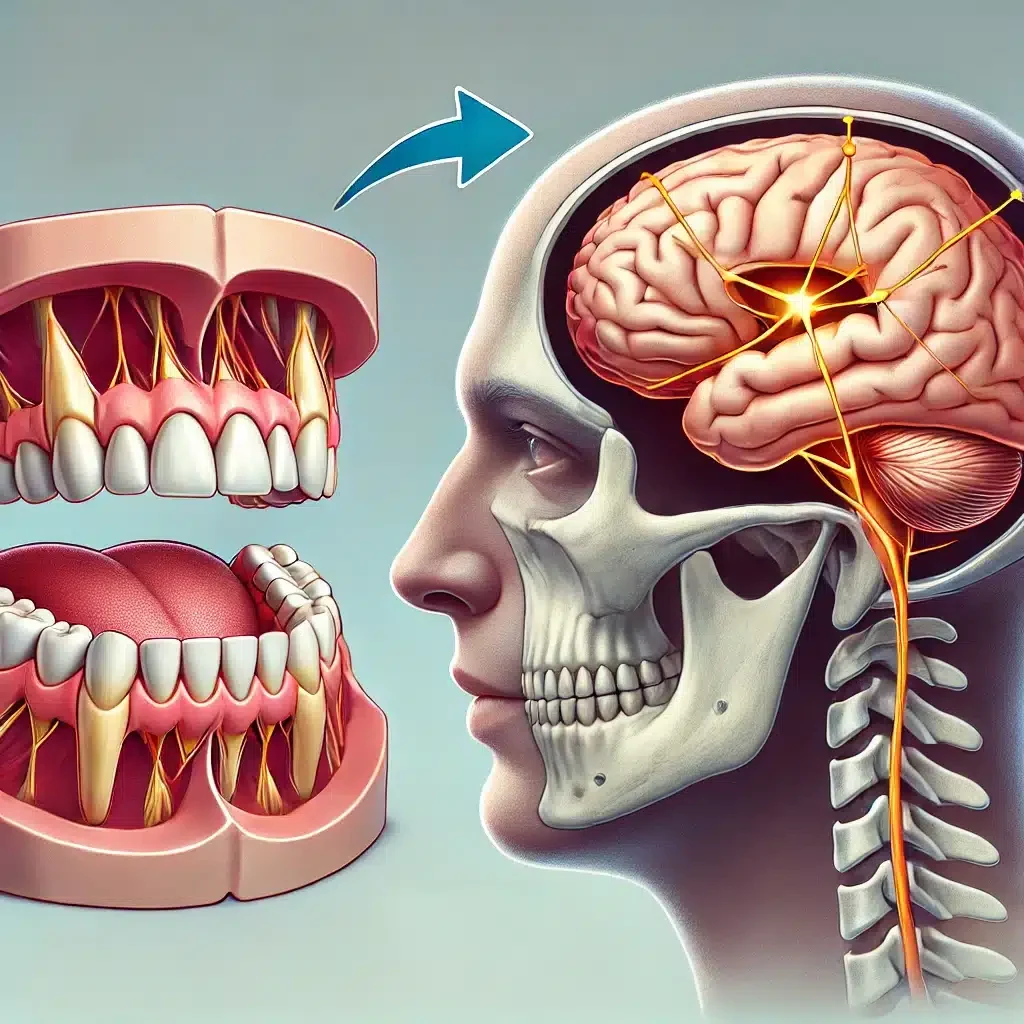
Occlusion dysfunction (OD) is causally linked to an increased risk of Alzheimer’s disease (AD), while dentures restoration can mitigate this risk. Highlights: Periodontal disease (PD) and Alzheimer’s do not have a direct causal relationship (P = 0.395). Loose…
Read article ↗
Necrostatin-1, an inhibitor of necroptosis, exhibits significant neuroprotective effects and potential therapeutic applications in various neurological disorders by modulating cell death pathways, inflammation, and reactive oxygen species. Highlights: Mechanis…
Read article ↗
A study found shared brain-specific mechanisms between Alzheimer’s disease (AD) and depression, particularly involving synaptic signaling and immune system pathways in the hippocampus, but no direct genetic overlap. Highlights: Six brain-specific eQTL genes (S…
Read article ↗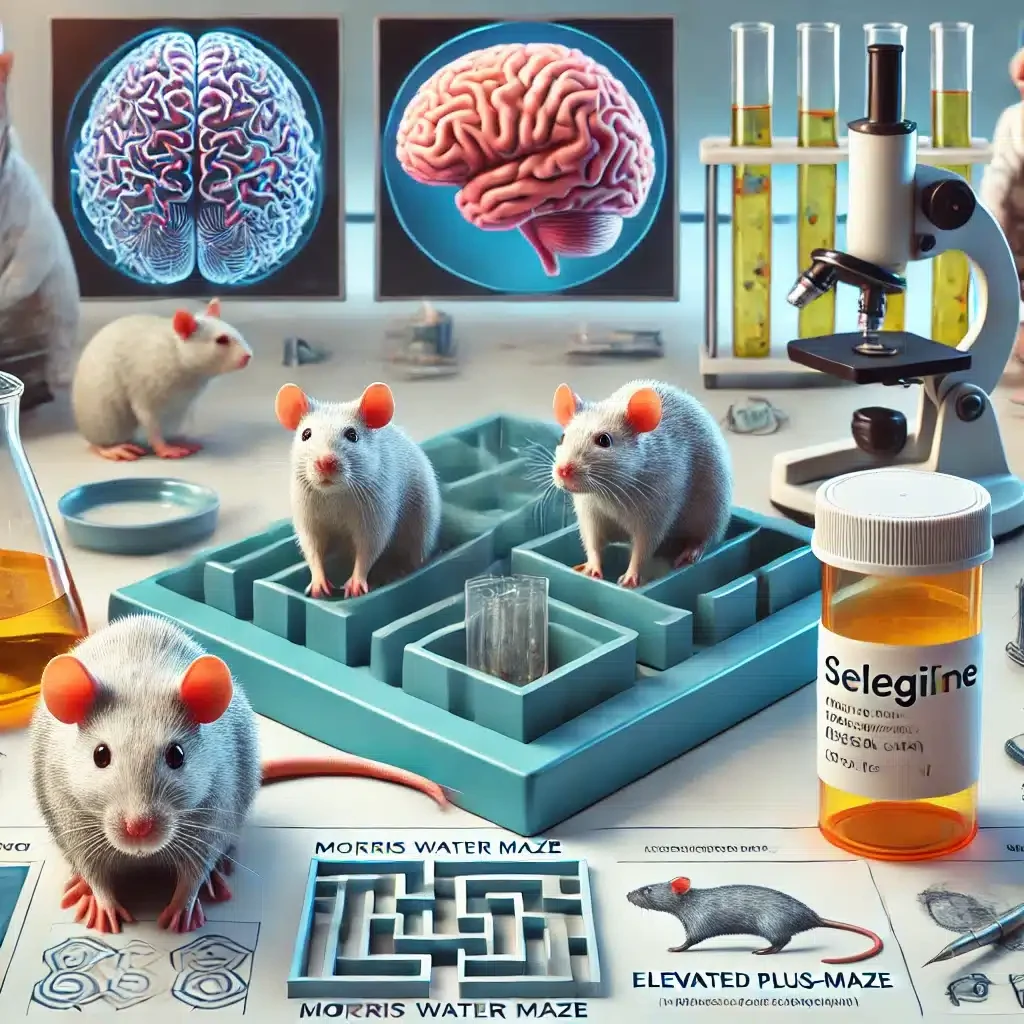
The study demonstrated that selegiline (SEL) improves memory performance, reduces anxiety, and modulates oxidative stress in an Alzheimer’s disease (AD) rat model. Highlights: Memory Improvements: SEL administration improved recognition memory, spatial memory,…
Read article ↗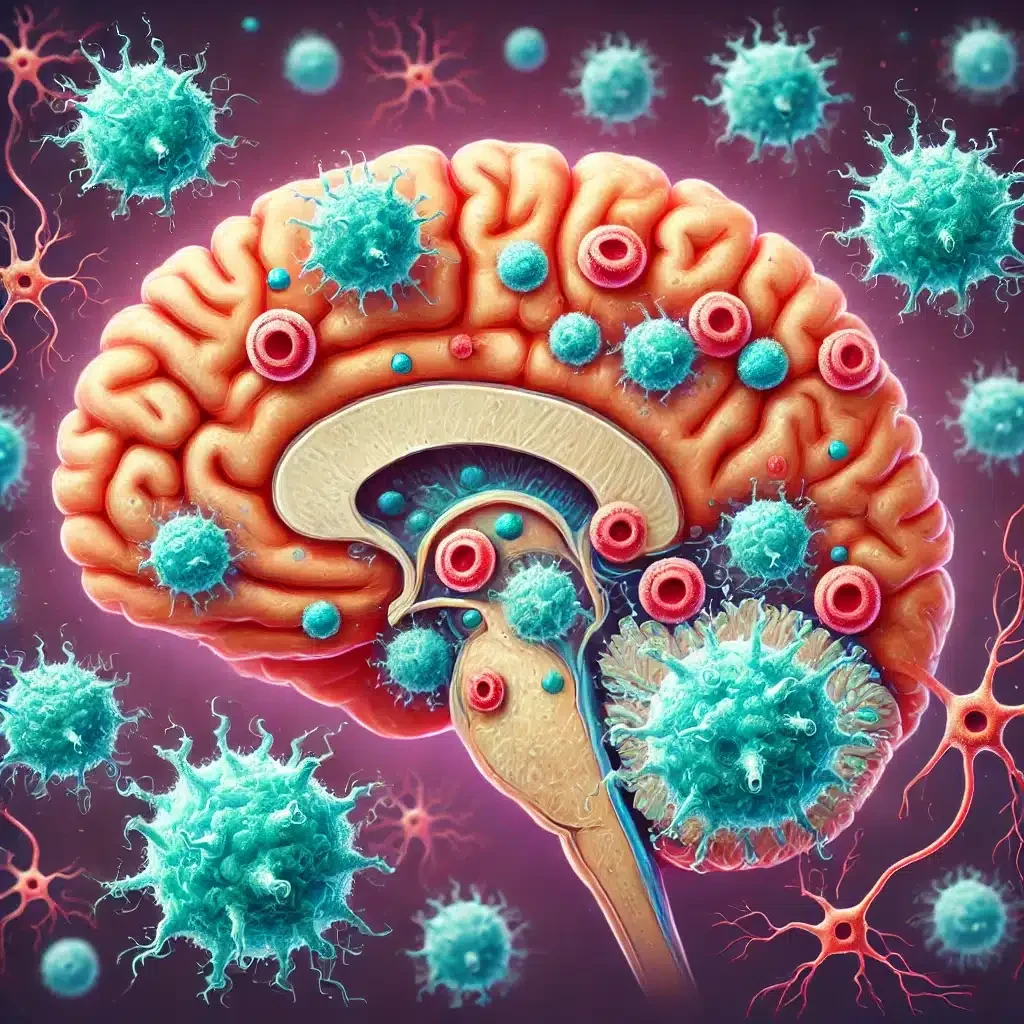
Lecanemab shows promise in treating Alzheimer’s disease by reducing clinical deterioration and amyloid-beta plaques, but it has significant adverse effects and requires further research for confirmation. Highlights: FDA Approval: The US FDA authorized lecanema…
Read article ↗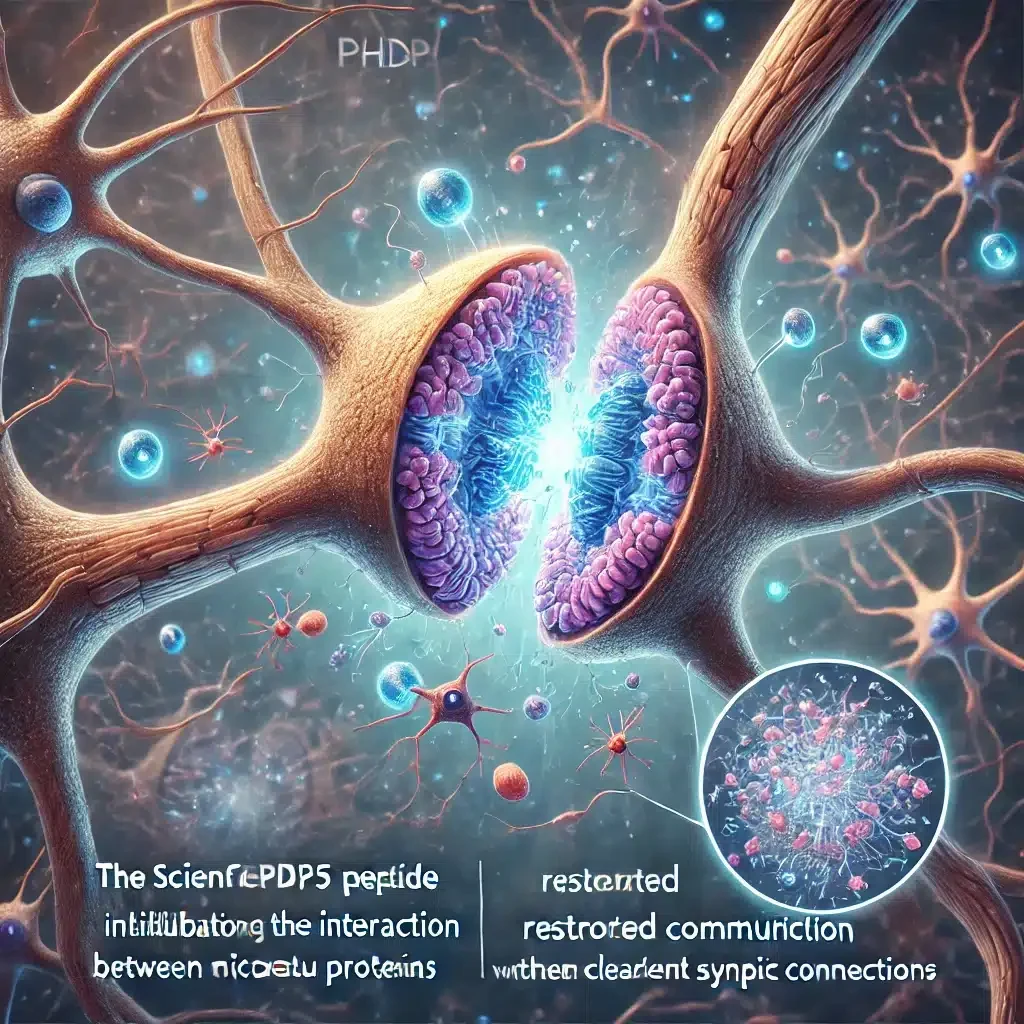
TLDR: Researchers demonstrated that intranasal administration of the peptide FITC-PHDP5-CPP reverses early cognitive impairment in Alzheimer’s disease (AD) model mice, showing potential as a treatment for AD-associated cognitive decline. Highlights: PHDP5, der…
Read article ↗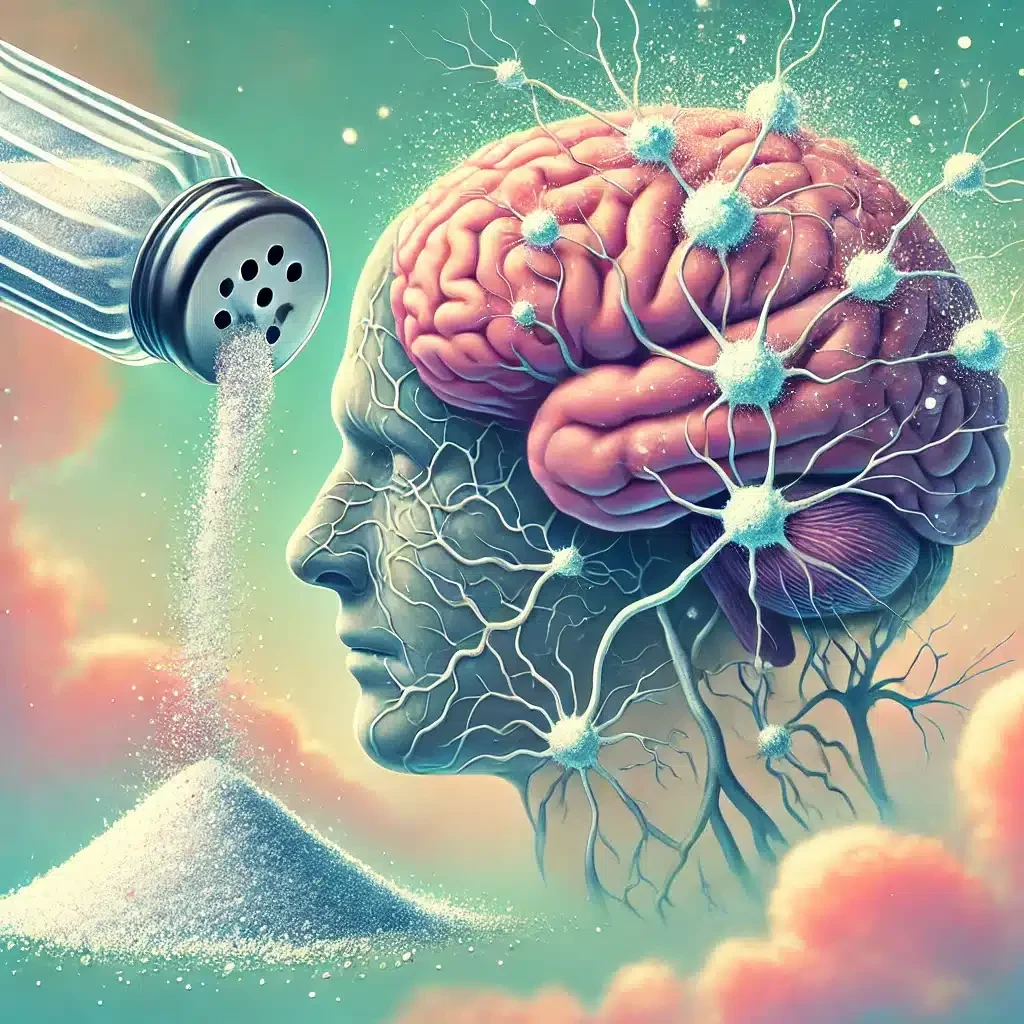
TLDR: This study provides evidence that high salt intake is causally associated with an increased risk of developing dementia, including Alzheimer’s disease (AD) and undefined dementia. Highlights: Causal Association: High salt intake is significantly associat…
Read article ↗
Alzheimer’s disease continues to destroy minds, but new gene editing techniques like CRISPR offer hope for better understanding and treating this devastating illness. Key Facts: Alzheimer’s disease is a complex, poorly understood neurodegenerative disorder aff…
Read article ↗
While male and female brains are far more alike than different, research over the past few decades has revealed some subtle but meaningful variations. These differences likely stem from a complex interplay of biological factors, experiences, societal influence…
Read article ↗
Our brains contain around 100 billion neurons communicating through an intricate web of connections. This complex circuitry controls everything we think, feel, and do. But sometimes things can go wrong, leading to neurological disorders like epilepsy, Parkinso…
Read article ↗